

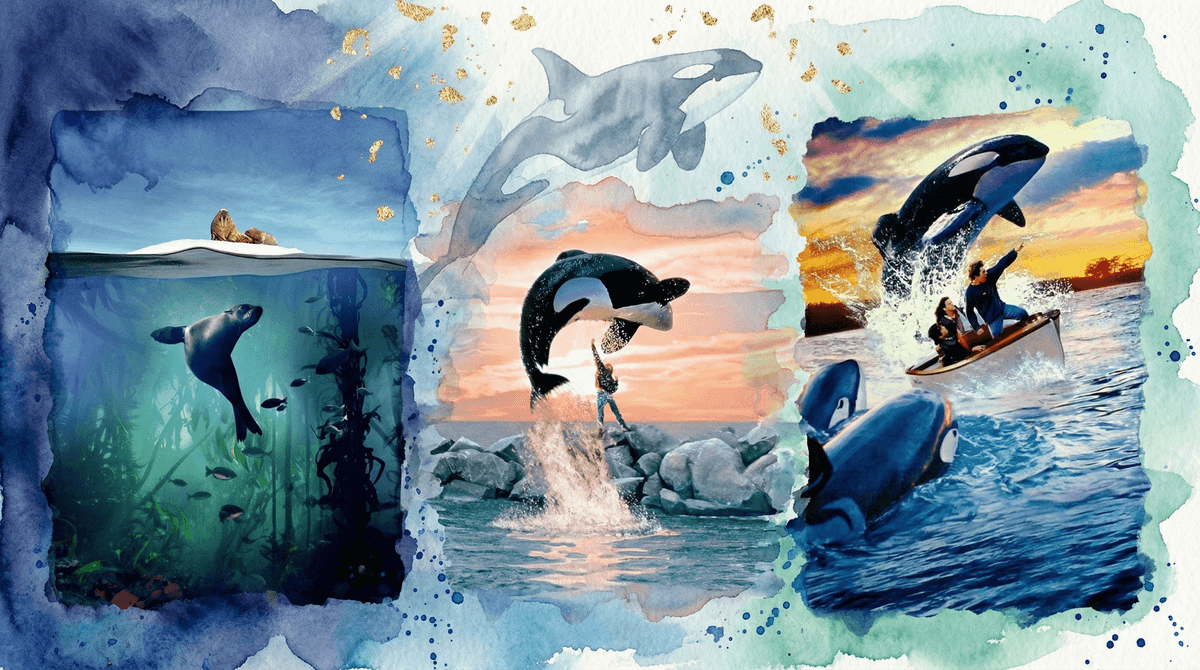
Okay, so your kid just discovered Free Willy and now they're obsessed with orcas, asking if you can adopt one, and maybe crying about captive animals at 8 PM on a school night.
Welcome to the club.
Free Willy is the 1993 family film that basically turned an entire generation into marine animal activists. The story follows Jesse, a troubled 12-year-old foster kid who forms an unlikely friendship with Willy, a captive orca at a struggling marine park. When Jesse discovers a plot to harm Willy for insurance money, he works to set the whale free.
The movie spawned three sequels (of varying quality, let's be honest), but the original remains a touchstone of '90s family cinema. It's also having a serious moment right now thanks to streaming platforms, nostalgic millennial parents showing it to their kids, and a broader cultural conversation about animal welfare and ocean conservation.
But here's the thing – while the movie itself is pretty straightforward, the conversations it opens up are anything but simple.
The Friendship Factor
Kids are drawn to the core relationship in this movie. Jesse and Willy are both trapped – literally and emotionally – and they help each other heal. It's a friendship story at its heart, which resonates with kids who sometimes feel misunderstood or out of place themselves.
The movie doesn't talk down to kids. Jesse deals with real stuff: abandonment, trust issues, finding where he belongs. Kids pick up on that authenticity.
The Underdog Story
There's something universally appealing about the idea of a kid taking on "the system" to do what's right. Jesse isn't a superhero or a genius – he's just a kid who cares enough to act. That's empowering for young viewers who often feel powerless in their own lives.
The Animal Connection
Let's be real: orcas are objectively cool. They're massive, intelligent, and honestly kind of intimidating. The movie lets kids feel connected to this wild, powerful creature in a way that's both thrilling and tender.
Plus, in an age where kids are growing up with David Attenborough documentaries and ocean content all over YouTube and TikTok, they're coming to Free Willy with more context about marine life than we did in the '90s. They know orcas are apex predators. They've probably seen viral videos of orca pods. This makes Willy's captivity hit even harder.
Ages 6-8: Proceed with Caution
The movie is rated PG, but it's got some genuinely intense moments.
What might be tough:
- Jesse's backstory involves abandonment and foster care
- There are scenes of Willy being mistreated (not graphic, but emotionally heavy)
- The climax involves real danger and suspense
- The "bad guys" are threatening in ways that might scare younger viewers
If you're watching with this age group:
- Be ready to pause and talk through emotions
- Sit with them – don't just put it on and walk away
- Have tissues ready (seriously)
- Maybe preview it yourself first if your kid is particularly sensitive
Ages 8-12: The Sweet Spot
This is really the target audience. Kids this age can handle the emotional complexity and are old enough to engage with the bigger themes about conservation, doing the right thing, and standing up for what you believe in.
They're also at an age where they're starting to question authority and think about justice in more nuanced ways. Free Willy can be a great conversation starter.
Ages 13+: Nostalgia and Critical Thinking
Teens might roll their eyes at first (it's definitely a product of its time), but many actually end up appreciating it. They can engage with it on a different level – thinking critically about the ethics of marine parks, the filmmaking choices, and how our understanding of animal welfare has evolved.
It can also be a bridge for talking about how we consume entertainment and whether we'd make the same movie today.
The Real Willy Story
Here's where it gets complicated, and your kids will ask about this.
The orca who played Willy was named Keiko, and his real-life story became intertwined with the movie's message. After Free Willy's success, there was a massive public campaign to free Keiko from his tank in Mexico City. He was eventually moved to Iceland and released into the wild in 2002, but he died just a year later.
How to talk about this:
Don't lie, but you can age-adjust the details. For younger kids: "The real whale did get to go to better places and eventually the ocean, but it's really hard for animals who lived in tanks for a long time to adjust to the wild."
For older kids, you can get into the nuance: Keiko's story shows us why it's so important to protect wild animals in the first place, because rehabilitation is incredibly difficult and doesn't always work.
The Marine Park Conversation
Your kids are probably going to ask if marine parks are bad.
And honestly? This is where you get to model nuanced thinking.
The landscape has changed. Many facilities have moved away from orca captivity. SeaWorld hasn't captured a wild orca since the '70s and ended their breeding program in 2016. But the conversation about whether marine mammals should be in captivity at all continues.
A balanced approach: "Some marine parks do important rescue and rehabilitation work for injured animals. But we've learned that keeping really intelligent animals like orcas in tanks isn't good for them. A lot of places have stopped doing that now because we know better."
This teaches kids that society's understanding can evolve, and that's actually a good thing.
The Emotional Intensity
Free Willy doesn't shy away from feelings. Jesse cries. The foster parents show vulnerability. There's grief and loss and hope all mixed together.
For some kids, this is cathartic and beautiful. For others, it might be overwhelming.
Watch for:
- Kids who seem extra clingy after watching
- Questions about their own family situation (especially if you're a foster or adoptive family)
- Fixation on the "sad parts"
- Nightmares or anxiety
None of this means the movie is bad for them – it just means they need some extra processing time with you.
Conversation Starters That Actually Work
Instead of: "What did you think?"
Try:
- "Which part made you feel the most feelings?"
- "If you were Jesse, what would you have done?"
- "Why do you think Willy trusted Jesse but not the other humans?"
- "What do you think happened after the movie ended?"
Connecting to Their World
For younger kids: "Remember how Willy needed space to swim and be free? That's kind of like how you need space to run around and play. All living things need the right environment to be healthy."
For middle schoolers: "The movie came out in 1993. What do you think is different about how we think about animals now versus then?"
For teens: "Do you think making this movie actually helped real orcas, or did it just make people feel good without changing much?"
When They Want to "Save All the Animals"
Your kid's newfound passion for marine conservation is beautiful. Encourage it, but also help them channel it productively.
Actionable ways to support their interest:
- Look up local aquariums with rescue programs you can visit or support
- Find age-appropriate documentaries (Blue Planet II is stunning)
- Check out organizations like Oceana or Ocean Conservancy that have kid-friendly resources
- Do a beach or river cleanup together
- Reduce plastic use as a family and explain why it matters for ocean animals
This transforms their emotional response into agency, which is so much healthier than just feeling sad and powerless.
Free Willy holds up as a family film, but it's not just entertainment – it's an emotional experience that will probably spark some big conversations.
And that's actually a good thing.
We're raising kids in a world where they're going to need to think critically about animal welfare, environmental responsibility, and how to stand up for what's right even when it's hard. Free Willy is a pretty gentle entry point into those conversations.
Is it perfect? No. The effects are dated, some plot points are a bit convenient, and it definitely simplifies some complex issues.
Is it worth watching with your kids? Absolutely.
Just go in with your eyes open, tissues ready, and be prepared for your kid to become an orca expert overnight.
Before you watch:
- Preview it yourself if your kid is under 8 or particularly sensitive
- Check in about what they already know about whales and marine animals
- Set expectations: "This movie has some sad parts, but also hopeful parts"
While watching:
- Keep the lights on if it's their first time
- Pause when needed – don't power through emotional moments
- Have water and snacks (emotional regulation is easier when blood sugar is stable)
After watching:
- Give them space to process before launching into discussion
- Follow their lead on what they want to talk about
- Don't dismiss their big feelings, even if they seem disproportionate to you
- Have a plan for channeling their newfound passion (see suggestions above)
If they want more:
- Check out the documentary