

How to Explain the News to Kids Without Scaring Them
Look, we're living in a time when your eight-year-old can accidentally swipe into a wildfire video on your phone, your middle schooler is getting breaking news alerts faster than you are, and everyone's talking about something at the lunch table. The days of controlling when and how kids learn about current events? Pretty much over.
But that doesn't mean we're helpless here. In fact, this is one of those parenting moments where being intentional actually makes a huge difference.
Kids are encountering news in fragments—a TikTok video, an overhead conversation, a meme they don't fully understand, a Roblox chat room discussion about something they heard at school. Without context, their brains fill in the gaps, and spoiler alert: kid brains are really good at imagining worst-case scenarios.
The research is pretty clear on this: kids who get age-appropriate information about scary events from trusted adults actually do better emotionally than kids who are either completely shielded OR who encounter news without any adult guidance. It's not about pretending everything is fine. It's about being the translator between "the world is complicated and sometimes hard" and "you are safe and we've got this."
Here's what I've learned works: answer the question they're actually asking, not the question you think they should be asking.
When a six-year-old asks "what's a hurricane?" they probably want to know what it is and if one is coming to your house. They do not need the full meteorological explanation plus climate change context plus every hurricane in recorded history.
Start with: "What have you heard?" or "What made you think about that?" This tells you what they already know (or think they know) and how worried they actually are.
Ages 4-7: Simple, Concrete, Reassuring
At this age, kids are egocentric thinkers. They want to know: Am I safe? Is my family safe? Is my dog safe?
- Keep it short and simple
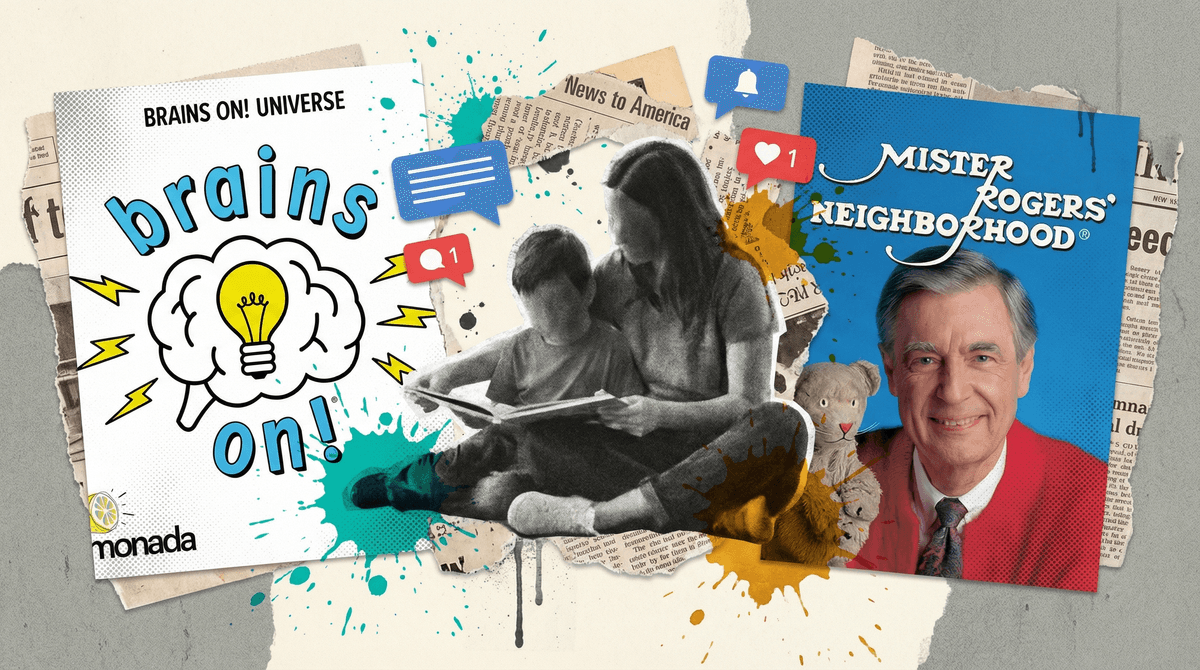
- Focus on helpers (yes, Mr. Rogers was right)
- Reassure about their immediate safety
- Don't volunteer information they're not asking about
- Limit their exposure to news images—their brains can't process that this happened far away
Example: "There was a big storm in another state. The people who live there are getting help from firefighters and doctors. We are safe here. Our house is safe."
Ages 8-11: More Context, Still Concrete
This age can handle more information and wants to understand cause and effect. They're starting to realize bad things happen to people who didn't do anything wrong, which is honestly a tough cognitive milestone.
- Provide basic facts without graphic details
- Explain what's being done to help
- Validate their feelings ("It makes sense that feels scary")
- Connect to their experience when possible
- Be honest but not overwhelming
Example: "Yes, there was a shooting at a school in another state. It's very rare, but it did happen and it's really sad. Our school has safety plans and drills, and lots of adults whose job is to keep you safe. It's okay to feel worried about this."
Ages 12+: Real Talk, Media Literacy, and Emotional Processing
Middle schoolers and teens are seeing everything you're seeing, often without context. They need you to be a processing partner, not a shield.
- Assume they've already seen headlines/videos/posts
- Ask what they've heard and what they think about it
- Help them evaluate sources ("Who posted this? What's their perspective?")
- Discuss media literacy—why some news is designed to make you feel a certain way
- Talk about what they can do (action helps anxiety)
- Admit when you don't have answers
Example: "Yeah, I saw that too. What are kids saying about it at school? ... That makes sense. Here's what I know about what actually happened... I'm still learning about this too. Want to find a way we could help together?"
DO:
- Use the word they're using (if they say "bad guy," you can say "bad guy")
- Admit when something is sad or scary or unfair
- Point out helpers and systems in place
- Give them something they can do (draw a picture, donate, write a letter)
- Check in again later ("Still thinking about what we talked about?")
DON'T:
- Say "don't worry" (they're already worrying)
- Provide graphic details they didn't ask for
- Leave the news on in the background constantly
- Assume they're not thinking about it just because they're not asking
- Make promises you can't keep ("Nothing bad will ever happen")
Here's the thing about news and kids in 2026: the delivery system matters as much as the content.
A news anchor explaining something is very different from a TikTok video with dramatic music and no context. A newspaper article you read together is different from a Twitter thread they stumble into. A podcast like Brains On! that explains current events for kids is different from cable news designed to keep adults anxious and watching.
If your kids are old enough to be on social media or have their own devices, you need to talk about how algorithms work. They need to understand that the most dramatic, emotional, scary content gets pushed to them because that's what keeps them scrolling—not because that's what's most important or most true.
This is actually a perfect opportunity to teach critical thinking:
- "Who made this video and why?"
- "What do they want you to feel?"
- "What information is missing?"
- "Is this from a reliable source?"
- "Is this designed to inform or to make you angry/scared?"
These are life skills that matter way beyond current events.
Sometimes kids need more than we can provide in kitchen table conversations. Watch for:
- Sleep disruptions that last more than a few days
- Persistent anxiety about their own safety
- Withdrawal from normal activities
- Repetitive play/talk about the scary event
- Physical symptoms (stomachaches, headaches)
If you're seeing these, loop in your pediatrician or a counselor. This isn't failure—it's recognizing when your kid needs a pro.
You cannot shield your kids from knowing that hard things happen in the world. But you can be the person who helps them make sense of it. You can be the calm, informed voice that says "this is scary AND you are safe." You can teach them to be critical consumers of information. You can model how to stay informed without staying terrified.
The goal isn't to raise kids who don't know about problems. It's to raise kids who can handle knowing about problems—who have the emotional tools and critical thinking skills to process difficult information without falling apart.
And honestly? That's one of the most important things we can teach them.
- Have a conversation about where your kids are getting news (you might be surprised)
- Set some boundaries around news consumption in your house (maybe not during dinner, maybe not right before bed)
- Find age-appropriate news sources you can engage with together
- Practice the "what have you heard?" opener next time something big is in the news
- Remember that you don't have to have all the answers—"I don't know, let's find out together" is a completely valid response
Want to talk through a specific situation? The Screenwise chatbot can help you think through how to approach a particular news event with your specific kid.