

Environmental movies for kids are films that weave climate themes, conservation messages, or ecological awareness into stories that actually hold a kid's attention. We're talking everything from animated classics like WALL-E to documentaries like My Octopus Teacher to live-action adventures that happen to have strong environmental undertones.
The best ones don't feel like a lecture disguised as entertainment. They're genuinely good stories that happen to make kids think about their relationship with the planet. The worst ones? Well, they're the cinematic equivalent of being trapped in a mandatory school assembly about recycling.
Here's the thing: kids are inheriting a climate crisis they didn't create, and pretending everything's fine isn't doing them any favors. But also? Doom-scrolling climate news or watching graphic documentaries about melting ice caps isn't developmentally appropriate for most kids either.
Environmental movies can hit that sweet spot between awareness and action. They can:
- Make abstract concepts like "ecosystem" or "carbon footprint" actually click
- Show kids that individual choices matter without making them feel paralyzed
- Spark conversations about values and responsibility
- Model problem-solving and hope instead of just fear
Plus, let's be real: if you're going to let your kid watch screens anyway, might as well pick content that does more than just keep them quiet for 90 minutes.
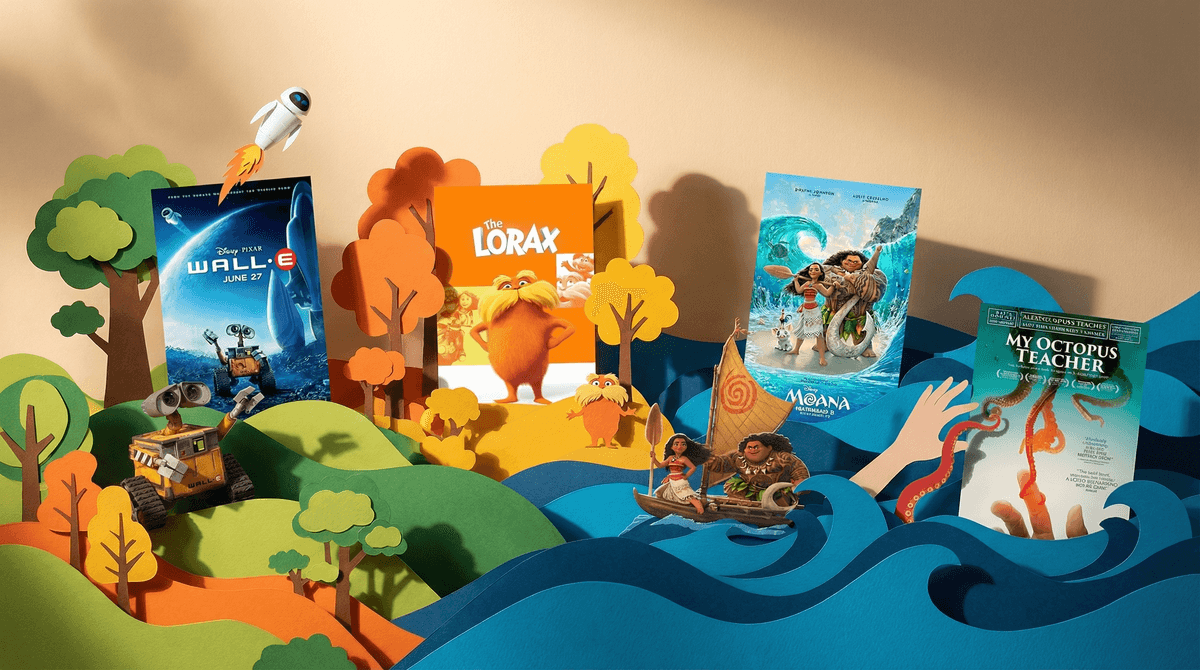
WALL-E (Ages 6+) This Pixar masterpiece shows a trash-compacting robot on an abandoned, garbage-covered Earth. It's simultaneously heartbreaking and hopeful, and kids don't even realize they're learning about overconsumption and waste until the message has already landed. Fair warning: the first 40 minutes have almost no dialogue, which either makes it a meditative masterpiece or a test of your kid's attention span.
The Lorax (Ages 5+) The 2012 animated version is colorful, funny, and gets the Dr. Seuss point across about corporate greed destroying nature. Yes, the irony of a movie about anti-consumerism being used to sell a million pieces of plastic merchandise was not lost on anyone. But the core message about speaking for the trees? Still lands.
FernGully: The Last Rainforest (Ages 6+) This 1992 film is aggressively '90s in the best way. It's about fairies trying to save their rainforest home from logging. The animation doesn't hold up perfectly, but the environmental message is crystal clear without being preachy. Plus, Tim Curry voices the villain (toxic sludge personified), and he's having the time of his life.
Moana (Ages 5+) While not explicitly about climate change, Moana deals with environmental degradation, respect for nature, and the interconnectedness of ecosystems. The ocean is literally a character. Plus, the songs absolutely slap, which means your kids will be singing about environmental stewardship for weeks.
Raya and the Last Dragon (Ages 7+) This Disney film tackles water scarcity, environmental collapse, and community cooperation. It's set in a fantasy world inspired by Southeast Asian cultures, and while it's not perfect, it does show how environmental disasters affect everyone and require collective action.
My Octopus Teacher (Ages 10+) This Netflix documentary is stunning and surprisingly emotional. It's about a filmmaker who forms a relationship with an octopus in a South African kelp forest. It's more about connection to nature than explicit environmental messaging, but it makes kids (and adults) care deeply about ocean ecosystems. Some younger kids might find the predator scenes intense.
Captain Planet and the Planeteers (Ages 6+) Look, the heart was in the right place in the '90s. But rewatching it now? It's so heavy-handed it's almost parody. The villains are literally named things like "Hoggish Greedly" and "Duke Nukem" (the pollution guy, not the video game). If your kid enjoys campy retro content, go for it. Otherwise, there are better options.
Over the Hedge (Ages 6+) It's fine. It's about animals whose forest habitat is destroyed by suburban sprawl. But it's more focused on slapstick humor than environmental themes, and the messaging gets muddled. Not bad, just not particularly impactful.
Ages 4-6: Stick with lighter animated films that show nature as beautiful and worth protecting. The Lorax, Moana, and even Finding Nemo (which has themes about ocean ecosystems and human impact) work well.
Ages 7-10: They can handle more complex narratives about environmental challenges. WALL-E, Raya and the Last Dragon, and The Croods (about adaptation and survival) are good picks.
Ages 11+: Ready for documentaries and more serious content. My Octopus Teacher, Chasing Coral, and even Don't Look Up (though that's PG-13 and more satire than kids' content) can spark meaningful conversations.
Watching a movie together is step one. Having a conversation afterward is where the magic happens. Here's how to make it count without turning it into a lecture:
Ask open-ended questions: "What did you notice about how the characters treated nature?" or "What would you do differently if you were in that situation?"
Connect to real life: "Remember how WALL-E showed all that trash? Where does our trash go?" Then maybe look up your local waste management together or start a composting project.
Focus on action, not guilt: Instead of "Isn't it terrible what we're doing to the planet?" try "What's one thing we could do this week to help?"
Follow their lead: If they're fired up about ocean plastic after Finding Nemo, help them research ocean conservation. If they're obsessed with the forest in FernGully, maybe plan a nature hike or tree-planting activity.
Environmental movies for kids aren't going to solve climate change. But they can help raise a generation that actually gives a damn about the planet and believes they can make a difference.
The best environmental movies are the ones your kids will actually watch and remember. If that's WALL-E on repeat for the fifth time, great. If it's a nature documentary that makes them want to become a marine biologist, even better.
Just don't expect one movie to do all the work. These films are conversation starters, not substitutes for actual environmental education and action. But paired with real-world experiences and ongoing dialogue? They can be surprisingly powerful.
- Check out our guide to educational shows that don't feel like homework
- Looking for more screen-free ways to explore nature? Here are outdoor activities that actually engage kids

- Want to talk about climate change with kids without freaking them out? Let's dig into age-appropriate climate conversations