

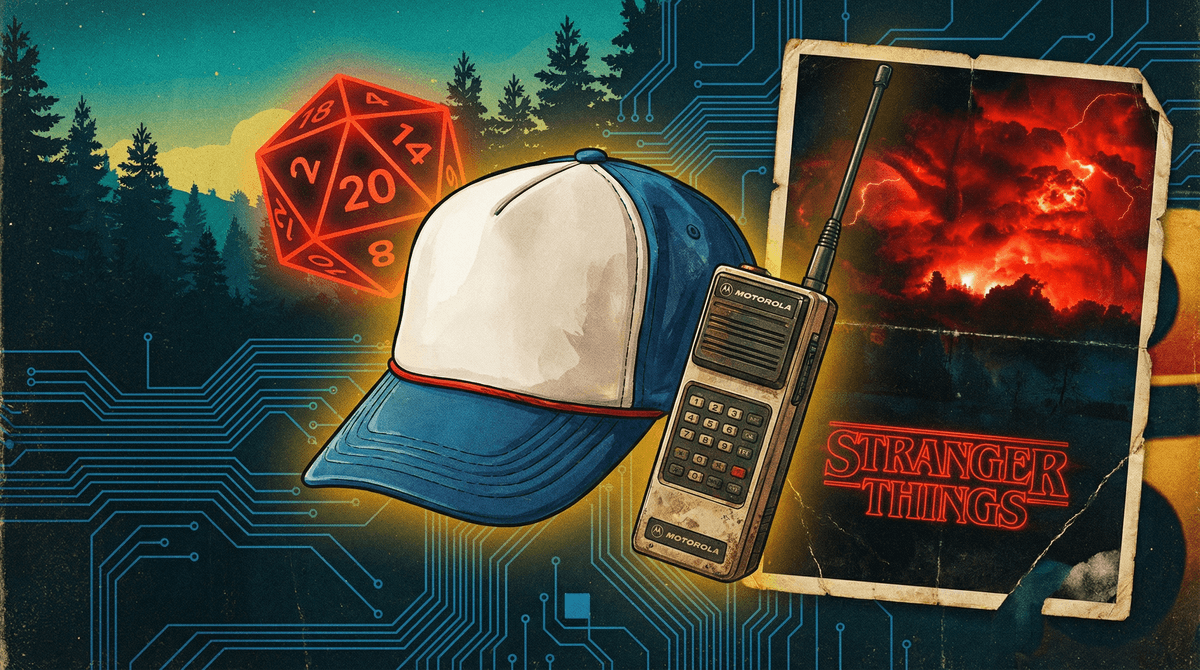
Dustin from Stranger Things: A Parent's Character Guide
Dustin Henderson is the heart of Stranger Things — the nerdy, loyal friend with a gap-toothed smile who balances genuine vulnerability with comic relief. He's beloved by kids (and adults) because he's unapologetically himself, celebrates his interests without shame, and models what healthy friendship looks like. If your kid is watching Stranger Things, Dustin is probably their favorite, and that's actually a great conversation starter about authenticity, loyalty, and handling social dynamics.
Quick context: Dustin appears throughout all seasons of Stranger Things (TV-14, Netflix). The show itself has significant horror elements, violence, and mature themes — read our full Stranger Things parent guide for age-appropriate viewing considerations.
Dustin (played by Gaten Matarazzo) is one of the core four kids in Stranger Things, alongside Mike, Will, and Lucas. He's the friend who brings snacks, knows random science facts, and never gives up on the people he cares about — even when they're possessed by interdimensional monsters or dating people he doesn't trust.
What makes Dustin stand out:
- He has cleidocranial dysplasia (a real condition Gaten Matarazzo has), which affects his teeth and bone development. The show never makes this a plot point or a joke at his expense — it's just part of who he is.
- He's the emotional glue of the friend group, often mediating conflicts and keeping everyone connected
- He's a total nerd about science, technology, and Dungeons & Dragons, and the show celebrates this rather than mocking it
- He has the best character growth across seasons, developing real confidence while staying fundamentally kind
After talking to countless parents whose kids are obsessed with Stranger Things, Dustin consistently emerges as the favorite character, especially for middle schoolers. Here's why he resonates:
He's funny without being mean. Dustin gets tons of the show's best comedic moments — his "Steve! Dingus!" scene, his Camp Know Where stories, his dramatic retelling of basically anything — but his humor never comes at someone else's expense. He's goofy, not cruel.
He's loyal to a fault. When the group fractures (which happens constantly), Dustin is the one trying to keep everyone together. He's ride-or-die for his friends, even when they're being idiots. Kids recognize this as the kind of friend they want to be and want to have.
He celebrates his interests openly. Dustin never apologizes for loving science, radio communication, or D&D. In a show set in the 1980s when being a "nerd" was social suicide, Dustin owns it. For kids navigating their own social hierarchies and wondering if they should hide their interests, this is powerful modeling.
He has genuine confidence that isn't arrogance. By Season 3, Dustin has a girlfriend (Suzie) who shares his interests, and he's not shy about being excited about it. He's not the "cool kid," but he's comfortable with who he is. That's the kind of confidence that actually matters.
His friendship with Steve is everything. The unlikely bromance between Dustin and Steve Harrington is one of the show's best relationships. Steve becomes the older brother figure Dustin needs, and Dustin brings out Steve's better qualities. It's a model of male friendship that's affectionate, supportive, and emotionally available — pretty rare in media aimed at this age group.
Dustin is genuinely a positive role model — which is worth noting because Stranger Things has plenty of characters who... aren't. If your kid is gravitating toward Dustin, that's a green flag. He consistently chooses kindness, values his friendships, respects boundaries (mostly), and uses his brain to solve problems.
The show handles his physical difference well. Dustin's cleidocranial dysplasia is visible but never becomes a "very special episode" topic or a source of bullying in the show. The Duffer Brothers (the show's creators) worked with Gaten to incorporate his real condition naturally. It's actually solid representation — a character with a visible difference who's defined by his personality and actions, not his disability.
His storylines get darker as the show progresses. While Dustin starts as comic relief in Season 1, by Season 4 he's dealing with genuine trauma, loss, and moral complexity. The show doesn't shy away from the psychological impact of repeatedly facing life-or-death situations. If your younger teen is watching, Dustin's emotional journey in later seasons is worth discussing.
The Suzie relationship is actually pretty healthy. When Dustin returns from camp in Season 3 claiming he has a girlfriend, his friends don't believe him (which, ouch). But Suzie is real, she's smart, and she genuinely likes Dustin for who he is. Their dynamic is dorky and sweet — they sing a duet from The NeverEnding Story over ham radio while the world is ending, and it's somehow both hilarious and touching. It's a nice counter-narrative to the "hot girlfriend" trope.
He models asking for help. Dustin consistently reaches out when he's in over his head — to Steve, to the group, to his mom. He doesn't try to lone-wolf everything, which is a surprisingly mature trait for a teen character.
If your kid loves Dustin, here are some natural ways to dig into what resonates:
"What makes Dustin different from the other characters?" This can open up conversations about personality types, friendship dynamics, and what qualities they value in people.
"Why do you think Dustin and Steve became such good friends?" This gets at unlikely friendships, how people can surprise you, and what makes a friendship work across different social circles or age groups.
"How do you think Dustin changed from Season 1 to Season 4?" Character development is a great entry point for discussing growth, resilience, and how experiences shape us.
"What would you do if you were in Dustin's situation with [specific plot point]?" Stranger Things puts characters in constant moral dilemmas. Using Dustin as a stand-in lets you explore ethics and decision-making without making it about your kid directly.
"Do you have friends like Dustin? Are you a friend like Dustin?" This can lead to genuinely interesting conversations about what kind of friend they want to be and what they value in their own relationships.
Gaten Matarazzo has been open about his cleidocranial dysplasia and how Stranger Things gave him a platform to raise awareness. For kids who have visible differences, chronic conditions, or disabilities, seeing Dustin just... exist as a fully realized character without his condition being his entire personality is meaningful.
The show never does a "Dustin learns to accept himself" arc because Dustin already accepts himself. He's not self-conscious about his teeth or his appearance. He's confident in his intelligence and his friendships. That's the representation part that matters — not making a big deal about difference, just letting the character be complex and valued.
If your kid has a visible difference or knows someone who does, Dustin can be a great conversation starter about representation, acceptance, and how media shapes what we think of as "normal."
Quick reminder: Stranger Things is rated TV-14, but that rating doesn't capture the full picture. The show has:
- Significant horror elements and jump scares
- Graphic violence and body horror (especially in later seasons)
- Character deaths that are genuinely traumatic
- Mature themes including government conspiracy, trauma, and loss
- Some language and brief sexual content
Most parents find Stranger Things appropriate for ages 13+, but it really depends on your individual kid's sensitivity to horror and violence. Dustin's storylines specifically aren't the concern — it's the overall show content. Check out our detailed Stranger Things age guide for more specifics.
If you have a younger kid who's heard about Dustin and wants to watch, consider:
- Watching together so you can gauge their reactions and pause for discussions
- Starting with Season 1, which is significantly less intense than later seasons
- Previewing episodes if you're unsure about specific content
- Offering alternatives like The Mysterious Benedict Society or A Series of Unfortunate Events that have similar friend-group dynamics without the horror
Dustin Henderson is the kind of character you want your kid to love. He's smart, loyal, kind, and unapologetically himself. He models healthy friendships, emotional intelligence, and genuine confidence that isn't based on being the coolest or the strongest.
If your kid is watching Stranger Things and gravitating toward Dustin, lean into that. Ask what they like about him, what they'd do differently, how they see themselves in his choices. Use his character as a jumping-off point for conversations about friendship, loyalty, authenticity, and handling difficult situations.
And if they start randomly singing "Turn around, look at what you see..." at dinner, just know that's a Dustin thing, and it means they're paying attention to the good stuff.
Want to dive deeper? Explore our full Stranger Things parent guide or ask our chatbot specific questions about character dynamics and themes .
.