

Let's cut to the chase: yes, junk food advertising influences what kids eat, and yes, it's affecting their health. But before you panic-delete every app and throw the TV out the window, let's talk about what's actually happening and what you can realistically do about it.
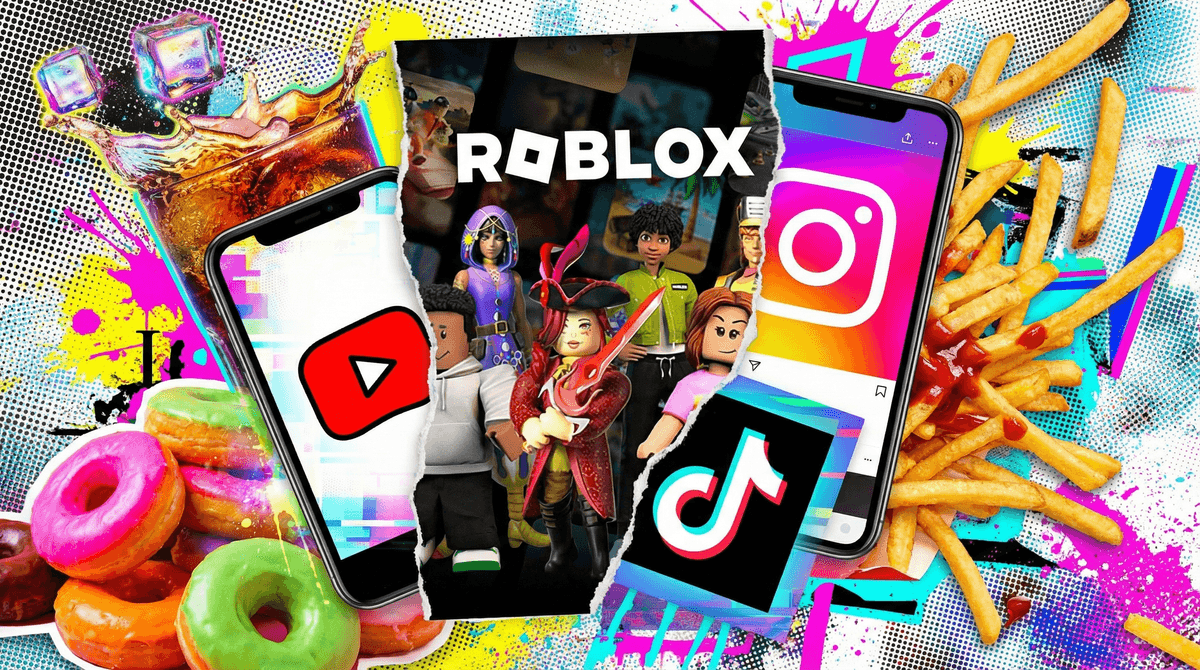
The average kid sees thousands of food ads every year. And here's the kicker — about 80% of those ads are for highly processed foods: sugary cereals, fast food, candy, soda, and snacks engineered in labs to be as addictive as possible. These aren't just TV commercials anymore (though those still exist). They're embedded in YouTube videos, TikTok challenges, Roblox games, Instagram stories, and even in the apps your kids use for homework.
The research is pretty clear here, and it's not great news. Kids who see more junk food advertising:
- Request those specific brands more often (obviously)
- Consume more calories overall
- Show preferences for unhealthy foods even when healthier options are available
- Are more likely to be overweight or obese
A major study published in 2023 found that every additional hour of screen time correlates with exposure to about 7-10 food ads, and most of those are for products that nutritionists would put in the "sometimes food" category at best.
But here's what makes this tricky: it's not just about the ads themselves. It's about how sophisticated they've become. Food companies spend billions figuring out how to make their products irresistible to kids, and they're really good at it.
Remember when ads were just... ads? A 30-second spot during Saturday morning cartoons? Yeah, those were simpler times.
Now we've got:
Influencer marketing: Kids' favorite YouTubers doing "challenges" with branded snacks, often without clear disclosure that it's an ad. Your 10-year-old isn't watching a commercial — they're watching their parasocial best friend enthusiastically eat Takis.
In-game advertising: Roblox has virtual Chipotle restaurants. Fortnite has done promotions with Wendy's. These aren't interruptions to the content — they ARE the content.
Algorithm-driven targeting: TikTok and Instagram know your kid better than you do (sorry). They serve up food content based on engagement patterns, creating feedback loops of craving and consumption.
"Educational" content: Cooking channels and food science videos that just happen to feature specific brands. It's content marketing disguised as entertainment or education.
The sneakiest part? Kids don't recognize most of this as advertising. A 2022 study found that only 35% of kids ages 8-12 could identify sponsored content as advertising, even when it was labeled.
Let's talk numbers for a second. Childhood obesity rates have tripled since the 1970s. About 1 in 5 kids in the US is now considered obese. Obviously, food advertising isn't the only factor — there's socioeconomic status, food access, activity levels, genetics, and a million other variables. But research consistently shows that advertising exposure is a significant contributor.
And it's not just about weight. Kids who consume more ultra-processed foods (the kind most heavily advertised) show:
- Higher rates of ADHD and behavioral issues
- More dental problems
- Increased risk of developing type 2 diabetes
- Worse sleep quality
- Lower academic performance
The food itself is part of the problem, but so is the way these foods are marketed to create emotional connections. Fast food isn't just food — it's happiness, friendship, success, coolness. That's powerful messaging for a developing brain.
Okay, so what now? You can't exactly ban your kid from seeing ads (unless you're going full off-grid, which... respect if you are, but that's not realistic for most families).
Build ad literacy early: Talk about advertising explicitly. Point it out when you see it. "Oh look, this YouTuber is being paid to eat those chips. Let's think about why the company wants you to see this." Make it a game to spot product placement in videos and games.
Set some ground rules: Consider limiting exposure to the most ad-heavy platforms for younger kids. YouTube Kids has some parental controls, but YouTube vs. YouTube Kids is worth understanding deeply. Ad-free subscriptions (YouTube Premium, Disney+, etc.) aren't just about convenience — they're genuinely reducing exposure.
Don't make it forbidden fruit: The worst thing you can do is create a situation where junk food becomes this magical forbidden thing that kids binge on whenever they get the chance. Learn more about the psychology of food restriction .
.
Control what you can control: You decide what's in your house. You decide what gets bought at the grocery store. Kids can't eat what isn't there. This isn't about being the food police — it's about making the default options healthier.
Talk about how advertising works: Explain that companies pay a LOT of money to make unhealthy food seem cool and fun. Discuss how that Mr. Beast Feastables bar is... just a candy bar with branding. The packaging is marketing genius, but it's still candy.
Watch and play together: Co-viewing and co-playing gives you opportunities to discuss what you're seeing in real-time. "Why do you think they put a Subway restaurant in this Roblox game?" These conversations build critical thinking skills.
Yes, junk food advertising makes kids unhealthy. The research is clear, the mechanisms are understood, and the impact is measurable. But you're not powerless here.
The goal isn't to raise kids in a bubble where they never see an ad or eat a Dorito. The goal is to raise kids who understand that they're being marketed to, who can think critically about what they're seeing, and who have a generally healthy relationship with food.
Some kids will see a million ads and still prefer carrots. Some kids will have minimal exposure and still want nothing but chicken nuggets. Every kid is different, and there's no perfect formula.
But awareness is the first step. Now you know what you're dealing with, and you can make informed decisions about screen time, platform access, and family food culture that make sense for YOUR family.
Want to dig deeper? Check out how to talk to kids about advertising or explore screen time guidelines by age.
And if you're wondering whether specific apps or games are heavy on food advertising, that's exactly what Screenwise helps you figure out — with personalized guidance based on your family's actual digital habits and your community context.