

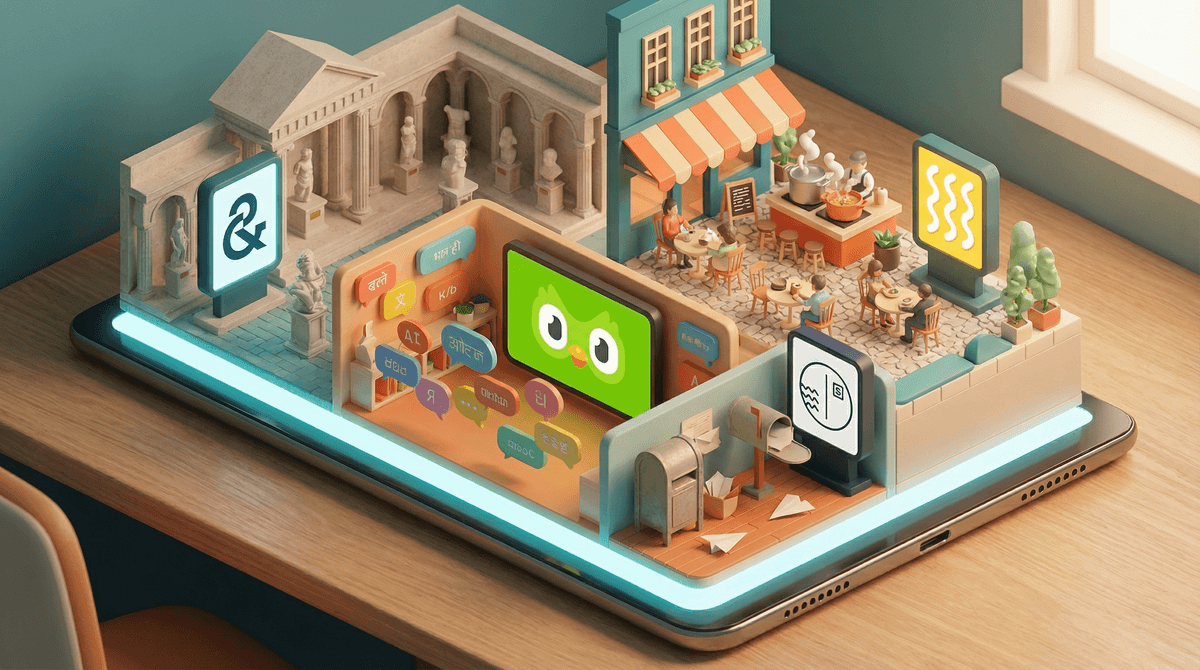
Look, I get it. When you hand your kid a screen, you want it to be doing something good for them. And honestly? There's a whole category of apps that can actually expand their worldview without feeling like homework.
Cultural appreciation apps are basically any digital tools that help kids explore languages, traditions, art, history, and perspectives from around the world. We're talking language learning apps like Duolingo, virtual museum tours, global pen pal platforms, cooking apps that teach recipes from different cultures, and even games that immerse kids in different historical periods or geographic regions.
The best part? Kids don't even realize they're learning. They're just collecting streaks, unlocking levels, or chatting with a kid in Japan about their favorite anime.
We live in a hyper-connected world where your kid will probably work with people from six different countries, date someone who celebrates different holidays, and need to understand perspectives that aren't just "what everyone in our town thinks."
But here's the thing: exposure matters. Kids who engage with different cultures early develop empathy, curiosity, and critical thinking skills that go way beyond just knowing how to say "hello" in five languages. They start to understand that their way of doing things isn't the only way—it's just one way.
And honestly? In a digital landscape full of brain-numbing content and algorithm-driven echo chambers, apps that actively broaden perspective are kind of a miracle.
Language Learning (Ages 7+)
Duolingo is the obvious heavyweight here. The gamification actually works—kids get obsessed with maintaining their streak, and before you know it, they're genuinely picking up Spanish or French. The app is free (with ads) or about $7/month for the ad-free version. Ages 7+ can handle it, though younger kids might need help navigating at first.
Mondly Kids is designed specifically for ages 5-12 and uses voice recognition and AR to make language learning feel like play. It's more polished and kid-friendly than Duolingo, but it's also a paid subscription (around $10/month).
Virtual Museums & History (Ages 8+)
Google Arts & Culture is shockingly good. Kids can take virtual tours of the Louvre, zoom in on Van Gogh brushstrokes, or explore ancient Egyptian artifacts. The "Art Selfie" feature that matches your face to famous paintings is a fun entry point for reluctant explorers. Free, no ads, genuinely educational. Ages 8+ will get the most out of it.
Global Connection (Ages 10+)
Slowly is a pen pal app that mimics old-school letter writing—messages take hours or days to "arrive" based on geographic distance. It's designed to slow down communication and encourage thoughtful conversation. Ages 10+ with parent supervision. You'll want to review their profile and monitor early messages, but it's far safer than most social platforms.
HelloTalk connects language learners globally for text, voice, and video chat. It's more of a teen app (13+) and requires active parent involvement because you're talking to strangers. But for a high schooler serious about language learning? It's gold.
Cooking & Food Culture (Ages 6+)
Toca Kitchen (ages 4-8) and Cooking Mama (ages 6+) introduce kids to food from different cultures in a playful way. For older kids (10+), Kitchen Stories has actual recipes from around the world with video tutorials they can follow in your real kitchen.
Ages 5-7: Stick with highly visual, game-like apps with no social features. Mondly Kids and Toca Kitchen are your best bets.
Ages 8-10: They can handle more complex exploration like Google Arts & Culture and Duolingo. Still no unsupervised social interaction.
Ages 11-13: This is when apps like Slowly make sense—with your involvement. Set up the account together, review messages together initially, and have ongoing conversations about online safety.
Ages 14+: Teens can probably handle HelloTalk with periodic check-ins. They're old enough to understand the risks and rewards of global connection, but you still want to maintain awareness.
The subscription trap is real. Most of these apps have free versions that are fine, but they'll constantly nudge kids toward premium features. Set expectations upfront about what you're willing to pay for.
Language learning apps are great supplements, not replacements. If your kid is serious about learning a language, they'll need real conversation practice, not just app streaks. Think of these as vocabulary builders and motivation tools.
Social features require vigilance. Any app that connects your kid with strangers needs active parent involvement, especially for kids under 13. Learn more about social app safety .
.
Cultural appreciation vs. appropriation matters. As kids explore different cultures digitally, have real conversations about respect, context, and the difference between appreciation and appropriation. A cooking app teaching them to make dumplings is great; wearing a "costume" of someone's culture for laughs is not.
Not all screen time is created equal. Cultural appreciation apps can genuinely broaden your kid's worldview, build empathy, and spark curiosity about the wider world—all things we desperately want for them.
The key is intentionality. Don't just hand them a phone with Duolingo and walk away. Talk about what they're learning. Ask them to teach you a phrase. Look at museum exhibits together. Use these apps as conversation starters, not conversation enders.
And yeah, it's still screen time. But if your kid is going to be on a device anyway (and let's be real, they are), pointing them toward apps that expand rather than narrow their perspective? That's a win.
Start small. Pick one app that matches your kid's interests—art, language, cooking, whatever. Download it together and explore it as a family activity first.
Set a cultural learning goal. Maybe it's learning 50 words in a new language, virtually visiting 10 museums, or cooking one recipe from a different country each month. Make it concrete and celebratory.
Connect digital to real. If they're learning Spanish on Duolingo, find a local Mexican restaurant and practice ordering. If they're exploring Japanese art on Google Arts & Culture, check out a local exhibit or cultural festival.
Want more ideas for educational apps that don't feel like school? Check out our guide to learning apps that kids actually want to use.