

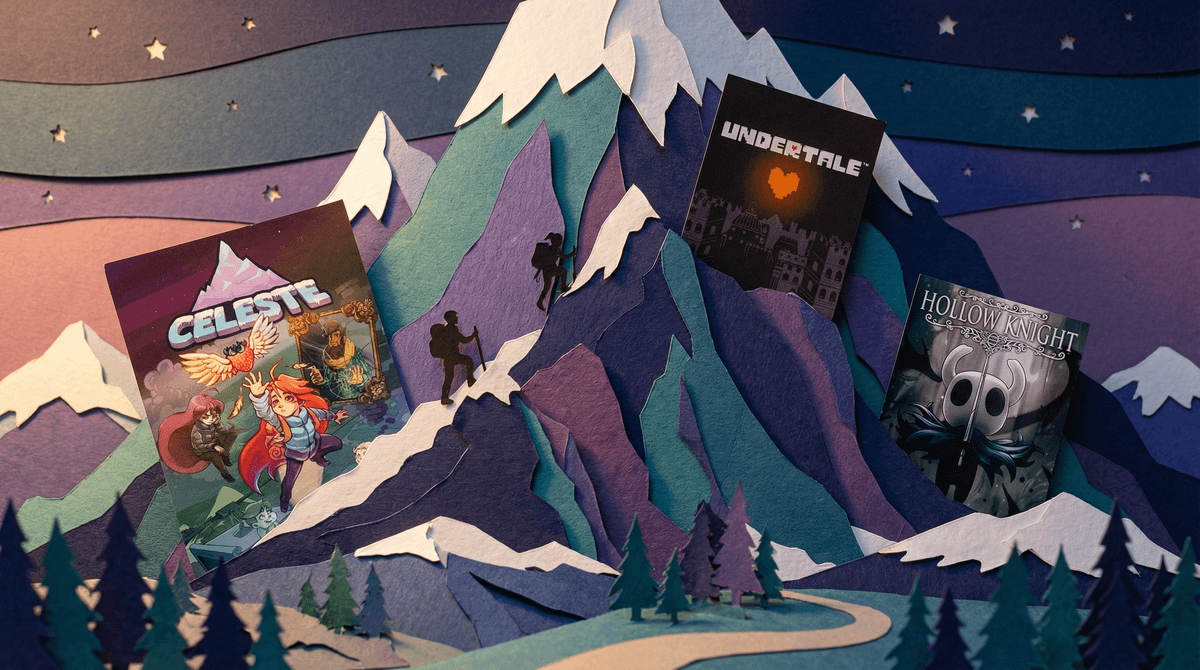
Celeste is a 2D platformer game that came out in 2018 and has quietly become one of those indie games that parents, teachers, and therapists actually recommend. Yes, you read that right—therapists.
The game follows a young woman named Madeline as she attempts to climb Celeste Mountain. It's brutally difficult in the way that Super Mario Bros was back in the day, requiring precise timing and hundreds of attempts to master each level. But here's what makes it different: the entire game is a metaphor for dealing with anxiety and depression.
As Madeline climbs, she literally confronts a dark version of herself (called "Part of Me" or "Badeline") that represents her negative self-talk, panic attacks, and self-doubt. The game doesn't shy away from mental health themes—it puts them front and center in a way that feels genuine rather than preachy.
The pixel art style is gorgeous, the soundtrack is incredible, and it's available on pretty much every platform: Nintendo Switch, PlayStation, Xbox, and PC. It costs around $20, with no in-app purchases or ongoing costs.
It's hard, but fair. Unlike games that feel impossible due to bad design, Celeste gives you all the tools you need from the start. When you fail (and you will fail, a lot), it's immediately clear what you could have done differently. The game even shows your death count—some levels might take 100+ attempts, and that's completely normal.
The story actually matters. Most platformers have throwaway plots, but Celeste's narrative about struggling with mental health, learning to be kind to yourself, and accepting help from others resonates deeply. Kids who've experienced anxiety often say "that's exactly what it feels like" when Madeline has a panic attack in Chapter 2.
It teaches real perseverance. Not the toxic "just push through" kind, but the healthy "try again, ask for help, adjust your approach" kind. The game literally has Madeline learning to work with her anxiety rather than against it.
Assist Mode exists. This is huge. If the difficulty becomes frustrating rather than challenging, players can turn on Assist Mode to adjust game speed, add extra dashes, or even become invincible. The game explicitly tells you this doesn't make you a "cheater"—it makes the game accessible.
Ages 10+ is the sweet spot, though it really depends on two factors: gaming skill level and emotional maturity.
For gaming skill: If your kid has played platformers like Super Mario Odyssey or Hollow Knight, they'll understand the mechanics. If they're newer to gaming, Assist Mode makes it totally doable. The game is rated E10+ by the ESRB.
For emotional maturity: The mental health themes are handled beautifully, but they're real. There's a panic attack scene that some kids might find intense. If your child has their own anxiety, this could be either incredibly validating or potentially triggering—you know your kid best. Consider having a conversation about it first .
.
The difficulty can be genuinely frustrating. Some kids thrive on challenge; others will want to throw the controller. Watch for signs that the game is creating stress rather than teaching stress management.
The mental health representation is actually good. The game was created by Maddy Thorson, who drew from personal experiences with anxiety and gender identity (Madeline is later confirmed to be transgender, though this isn't explicit in the main game). Mental health professionals have praised how the game depicts panic attacks, negative self-talk, and the importance of self-compassion.
It's genuinely difficult. We're talking "die 50 times on one screen" difficult. But here's the thing: the game respawns you instantly with zero penalty. Death isn't failure—it's part of learning. That said, some kids will find this frustrating rather than fun, and that's okay.
There's no multiplayer, no chat, no online component. From a safety perspective, this is as low-risk as games get. It's a single-player experience, period.
The post-game content is HARD. After completing the main story, there are optional B-side and C-side levels that are exponentially more difficult. Most kids (and adults) won't complete these, and that's totally fine. The main story is where the meaningful content lives.
It might spark important conversations. Don't be surprised if your kid wants to talk about anxiety, depression, or asking for help after playing. The game explicitly models healthy coping strategies—Madeline learns to breathe through panic attacks, accepts help from friends, and realizes that her "dark side" isn't something to defeat but to understand.
Celeste is one of those rare games that's both genuinely challenging as a platformer and emotionally intelligent as a story. It's not trying to be educational in that heavy-handed way—it's just a really good game that happens to have something meaningful to say about mental health.
If your kid loves difficult games like Cuphead or story-driven indies like Undertale, this is worth checking out. If they're dealing with anxiety themselves, it might be incredibly validating (or potentially intense—use your judgment).
The best part? It's a complete experience for $20. No battle passes, no microtransactions, no pestering you for Robux or V-Bucks. Just a thoughtfully designed game that respects both the player's time and their emotional intelligence.
- Watch the first 20 minutes together before deciding if it's right for your kid
- Talk about Assist Mode as a legitimate option, not a "cheat"
- Check in about frustration levels—if they're raging rather than problem-solving, it might be time for a break
- Be ready for conversations about anxiety, self-doubt, or asking for help
Want to explore more games that handle difficult topics well? Or looking for other single-player games without online risks? The Screenwise chat is here for exactly these questions.