

Bratz Dolls for 8-Year-Olds: What Parents Need to Know About Age Appropriateness
TL;DR: Bratz dolls are officially marketed to ages 6+, but the fashion-forward aesthetic, heavy makeup, and consumerist themes make them better suited for tweens 10-12 who can think critically about beauty standards. For younger kids (6-9), expect conversations about body image, materialism, and what "cool" means. The dolls themselves aren't harmful, but they're definitely sending messages worth unpacking together.
The Bratz are back. After a nostalgia-fueled revival, these big-headed, heavily made-up fashion dolls are once again competing with Barbie for shelf space and birthday list dominance. If you're a parent of an 8-12 year old, you've probably fielded the "Can I get Bratz?" question at least once this year.
The short answer: It depends on your kid and your family values around media literacy and consumerism.
The longer answer: Bratz dolls sit in this interesting cultural space where they're technically marketed to elementary schoolers but embody a very specific teenage aesthetic that deserves some parental awareness. They're not going to corrupt your child, but they're also not exactly Bluey in doll form.
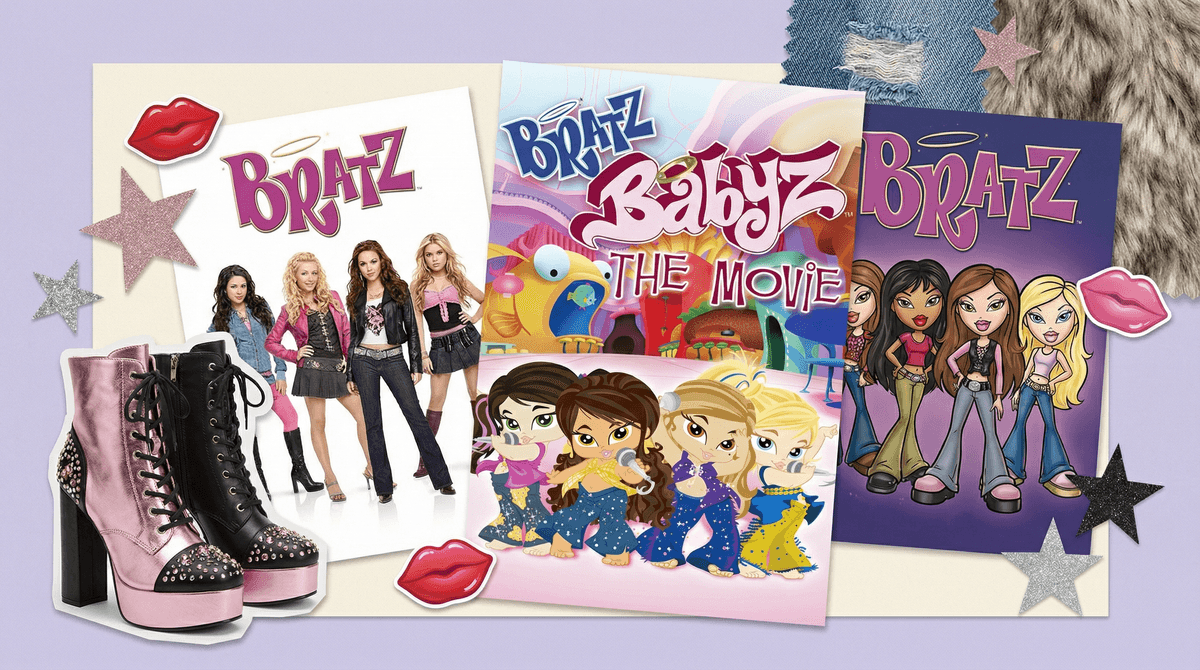
If you somehow missed the Bratz phenomenon of the early 2000s, here's the deal: Bratz are fashion dolls with oversized heads, almond-shaped eyes, pouty lips, and a "passion for fashion" tagline that's not joking around. The original four characters—Yasmin, Cloe, Jade, and Sasha—were designed as the edgier alternative to Barbie, with streetwear-inspired outfits, platform shoes, and makeup looks that would make a Sephora employee nod approvingly.
The brand has expanded to include movies, TV shows, video games, and an entire universe of accessories. The dolls are currently manufactured by MGA Entertainment and marketed to kids ages 6 and up, though the aesthetic clearly skews older.
The fashion. Bratz dolls come with multiple outfit changes, tiny accessories, and a level of detail that makes them genuinely fun to style. The clothes are trendy in a way that feels current—crop tops, platform boots, mini skirts, oversized hoodies. For kids interested in fashion, these dolls are legitimately appealing.
The diversity. Credit where it's due: Bratz has always featured a racially diverse cast of characters with different skin tones, hair textures, and cultural backgrounds. This was actually groundbreaking when they launched in 2001, and it remains one of their strengths.
The attitude. Bratz dolls have personality. They're confident, they're cool, they're not trying to be everyone's best friend. For kids navigating the social dynamics of late elementary and middle school, that "I know who I am" energy can be appealing.
The nostalgia factor. If you're a millennial parent, you might have had Bratz dolls yourself. That nostalgia can make them feel more acceptable than they might otherwise be.
Here's where it gets tricky. The official age rating is 6+, but that's based on choking hazards and small parts, not on the cultural messages the dolls convey.
Ages 6-8: Proceed with Caution
For younger elementary schoolers, Bratz dolls can be a lot. The heavy makeup, the fashion-forward outfits, and the general aesthetic communicate a very specific idea about what it means to be cool, attractive, and desirable. Six, seven, and eight-year-olds are still figuring out their own identities and are highly susceptible to media messaging about appearance.
The body image concern is real. Bratz dolls have exaggerated proportions—tiny waists, long legs, large heads—that don't reflect realistic human bodies. While no doll does (including Barbie), the Bratz aesthetic is particularly stylized. Research shows that exposure to unrealistic body standards in toys can influence how young children think about their own bodies and what's considered attractive.
The materialism is baked in. Bratz culture is deeply consumerist. The dolls come with shopping bags, credit cards, and an entire lifestyle built around buying things. The message is clear: fashion and stuff equals status. For younger kids who don't yet have the critical thinking skills to question this, it can reinforce some pretty shallow values.
That said, plenty of 6-8 year olds play with Bratz dolls without issue. If your kid is drawn to them, it's not the end of the world—but it's worth having conversations about what they're seeing and playing with.
Ages 9-12: More Appropriate, Still Worth Discussing
For tweens, Bratz dolls are more developmentally appropriate. Kids in this age range are starting to think critically about media messages, understand the difference between fantasy and reality, and form their own opinions about beauty standards and consumerism.
They can handle the aesthetic. A 10 or 11-year-old is more likely to see Bratz as a fun, exaggerated fashion fantasy rather than a literal blueprint for how they should look or act. They're also more capable of enjoying the creative play (styling outfits, creating stories) without internalizing the problematic messages.
But they're still absorbing messages. Even older kids are influenced by the media they consume. If your tween is already struggling with body image, comparing themselves to peers, or obsessing over appearance, Bratz might not be the best choice right now.
The Bratz Movies and Shows Are... Not Great
If your kid gets into Bratz dolls, they'll probably want to watch the Bratz movies and shows. Fair warning: these are not high-quality media. The plots are thin, the dialogue is cringey, and the messages are often problematic. The 2007 live-action movie, for example, centers on cliques, popularity contests, and a talent show—all pretty standard tween fare, but executed in a way that reinforces superficial values.
The animated movies and TV series are similar. They're watchable if you're eight, but they're not exactly teaching media literacy or critical thinking. If your kid wants to watch, consider co-viewing and talking through what you're seeing together.
The Accessories Are Where It Gets Expensive
One Bratz doll is around $20-30. But the Bratz universe includes playsets, cars, houses, additional outfits, and accessories that can quickly add up. The brand is designed to encourage collecting and expansion, which means your kid will likely want more than one doll.
Set expectations early. If you're going to allow Bratz in your home, be clear about limits. One doll for a birthday? A playset for the holidays? Whatever works for your family, but don't let the marketing machine dictate your budget.
Bratz vs. Barbie: Is One Better?
This is a common parent question. The truth is, both dolls have pros and cons.
Barbie has made significant strides in recent years with more diverse body types, skin tones, and career-focused dolls (astronaut Barbie, scientist Barbie, etc.). The Barbie movie also helped reframe the brand as more self-aware and feminist. That said, Barbie still represents an unrealistic body standard and a consumerist lifestyle.
Bratz offers racial diversity and a different aesthetic, but the emphasis on fashion, makeup, and "attitude" can feel more overtly sexualized and materialistic.
Neither is inherently better or worse—it depends on what you're comfortable with and how you frame the play. Both can be opportunities for media literacy conversations.
If your kid is into Bratz, here are some conversation starters:
"What do you like about this doll?" Let them tell you what appeals to them. Is it the outfits? The character's personality? The accessories? Understanding the draw helps you address specific concerns.
"Do you think people really look like this?" Use the dolls as a jumping-off point to talk about unrealistic beauty standards, photo editing, and how media creates fantasy versions of reality.
"What do you think this doll values?" Ask your kid what the doll seems to care about. Fashion? Friends? Shopping? Use their answers to explore what your family values and how that might be different.
"How does this make you feel about yourself?" Check in on whether the dolls are influencing how your kid sees their own appearance or worth. If they're starting to compare themselves negatively, it's time to pull back.
If you're not sold on Bratz but your kid wants fashion dolls, here are some alternatives:
- Barbie Fashionistas: More diverse body types and skin tones, still fashion-focused but slightly less "edgy"
- Lottie Dolls: Based on realistic child proportions, with a focus on adventure and play rather than fashion
- Creatable World: Gender-neutral dolls with customizable features, great for kids who want creative control
- American Girl: More expensive, but focused on storytelling, history, and character development
Bratz dolls aren't going to ruin your kid, but they're also not neutral. They come with messages about beauty, fashion, and consumerism that are worth thinking about and discussing.
For kids 6-8, Bratz are probably more than they need right now. If your kid is asking, consider waiting a couple of years or offering alternatives.
For kids 9-12, Bratz can be fine—especially if you're willing to have ongoing conversations about what they're seeing and playing with. Use the dolls as an opportunity to build media literacy and critical thinking skills.
Most importantly, trust your gut. You know your kid, your family values, and what feels right for your home. If Bratz dolls don't align with that, it's okay to say no. If you're comfortable with them as a toy but want to set boundaries around the shows and movies, that's okay too.
Parenting in 2026 means navigating a million tiny decisions about what media, toys, and influences we let into our kids' lives. Bratz dolls are just one of them. The fact that you're here, reading this, thinking critically about it? That's the important part.
- Set clear expectations about how many dolls/accessories are reasonable for your family budget
- Co-play or co-view Bratz content with your kid to understand what they're engaging with
- Check in regularly about how the dolls make them feel about themselves and others
- Explore alternatives to fashion dolls if you want to offer different play options
- Read up on talking to kids about body image to build those skills early
And if you do end up with a Bratz doll in your house? At least the outfits are actually cute. There's that.