

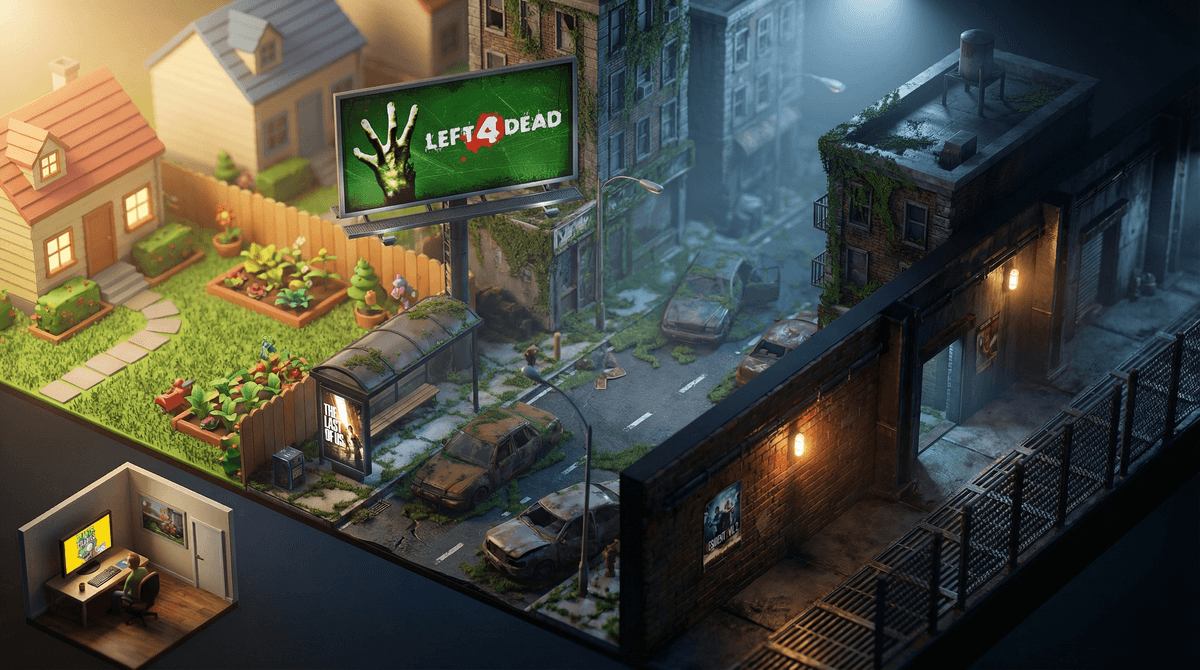
Look, we need to talk about zombie games. They're everywhere, your teen definitely knows about them, and they range from "cartoon zombies that go poof" to "nightmare fuel that'll haunt your dreams for weeks."
The zombie game genre is massive—from cooperative survival shooters like Left 4 Dead to story-driven masterpieces like The Last of Us to goofy tower defense games like Plants vs. Zombies. The common thread? Surviving against hordes of the undead. The actual experience? Wildly different depending on what you pick.
Here's the thing parents need to understand: not all zombie games are created equal. Some are genuinely thoughtful explorations of humanity under pressure. Others are just gore fests with a thin plot. And yes, some are actually appropriate for younger teens while others should wait until college (or never, honestly).
Zombie games hit a sweet spot for adolescent psychology. They're about survival, strategy, and often cooperation—all things that appeal to developing brains trying to figure out their place in the world.
There's also the power fantasy element. Teens are navigating a world where they have limited control, and zombie games let them be the hero, make life-or-death decisions, and prove their competence. It's not just about violence—it's about agency.
Plus, many zombie games are inherently social. Games like Call of Duty: Zombies mode or Back 4 Blood require teamwork and communication. Your teen isn't just shooting zombies; they're coordinating strategy with friends, which is actually a pretty sophisticated social activity.
Let's break this down by intensity and maturity level, because "zombie game" covers a LOT of ground.
Tier 1: Gateway Zombies (Ages 13+)
Plants vs. Zombies and Minecraft (yes, Minecraft has zombies) are your entry points. Cartoonish, strategic, zero gore. If your teen is on the younger side or you're testing the waters, start here.
State of Decay 2 is also worth considering—it's more about base-building and resource management than graphic violence. The zombies are there, but the focus is survival strategy.
Tier 2: Teen-Appropriate Survival (Ages 15+)
Left 4 Dead 2 is the gold standard here. Yes, there's violence, but it's not realistic—more action-movie than horror-film. The real draw is the cooperative gameplay. Four players working together to survive, covering each other, sharing resources. It's rated M, but many parents find it acceptable for mid-teens, especially compared to what else is out there.
Back 4 Blood is basically the spiritual successor to Left 4 Dead. Similar vibe, similar gameplay, made by the same developers. If your teen and their friends are playing this, they're probably having a genuinely good time working as a team.
Dying Light adds parkour to the zombie formula. Running across rooftops, scavenging supplies, and yes, fighting zombies—but with an emphasis on mobility and strategy over pure combat. The gore is there but not gratuitous, and the day/night cycle adds genuine tension (zombies get way scarier at night).
Tier 3: Mature Storytelling (Ages 17+)
The Last of Us and its sequel are not just zombie games—they're narrative experiences that happen to feature infected humans. These are emotionally heavy, dealing with loss, moral ambiguity, and the cost of survival. The violence is realistic and impactful, which is actually the point. These games ask hard questions about humanity.
If your older teen is mature enough to handle serious themes and you're comfortable with realistic violence in service of storytelling, these are genuinely exceptional games. But they're not for everyone, and that's okay. You can read more about whether The Last of Us is appropriate for your teen here.
Resident Evil 2 Remake is pure survival horror. It's tense, scary, and graphically intense. This is for older teens who actively want to be scared and can handle genuine horror content.
Let's separate real concerns from moral panic:
Gore levels matter. There's a massive difference between cartoon zombies and realistic depictions of violence. Check gameplay videos on YouTube before making a call—don't just rely on the ESRB rating.
Online interactions are the bigger concern. If your teen is playing cooperative zombie games with voice chat, that's where you need to pay attention. Who are they playing with? Are they using game chat or Discord? Learn about voice chat safety in games is more important than the zombies themselves.
Desensitization is real but nuanced. Research shows that playing violent games doesn't make kids violent, but it can make them less reactive to violent imagery. Whether that's a problem depends on your family values and your teen's overall media diet.
Fear and anxiety vary wildly. Some teens love being scared in a controlled environment. Others will have nightmares. You know your kid—don't let peer pressure override your instincts about what they can handle.
Instead of just saying yes or no, try this approach:
"I know you want to play [game name]. I've looked into it, and here's what I'm seeing: [specific content concerns]. What appeals to you about this game? What do your friends like about it?"
Then actually listen. If they say "everyone plays it and I feel left out," that's different from "I really love survival strategy games." The first might lead you toward alternatives that hit the same social notes. The second might mean they're genuinely interested in the genre.
Set clear boundaries: "You can play this, but not the goriest difficulty setting" or "You can play with friends I know, but not random online players" or "We're going to check in after a few sessions to see how you're feeling about the content."
The best zombie game for your teen isn't necessarily the most popular one—it's the one that matches their maturity level, your family values, and their actual interests.
Start lower and work up. There's no prize for jumping straight to the most intense content. Let them prove they can handle lighter fare before moving to heavier stuff.
Play attention to the why. If your teen wants to play because it's a social activity with friends, that's different from wanting to play because they're drawn to graphic content. The motivation matters.
You're allowed to say no. And you're also allowed to say yes with conditions. "You can play at our house where I can occasionally check in" is perfectly reasonable. So is "Not until you're 16" or "Let's watch some gameplay together first."
The zombie apocalypse in gaming isn't going anywhere. Your job isn't to shield your teen from every scary thing—it's to help them build good judgment about what they consume and how it affects them. Sometimes that means letting them play. Sometimes it means saying not yet. And sometimes it means playing together so you can understand what they're experiencing.
Next Steps: Check out our guide to understanding game ratings or explore alternatives to violent games if you're looking for different options entirely.