

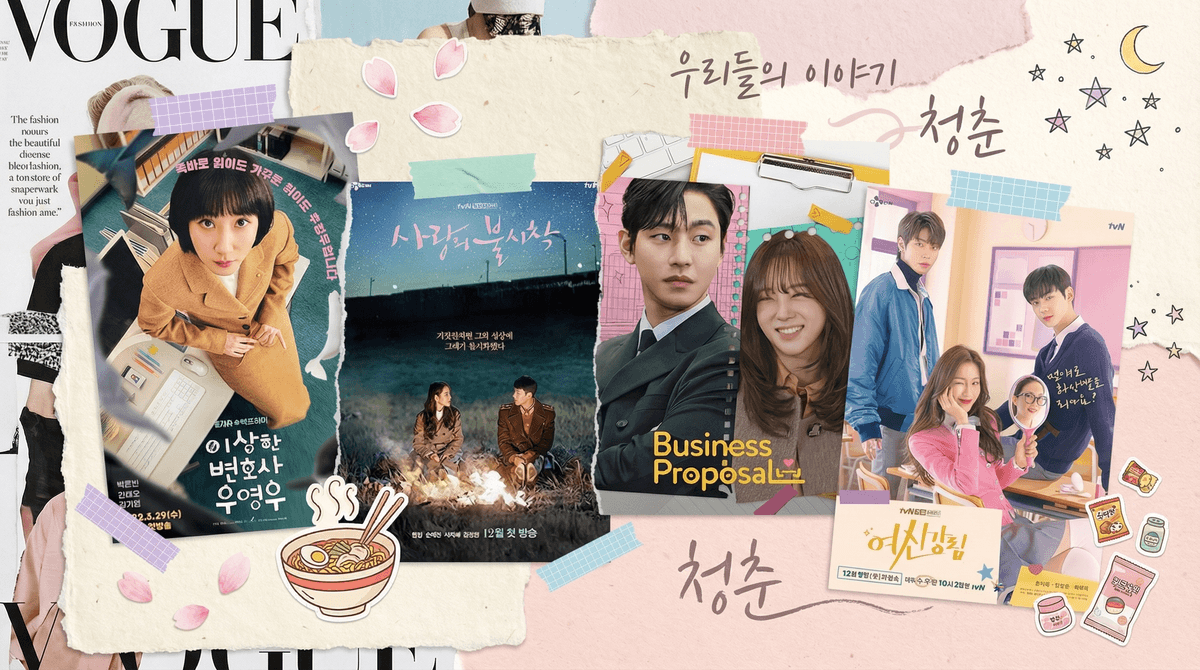
Korean dramas (K-dramas) have absolutely exploded in teen culture over the past few years, and if your teen is watching Netflix, there's a solid chance they've already binged at least one. These are serialized shows from South Korea, typically 16-20 episodes per season, and they've become appointment viewing for millions of teens worldwide.
Unlike American shows that can drag on for seven seasons, most K-dramas tell a complete story in one season and then end. This makes them incredibly binge-able (for better or worse), and the production quality is genuinely impressive—think movie-level cinematography and soundtracks that will live rent-free in your teen's head for months.
The Netflix algorithm has been pushing these hard since Squid Game became a global phenomenon, but the teen-friendly romantic comedies and high school dramas are a completely different vibe from that ultraviolent thriller. We're talking about shows like Extraordinary Attorney Woo, Business Proposal, and True Beauty.
K-dramas hit different for teens, and here's why:
The romance is swoon-worthy but often slower-paced. Unlike a lot of American teen shows that jump straight to physical intimacy, many K-dramas focus on emotional connection, longing glances, and what fans call "the slow burn." Your teen is losing their mind over a couple holding hands in episode 12 because the build-up has been that intense.
The aesthetics are immaculate. Every character looks like they stepped out of a fashion magazine, the sets are gorgeous, and the cinematography makes even mundane moments feel cinematic. For teens who care about visual culture (which is most of them), this matters.
The cultural differences are fascinating. The respect for elders, the food culture, the school systems, the mandatory military service mentions—it's all genuinely interesting and expands their worldview beyond American media.
The communities are massive. K-drama fans are passionate, and the online discourse, fan edits, and shipping culture give teens a sense of belonging to something bigger. The second lead syndrome debates alone could fuel a philosophy course.
Let's be real: not all K-dramas are created equal when it comes to age-appropriateness, and the ratings systems don't always translate well from Korean to American standards.
The romance can get intense. While many K-dramas are less explicit than American shows, the emotional manipulation, jealousy, and relationship dynamics can be pretty mature. You'll see controlling behavior sometimes portrayed as romantic (the classic "wrist grab" trope), and it's worth having conversations about what healthy relationships actually look like.
Mature themes vary wildly by show. Some K-dramas deal with suicide, sexual assault, domestic violence, corruption, and serious mental health issues. Others are pure fluff about a girl who can't choose between two impossibly attractive guys. The range is enormous, so "K-drama" as a category doesn't tell you much about content.
The beauty standards are intense. Korean beauty culture is no joke, and these shows often reinforce pretty rigid standards around appearance, weight, and skin tone. Shows like True Beauty literally center on a girl who's treated completely differently based on whether she's wearing makeup. This deserves discussion.
Subtitles are actually a feature, not a bug. Your teen is reading. A lot. And getting exposure to another language and culture. This is genuinely good for their brain, even if they're "just" watching TV.
For Ages 13-14: Start Here
Extraordinary Attorney Woo - This is the sweet spot. It's about a brilliant autistic lawyer navigating her career and relationships. The representation is thoughtful, the cases are interesting, and the romance is gentle. Some mature legal topics (sexual assault cases, etc.) but handled sensitively.
Yumi's Cells - Part live-action, part animation showing the "cells" inside the main character's brain. It's quirky, funny, and while it deals with adult relationships, it's done in a way that's accessible for younger teens. Season 1 is stronger than Season 2.
Hometown Cha-Cha-Cha - A dentist moves to a small seaside town and falls for the local handyman. It's cozy, the community dynamics are heartwarming, and the romance is slow-burn without being frustrating. Some discussions of grief and past trauma, but overall very gentle.
For Ages 15-17: Level Up
Business Proposal - Pure romantic comedy gold. A woman goes on a blind date pretending to be her friend, only to discover the guy is actually her company's CEO. It's ridiculous in the best way, and while there's some workplace power dynamic stuff, it's played for laughs and ultimately quite sweet.
Twenty-Five Twenty-One - Set during the 1998 Asian financial crisis, this coming-of-age story follows a fencer and a young reporter. It's beautiful, nostalgic, and deals with dreams, ambition, and first love. Fair warning: the ending is divisive and your teen might need to process their feelings about it.
Crash Landing on You - A South Korean heiress accidentally paraglides into North Korea and falls for a military officer. It sounds bonkers (it is), but it's also genuinely romantic and offers interesting cultural insights about the Korean divide. Some violence and mature themes, but nothing gratuitous.
What to Approach with Caution (Ages 17+)
The Glory - This revenge thriller about a woman plotting against her childhood bullies is dark. The bullying scenes are brutal, and while it's excellent television, it's heavy stuff dealing with trauma, violence, and some sexual content. Watch it yourself first.
True Beauty - This one's tricky because it's marketed as a teen show, but it really leans into problematic beauty standards and has some concerning messages about self-worth being tied to appearance. The romance is cute, but have conversations ready about the premise.
Most historical dramas (sageuks) - These can be gorgeous but often include political violence, concubine dynamics, and mature power struggles that need context. Mr. Sunshine is brilliant but deals with colonization, war, and heavy themes.
About romance tropes: "I noticed the guy in that show grabbed her wrist and wouldn't let go. How would you feel if someone did that to you in real life?" K-dramas are full of possessive behavior framed as romantic. Talk about it.
About beauty standards: "Do you think the characters in these shows look like regular people?" Open the door to discussing how Korean entertainment industry beauty standards are even more intense than Western ones, and what that might mean for how your teen thinks about their own appearance.
About cultural context: "What have you learned about Korean culture from these shows?" This can lead to genuinely interesting conversations about family dynamics, educational pressure, and cultural differences. It's also a chance to discuss how media representations aren't always fully accurate.
About the time investment: "How many episodes are you planning to watch today?" Because here's the thing—when a season is 16 episodes at 70 minutes each, that's almost 19 hours of content. The binge potential is real, and it's worth having conversations about balance .
.
K-dramas aren't inherently better or worse than American teen shows—they're just different, with their own set of cultural values, storytelling conventions, and potential concerns. The good news is that many of them are genuinely well-made, less sexually explicit than a lot of American content, and expose your teen to different perspectives and languages.
The key is knowing what your teen is watching specifically, because "K-drama" is as broad a category as "American TV show." Extraordinary Attorney Woo and The Glory both fall under that umbrella, but they're wildly different viewing experiences.
Watch an episode or two with your teen. Yes, you'll probably get hooked (the second lead syndrome is real, and you will have opinions). But you'll also understand what they're spending hours thinking about, and you'll have shared cultural references for actual conversations.
And who knows—you might learn that Korean fried chicken is apparently a whole thing, and suddenly your teen wants to try making it. Worse ways to spend a Saturday.
- Ask your teen what K-drama they're currently watching and look it up on Screenwise to see ratings and parent reviews
- Watch the first episode together—if nothing else, you'll understand why they keep saying "fighting!" at weird moments
- Check out our guide to navigating Netflix with teens to set up viewing restrictions if needed
- Join the conversation: what other parents are saying about K-dramas