

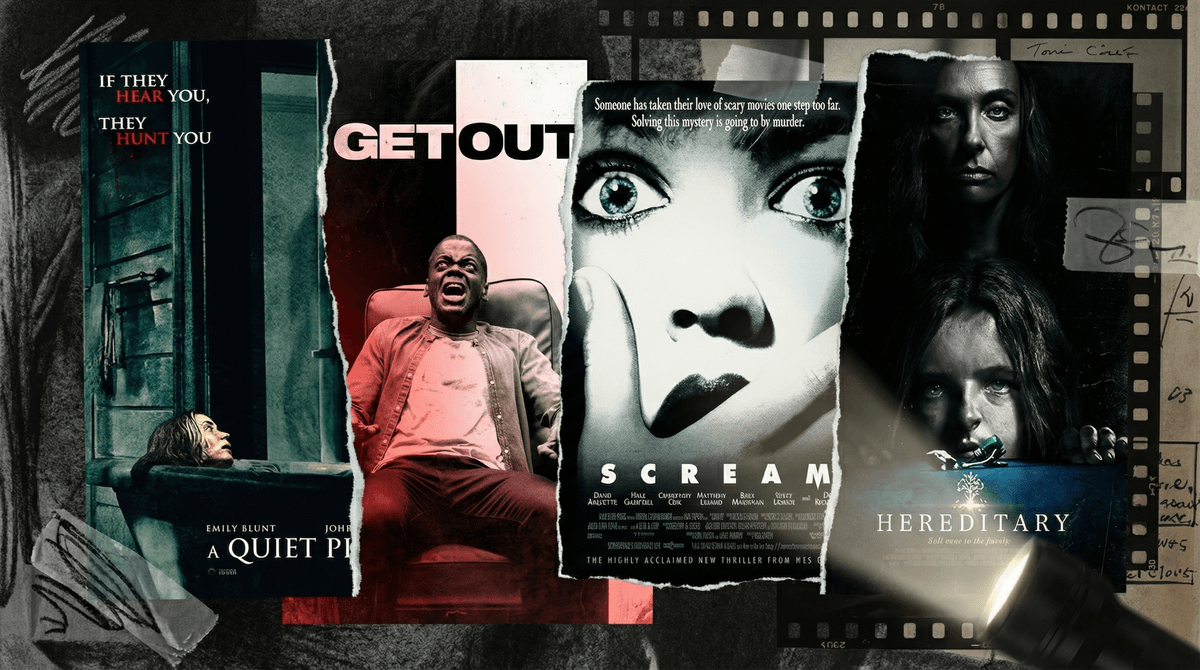
Look, horror is having a moment with teens right now. Not the gratuitous gore-fest stuff (though some of that exists too), but actually thoughtful, well-crafted scary movies that explore real anxieties through supernatural or slasher lenses. We're talking everything from psychological thrillers that mess with your head to creature features that make you jump.
The thing is, "horror for teens" is a huge spectrum. There's the PG-13 gateway scares like A Quiet Place that your 13-year-old can probably handle, and then there's stuff like Hereditary that will absolutely wreck a 17-year-old's sleep for weeks (and honestly, most adults too).
The genre has legitimately evolved. Modern teen horror often tackles themes like grief, trauma, identity, and social anxiety—wrapped in a monster movie package. It's not just about the scares anymore.
Here's the thing parents often miss: watching scary movies is actually a developmentally appropriate way for teens to explore fear in a controlled environment. They're testing boundaries, processing anxieties about growing up, and honestly? Getting a safe adrenaline rush that feels way better than some alternatives.
Teens love horror because:
- It's a shared social experience — watching something scary with friends creates bonding and gives them something to talk about for weeks
- It makes them feel grown-up — there's a reason horror is often the first "adult" content teens seek out
- It's cathartic — real teen anxiety (school, social media, climate change, the future) is often scarier than fictional monsters. Horror externalizes those fears
- The genre respects their intelligence — good horror doesn't talk down to viewers. It trusts them to pick up on themes and symbolism
That said, not all horror is created equal, and not every teen is ready for every scary movie at the same age.
Ages 13-14: Gateway Horror
This is where most kids start dipping their toes in. Look for:
A Quiet Place (PG-13) — Tense, suspenseful, but the scares are about silence and creatures, not gore. Bonus: it's actually about family.
The Sixth Sense (PG-13) — A classic that's more creepy than terrifying. Great for kids who like psychological elements.
Scary Stories to Tell in the Dark (PG-13) — Based on the books many of them already read. Creepy creatures, some jump scares, but nothing too intense.
Goosebumps (PG) — Okay yes, this is barely horror, but it's a solid starting point for kids who are horror-curious but easily spooked.
Ages 15-16: Stepping It Up
At this age, many teens can handle more intense themes and some violence, though you still want to watch out for extreme gore or sexual violence.
Get Out (R) — Smart, socially conscious horror that will spark amazing conversations. Some violence but the real horror is psychological and racial commentary.
It (R) — The 2017 version is genuinely scary but also a coming-of-age story. Warning: there are some intense moments and one disturbing scene involving a child (not graphic but upsetting).
The Conjuring (R) — Classic haunted house scares. Intense but not gory. This is pure "hide under a blanket" fun.
Happy Death Day (PG-13) — Groundhog Day meets slasher film. Self-aware, fun, and not too intense.
Ages 17+: Full Horror Catalog (With Caveats)
Older teens can generally handle most horror, but there are still films that are just... a lot.
Hereditary (R) — This will mess you up. Brilliantly crafted but deeply disturbing exploration of grief and family trauma. Not for sensitive viewers of any age.
Midsommar (R) — From the same director as Hereditary. Disturbing in a completely different way (daylight horror, cult dynamics). Graphic at times.
The Witch (R) — Slow-burn period horror. More atmospheric dread than jump scares. Smart teens who like history will appreciate it.
Scream (R) — The meta-horror classic. Self-aware, clever, and yes, violent, but in a way that comments on horror movie tropes.
Not all horror content is created equal. Here's what to actually pay attention to:
Sexual violence — This is the big one. Many horror films use sexual assault as a plot device or threat, and this can be genuinely traumatic for viewers. Check reviews specifically for this.
Torture porn — Films like the Saw franchise or Hostel that focus on graphic, prolonged suffering. These aren't scary; they're just... unpleasant. Most teens don't even enjoy them.
Jump scares vs. dread — Know your kid. Some teens love the adrenaline of jump scares. Others find sustained psychological dread much more disturbing.
Themes that hit too close to home — A movie about a school shooting or parental abuse might be well-made but too real for a teen dealing with those anxieties.
The MPAA rating is a starting point, but Common Sense Media is your friend here. They break down specific content so you know exactly what you're dealing with.
The best part about horror? It's incredibly easy to start conversations.
Before watching:
- "What kind of scary are you in the mood for—monsters, ghosts, or psychological?"
- "Have your friends seen this? What did they say?"
- "Want to check the rating breakdown together?"
After watching:
- "What scene got you the most?"
- "Do you think the monster/villain represented something real?"
- "Would you have made different choices than the characters?"
Here's a pro tip: watching horror together is actually amazing bonding time. You're sharing an intense experience, and teens often feel more comfortable opening up during or right after a movie when emotions are heightened.
Horror isn't the enemy. Bad horror that's inappropriate for your teen's maturity level? That's worth avoiding. But age-appropriate scary movies can be a genuinely positive part of teen development—teaching media literacy, providing emotional catharsis, and creating shared experiences.
The key is knowing your kid. Some 14-year-olds can handle Get Out's themes and will want to discuss racial dynamics for hours afterward. Others will have nightmares from A Quiet Place. You know your teen better than any rating system.
Start with gateway horror, watch together when possible, and keep the conversation going. And if they do get scared? That's okay too. That's literally the point of horror—to feel fear in a safe space where you can turn it off.
Want more specific recommendations? Check out our full guide to age-appropriate scary content or explore alternatives if horror isn't your family's thing.
Dealing with a teen who wants to watch something you think is too intense? Learn how to have that conversation without it becoming a fight .
.
Curious about what other parents in your community are allowing? Take the Screenwise survey to see how your family's media choices compare with others in your area.