

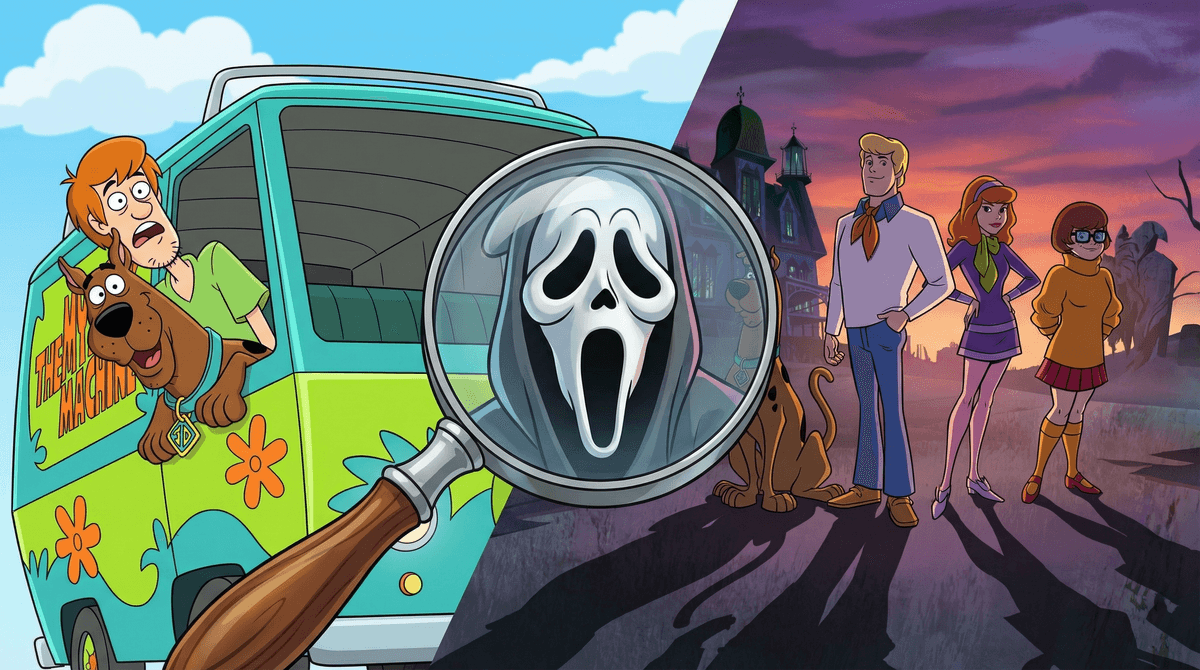
Be Cool, Scooby-Doo! TV-Y7 Rating: What Parents Need to Know
Be Cool, Scooby-Doo! earned its TV-Y7 rating for mild fantasy violence, some genuinely spooky moments, and slapstick humor that occasionally gets a bit intense. It's appropriate for most 7-year-olds, though sensitive kids might want to wait until 8 or 9. The show takes a more comedic, self-aware approach than classic Scooby-Doo, which some families love and others find... polarizing.
Quick parent verdict: If your kid can handle the original Scooby-Doo, Where Are You!, they can handle this. The animation style is divisive (think angular, almost ugly-cute), but the writing is actually pretty clever.
Be Cool, Scooby-Doo! is the 2015-2018 reboot that aired on Cartoon Network, featuring the Mystery Inc. gang in a more overtly comedic, meta-humor style. The show ran for two seasons (52 episodes total) and is available on HBO Max and various streaming platforms.
The biggest change? The animation style. Gone are the classic Hanna-Barbera designs—this version features simplified, almost caricature-like character designs that look like they were drawn by someone who really loved Adventure Time and Regular Show. Fred has a weird jaw. Velma's proportions are... unconventional. It's a whole thing.
But here's what matters for parents: the show leans HARD into self-aware humor, fourth-wall breaks, and pop culture references. It's Scooby-Doo that knows it's Scooby-Doo and isn't afraid to make fun of itself.
The TV-Y7 rating means the content is designed for children age 7 and older. Here's what that actually means in practice:
Fantasy Violence & Scares
The "monsters" in Be Cool, Scooby-Doo! are always people in masks (classic Scooby formula), but some episodes get genuinely creepy:
- Chase sequences where Scooby and Shaggy are pursued by monsters through dark hallways, abandoned buildings, or spooky locations
- Jump scares that are telegraphed but still might startle younger viewers
- Monsters that look scary even though we know they're fake—think zombies, ghosts, werewolves, and other classic horror tropes
- Slapstick violence that's more intense than the original series—characters get bonked, fall from heights, crash into things
The violence is always cartoonish and no one ever gets seriously hurt, but it's more physical than you might remember from the 1970s version.
Humor That Skews Older
The show's comedy is aimed at kids who get references. There are jokes about:
- Pop culture (movies, TV shows, internet culture)
- Self-referential humor about the Scooby-Doo formula itself
- Wordplay and puns that younger kids might miss
- Character quirks played for laughs (Fred's obsession with traps, Daphne's wealth, Velma's know-it-all tendencies)
Some of the humor involves mild peril or characters being scared, which is part of the comedy but might be too much for sensitive 6-7 year olds.
What's NOT in the Show
To be clear, there's no:
- Real violence or blood
- Sexual content or innuendo
- Strong language (not even mild stuff)
- Drug or alcohol references
- Bullying or mean-spirited behavior between the main characters
Here's the split: kids who enjoy modern cartoon humor (think The Amazing World of Gumball or Teen Titans Go!) tend to really enjoy Be Cool, Scooby-Doo!. Kids who prefer classic animation styles or more straightforward storytelling might find it annoying.
The appeal:
- Fast-paced comedy with lots of visual gags
- Characters who feel more like friends goofing around than a formal mystery-solving team
- The meta-humor makes kids feel "in on the joke"
- Scooby and Shaggy's food obsession is cranked up to 11
- The mysteries are still fun to solve, even if the show doesn't take them super seriously
Why some kids bounce off:
- The art style is... an acquired taste
- The constant jokes can feel exhausting if you just want a straightforward mystery
- Some episodes are more focused on character comedy than actual mystery-solving
- The self-aware humor can feel like it's trying too hard
Ages 7-8: This is the target demographic. Most kids this age can handle the mild scares and will enjoy the slapstick humor. Watch the first episode together to gauge their reaction—if they're hiding behind a pillow during chase scenes, maybe wait a few months.
Ages 9-12: Totally fine. Kids this age will catch more of the references and meta-humor. They might actually appreciate the show's self-awareness more than younger viewers.
Ages 5-6: Probably too young, especially if they're sensitive to scary images. The pacing is also pretty frantic, which can be overwhelming for younger kids. Stick with Bluey or Puffin Rock for this age group.
Ages 13+: They'll probably think it's dumb, unless they're into ironic enjoyment of kids' shows. But honestly, if they want Scooby-Doo content, they might prefer Mystery Incorporated, which has more serialized storytelling and slightly darker themes.
If you're trying to figure out which Scooby-Doo series is right for your family:
Scooby-Doo, Where Are You! (1969): The original. Slower paced, classic animation, straightforward mysteries. TV-G rating. Great for ages 5+.
What's New, Scooby-Doo? (2002): Modern animation but keeps the classic feel. TV-Y7. Solid middle ground for ages 6+.
Scooby-Doo! Mystery Incorporated (2010): Serialized storytelling, darker themes, actual character development. TV-Y7-FV (fantasy violence). Best for ages 10+.
Be Cool, Scooby-Doo! (2015): Comedy-first, meta-humor, divisive art style. TV-Y7. Ages 7-12 who like modern cartoon humor.
The Art Style Is Polarizing
Let's address the elephant in the room: parents HATE the animation style. Like, viscerally hate it. Kids tend to care less. If you can get past the angular character designs and simplified animation, the show is actually well-written with some genuinely funny moments.
It's More Comedy Than Mystery
If your kid is into the puzzle-solving aspect of Scooby-Doo, this might disappoint. The mysteries are there, but they're often secondary to the comedy. The show is more interested in character interactions and jokes than creating complex whodunits.
Educational Value Is Minimal
Unlike some kids' shows that sneak in learning, Be Cool, Scooby-Doo! is pure entertainment. There are occasional references to history or science, but it's not educational content. And that's fine—not everything needs to be a learning opportunity.
Screen Time Considerations
Episodes are about 22 minutes, which is a reasonable chunk of screen time. The show's frenetic pacing means kids might be more wound up after watching compared to slower-paced shows. Consider this when deciding whether it's a morning show or an afternoon show for your family.
If you're looking for alternatives to fast-paced cartoons, there are plenty of options that might be a better fit.
Be Cool, Scooby-Doo! is appropriate for most kids 7 and up, assuming they can handle mild cartoon scares and slapstick violence. The TV-Y7 rating is accurate—it's not trying to push boundaries or sneak in inappropriate content.
The real question isn't whether it's safe (it is), but whether your kid will enjoy it. If they like modern cartoon humor and don't mind the unconventional art style, they'll probably love it. If they prefer classic Scooby-Doo or find fast-paced comedy overwhelming, skip this one.
Try this: Watch the first episode together. If your kid is laughing and engaged (and not terrified), you're good to go. If they're not into it, there are literally dozens of other Scooby-Doo shows and movies to choose from.
And hey, if you hate the art style but your kid loves the show? That's what headphones are for. You don't have to watch every single thing they watch—sometimes it's okay to let them enjoy something that's not your cup of tea.