The uncanny valley of the barnyard
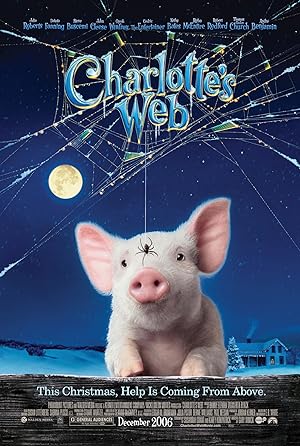
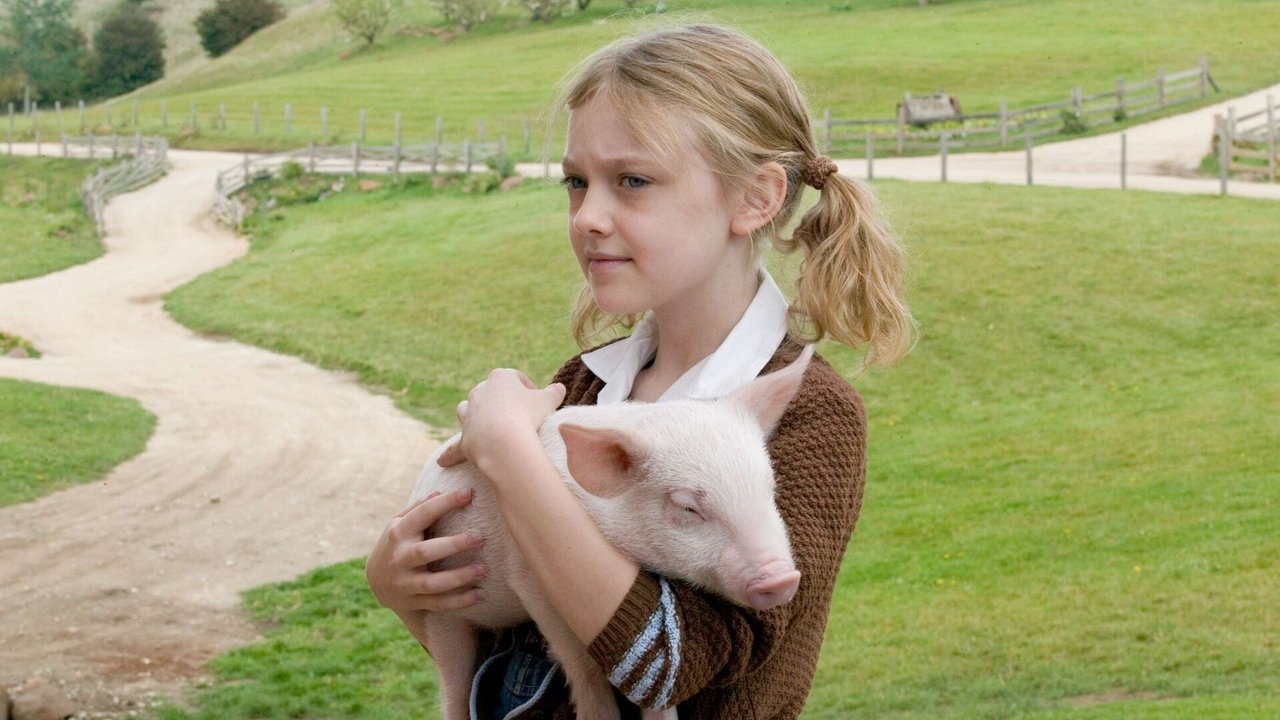
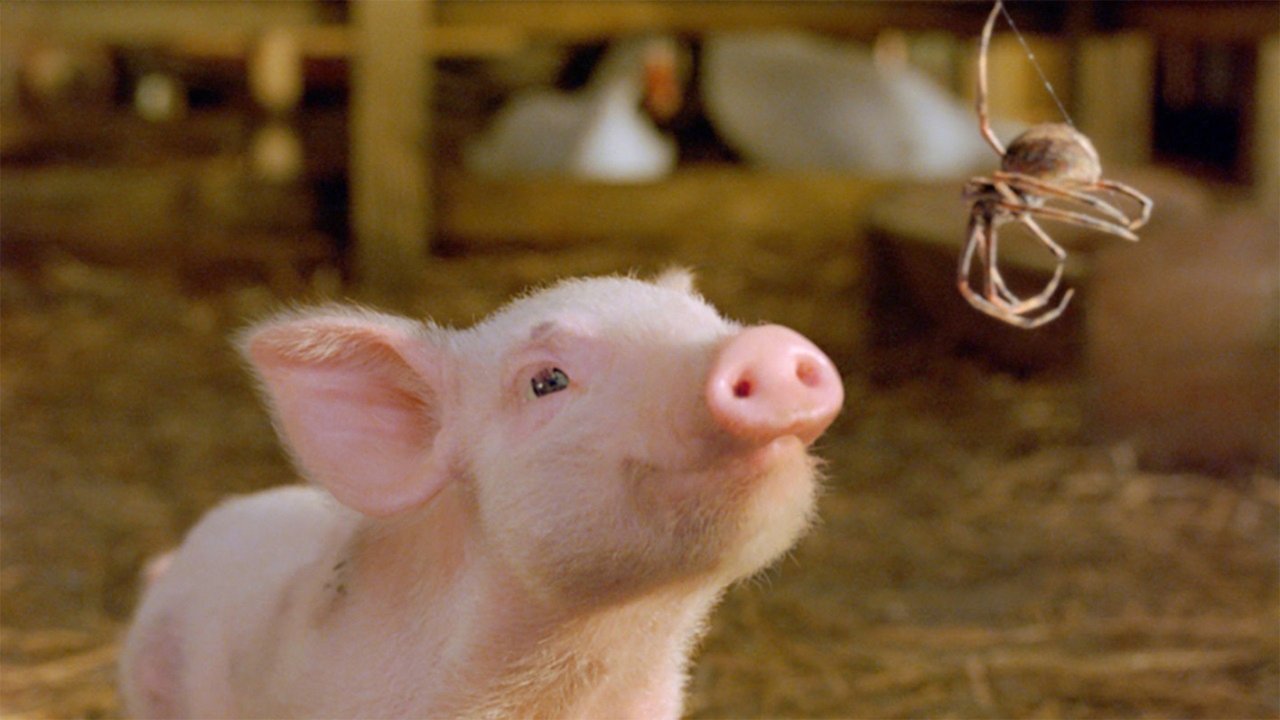
The biggest hurdle for a modern kid watching this version isn't the story; it's the mouths. In 2006, the technology to make live animals look like they were talking was the industry standard, but today it lands squarely in the uncanny valley. It's a bit distracting to see a real pig’s snout contort into human phonemes, and for some kids, it’s actually a little creepy.
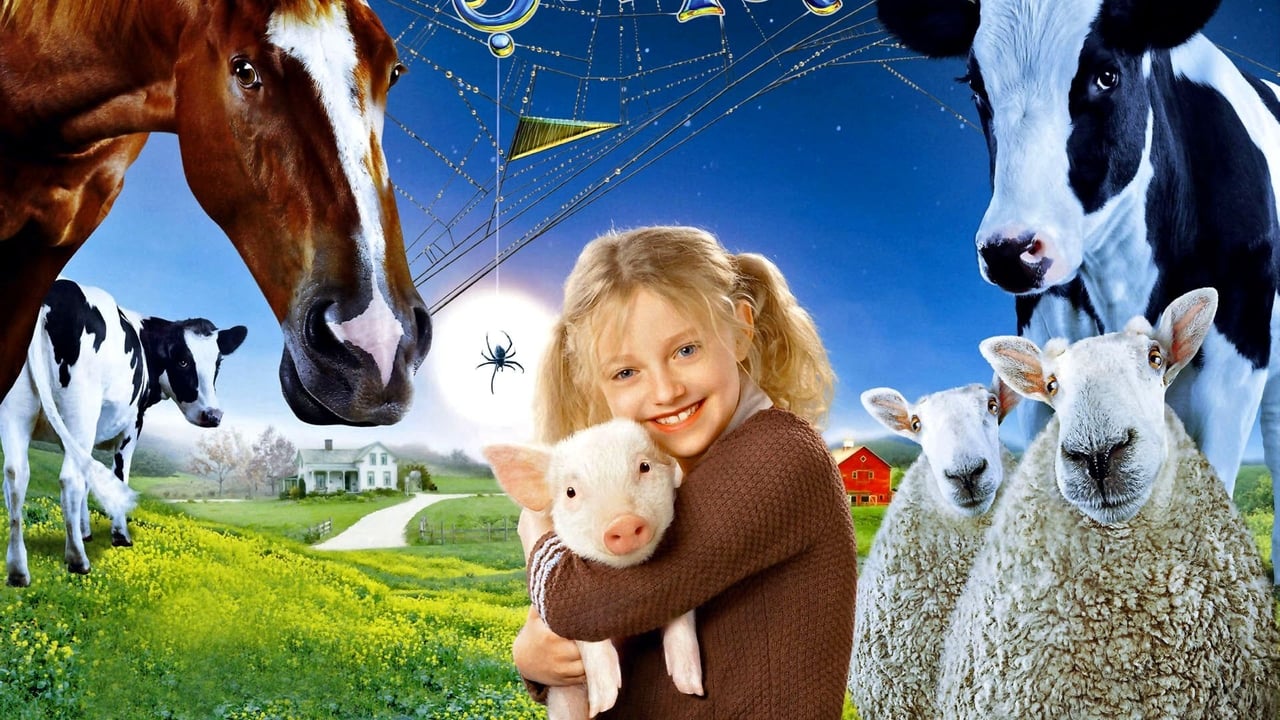
If your household is used to the crisp, intentional animation of modern Pixar or the hand-drawn charm of the 1973 classic, this "live-action plus CGI" middle ground might feel like a relic. It lacks the visual soul of the book's original illustrations. While the critics gave it a respectable 79% on Rotten Tomatoes, the audience score of 62% and the dismal 2.9 on Letterboxd suggest that for most viewers, the technical execution didn't quite match the emotional ambition.
Processing the meat logic
We need to talk about the central conflict because it’s more grounded and "real" than your average talking-animal flick. Unlike a movie where a villain wants to kidnap a puppy, the "villain" here is just the standard operating procedure of a farm. Wilbur isn't being hunted; he's being raised.
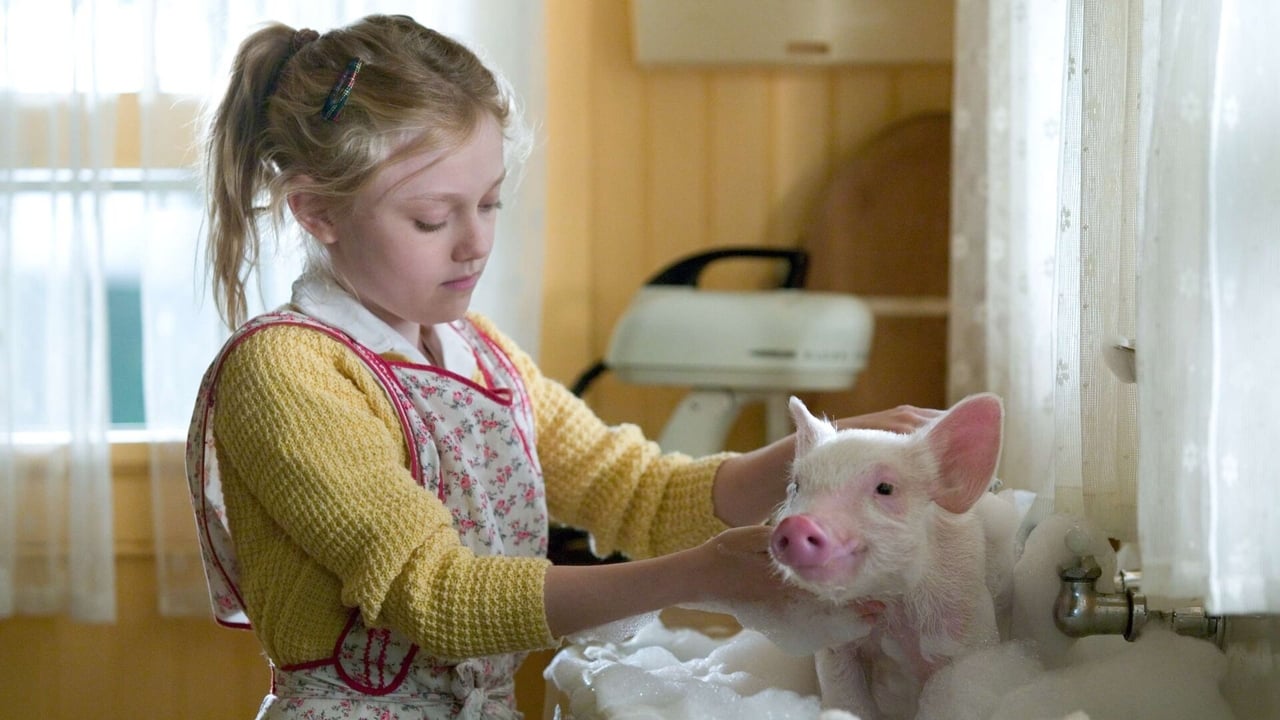
This can be a jarring realization for younger kids who haven't yet connected the dots between the cute animal on screen and the breakfast on their plate. It’s an excellent opening to begin teaching kids about animal welfare through movies, but you should be ready for the "wait, do we eat pigs?" conversation about ten minutes in. The movie doesn't shy away from Wilbur’s fear, which makes the stakes feel much heavier than a typical animal movies for kids marathon.
The "boring" factor is real
The 6.3 IMDB score is a loud warning about the pacing. This isn't an action-adventure movie. It’s a quiet, atmospheric drama about a spider and a pig sitting in a barn talking about life and death. There are no frantic chase scenes or fart jokes to bridge the gaps.
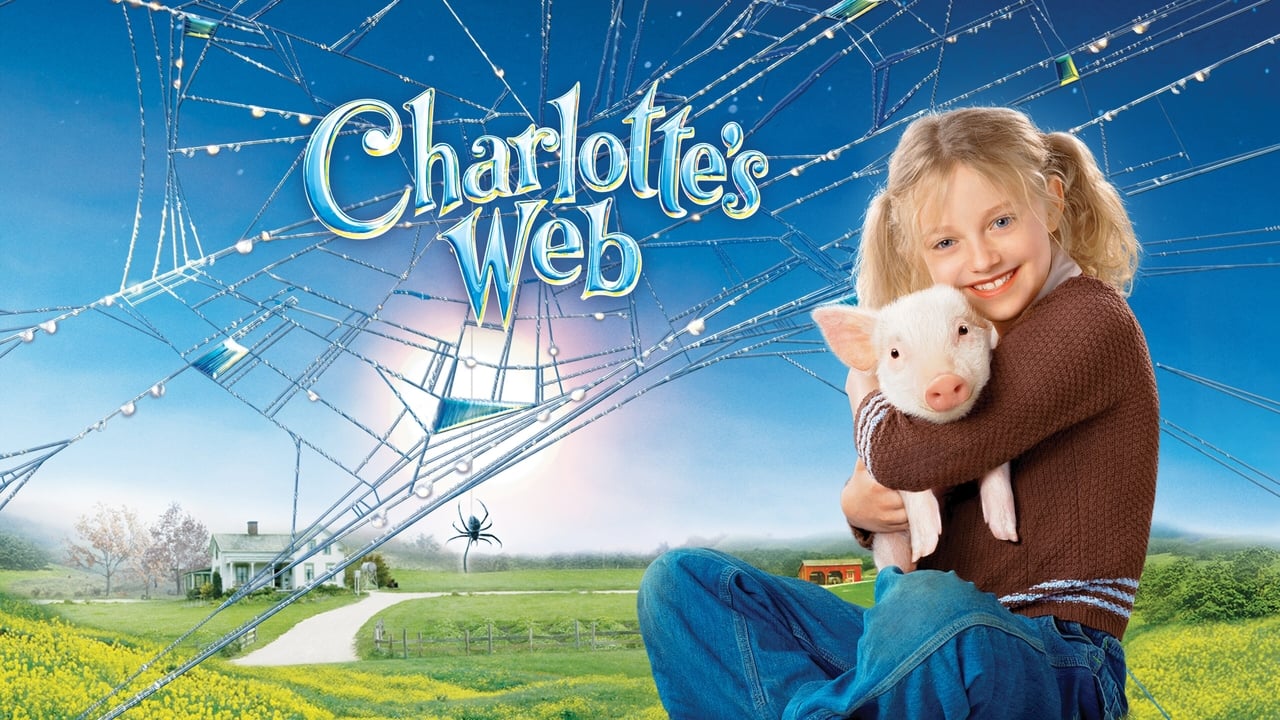
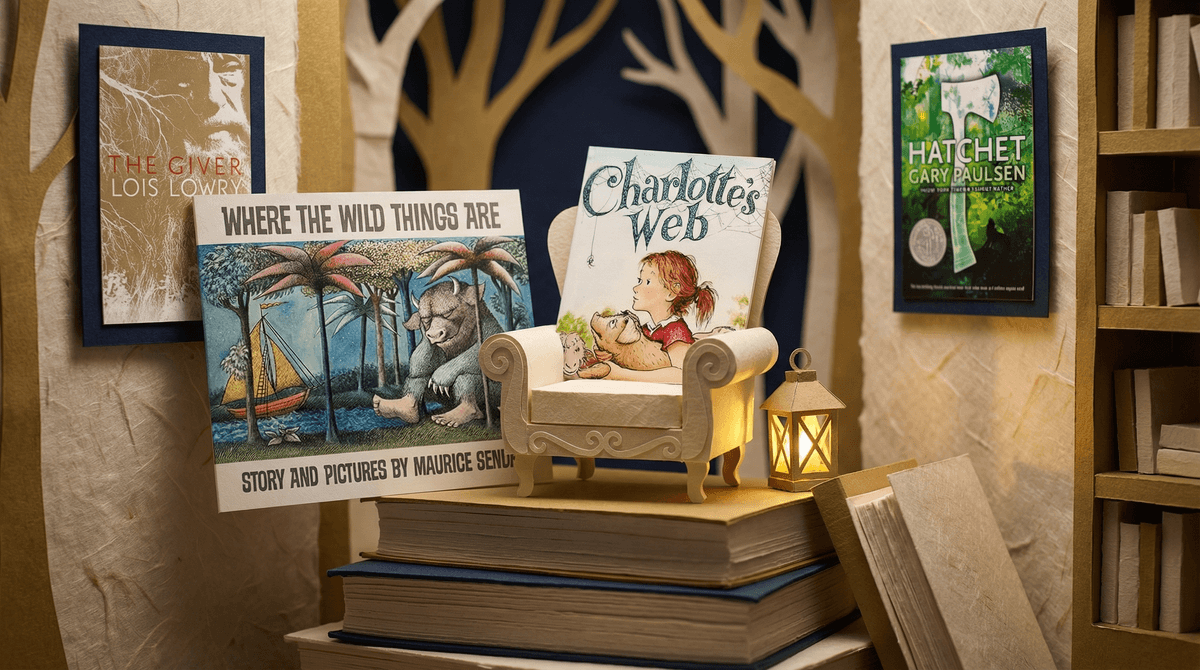
If you have a kid who thrives on high-octane spectacle, they will likely check out by the second act. However, if you’ve recently finished reading Charlotte’s Web: The Original ‘Viral Thread’ for Kids, this movie acts as a decent visual companion. It’s a "slow food" cinematic experience. It works best if you treat it as a wind-down movie on a rainy afternoon rather than the main event for a high-energy movie night.
Why Charlotte still works
Despite the dated effects, the character of Charlotte remains a powerhouse of screenwriting. She isn't a magical fairy godmother; she’s a writer and a strategist. She uses her intellect to change public perception, which is a sophisticated concept for a kids' movie to tackle.
The way she handles Wilbur’s anxiety—with logic, grace, and eventual sacrifice—is still the gold standard for depicting mentorship on screen. If your kid is dealing with their own anxieties or big life changes, Charlotte’s calm, methodical approach to "saving" Wilbur provides a great template for how friends support one another through the hard stuff. Just keep the tissues nearby, because even with the clunky 2006 CGI, that ending still hits like a ton of bricks.