The ultimate digital third space
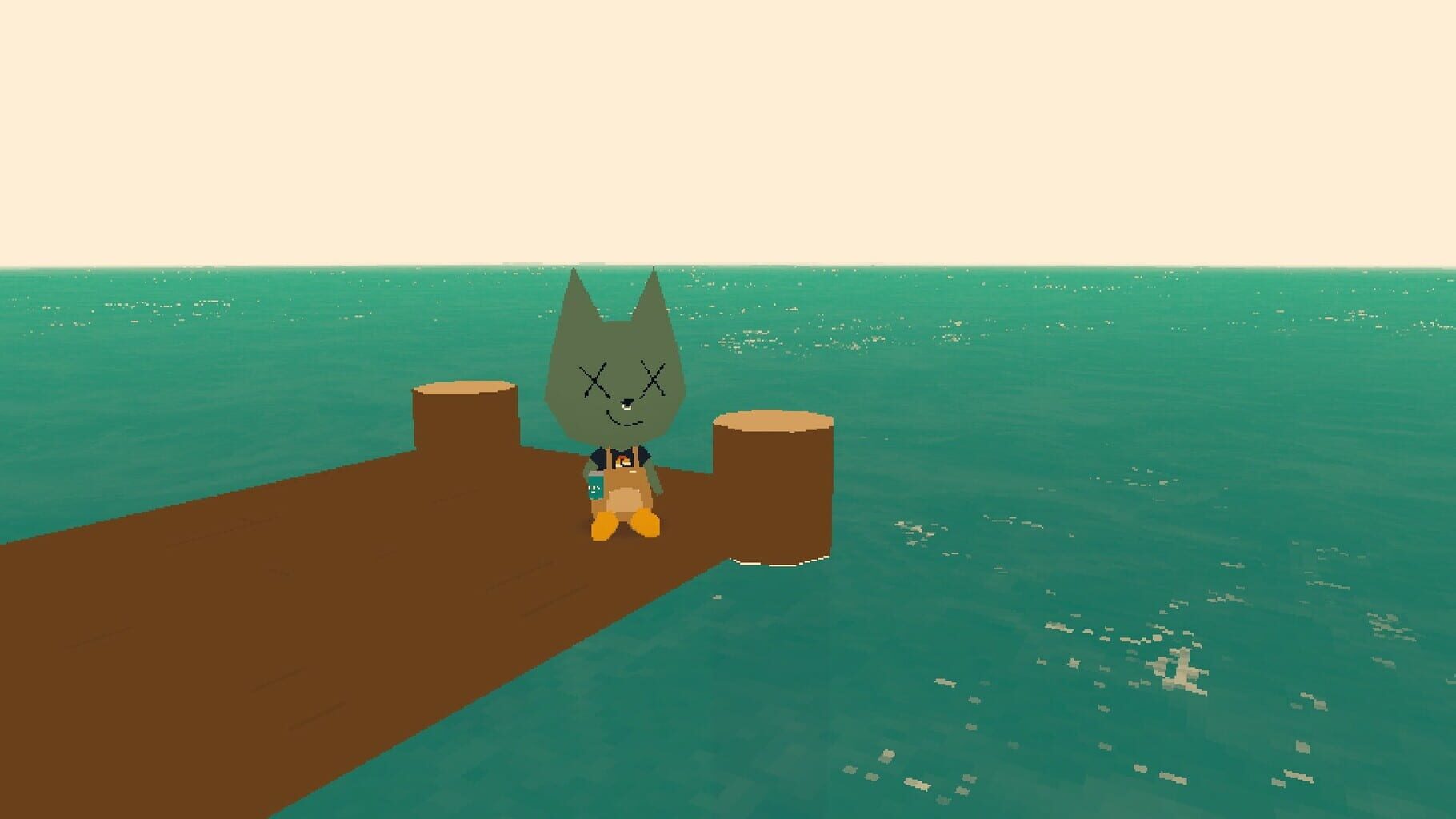
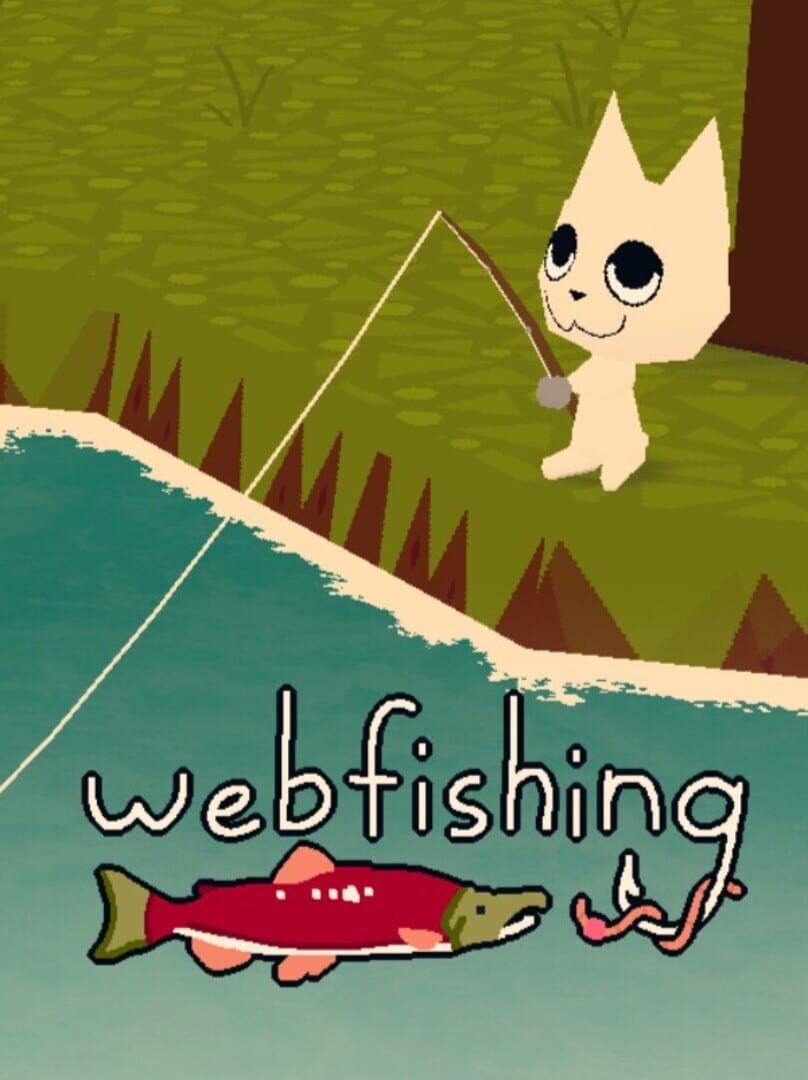
While most multiplayer games are about winning, leveling up, or surviving a 100-player battle royale, Webfishing is about yapping. It arrived in 2024 and quickly became the go-to "digital third space"—a place for people to just exist together without the pressure of a ticking clock or a scoreboard. If your teen is spending hours here, they aren't necessarily obsessed with the mechanics of catching a virtual bass; they’re likely treating it like a glorified Discord server with better scenery.
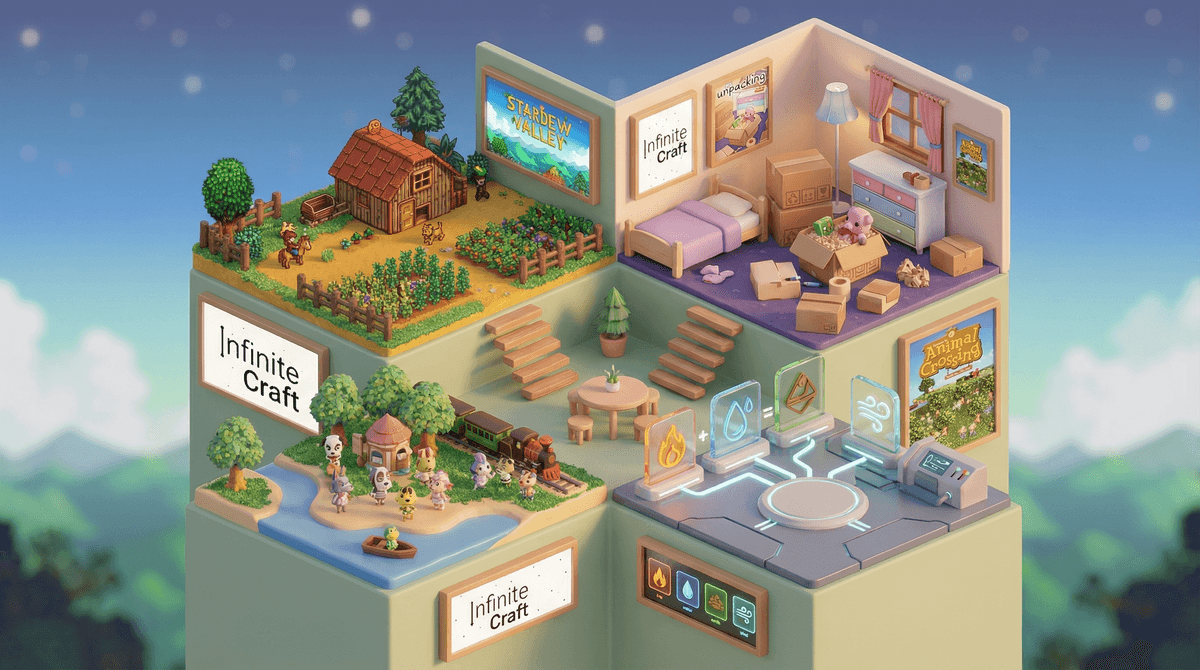
The gameplay loop is intentionally thin. You play as a customizable cat or dog, cast a line, and wait. That’s it. But that simplicity is the point. It’s the gaming equivalent of sitting on a porch with friends. If your kid is already into cozy games like Infinite Craft, they will recognize this vibe immediately. It’s low-stakes, high-social, and designed to be played while doing something else, like listening to a podcast or finishing homework.
The "Animal Crossing" comparison is a trap
At first glance, the lo-fi aesthetic and cute animal avatars make it look like a Nintendo clone. It isn't. While Animal Crossing is a curated, safe experience where the only "people" you meet are AI villagers or approved friends, Webfishing puts you in the deep end with the general public. That’s why this 'Animal Crossing' lookalike isn't just for kids.
There is a raw, unfiltered energy here that you won't find in big-budget titles. Because it’s an indie project from lamedeveloper, it lacks the massive, AI-driven moderation tools that a company like Epic or Roblox uses. The community is generally wholesome—the 97% positive rating on Steam doesn't happen by accident—but "generally wholesome" still leaves room for the occasional weirdo in the lobby. You’re essentially letting your kid walk into a public park. Most people are just walking their dogs, but you still want them to know what to do if a stranger starts acting creepy.
Specific friction to watch for
Despite the "Overwhelmingly Positive" labels, the game has some technical baggage. Players have noted it can be poorly optimized, meaning it might run like a toaster on older laptops. If your kid is complaining about lag, it’s likely the game, not your Wi-Fi.
More importantly, the "social" aspect is the only real draw. If you strip away the chat, the game is boring. There are no epic bosses or complex puzzles. If your kid is a solo gamer who hates talking to strangers, they’ll bounce off this in twenty minutes. But for the social butterfly, the risk is the "rabbit hole" effect. Because there’s no natural end point to a fishing session, "five more minutes" can easily turn into three hours of chatting about nothing.
How to use it well
If you’re on the fence, the best move is to treat it as a transitional game. It’s a great place to test whether a middle-schooler is ready for the broader internet.
- Start with "Friends Only" lobbies if they have a group from school.
- If they want to join public lobbies, have them show you how the block and report tools work first.
- Check in on the "yapping"—if the conversation is mostly about fish and music, they’re fine.
Ultimately, Webfishing is a rare bird in the modern gaming landscape: a cheap, $5 experience with no microtransactions that just wants you to relax. It’s the cozy multiplayer game where kids actually just... fish, provided you’re okay with them doing that fishing in a very large, very public pond.