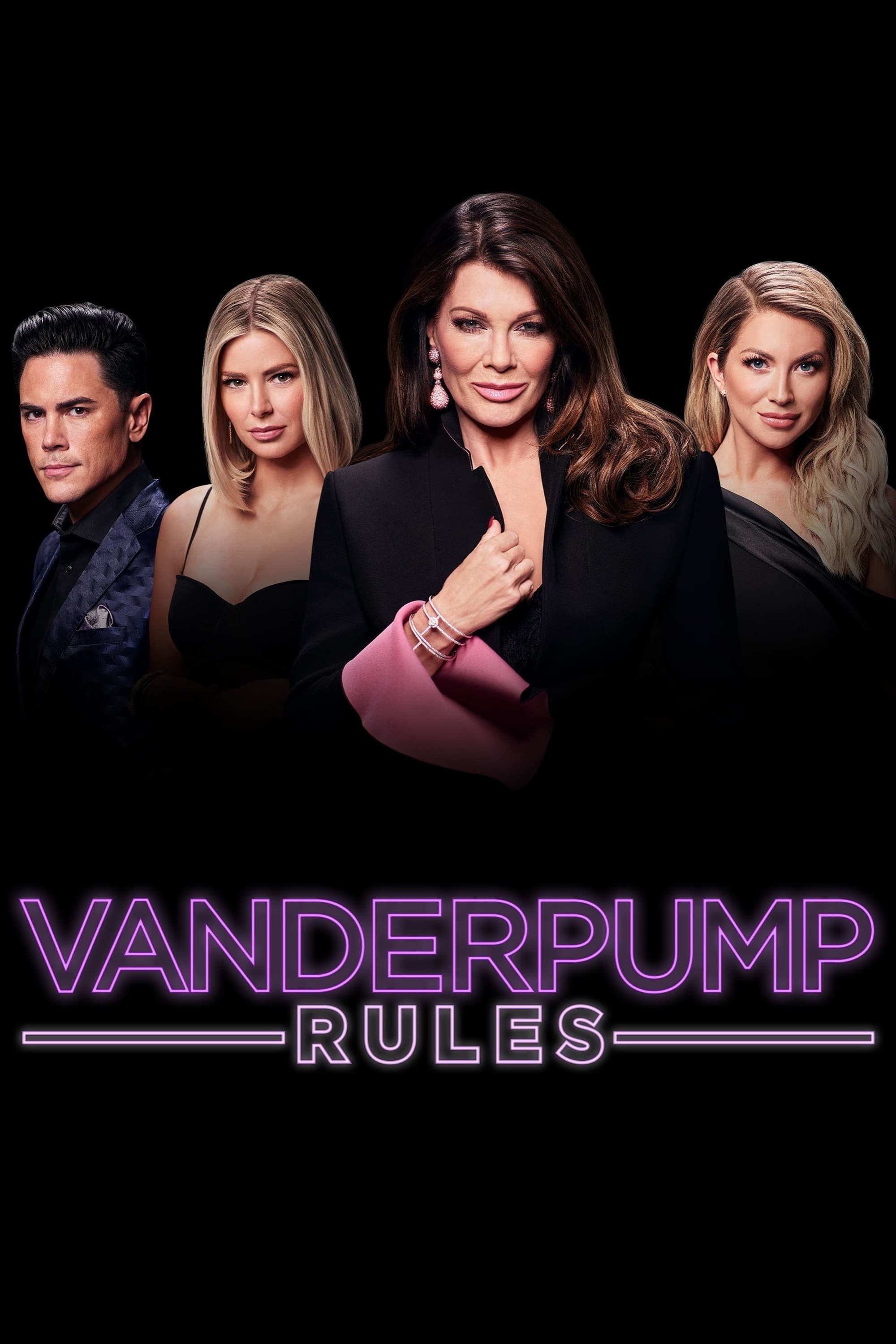
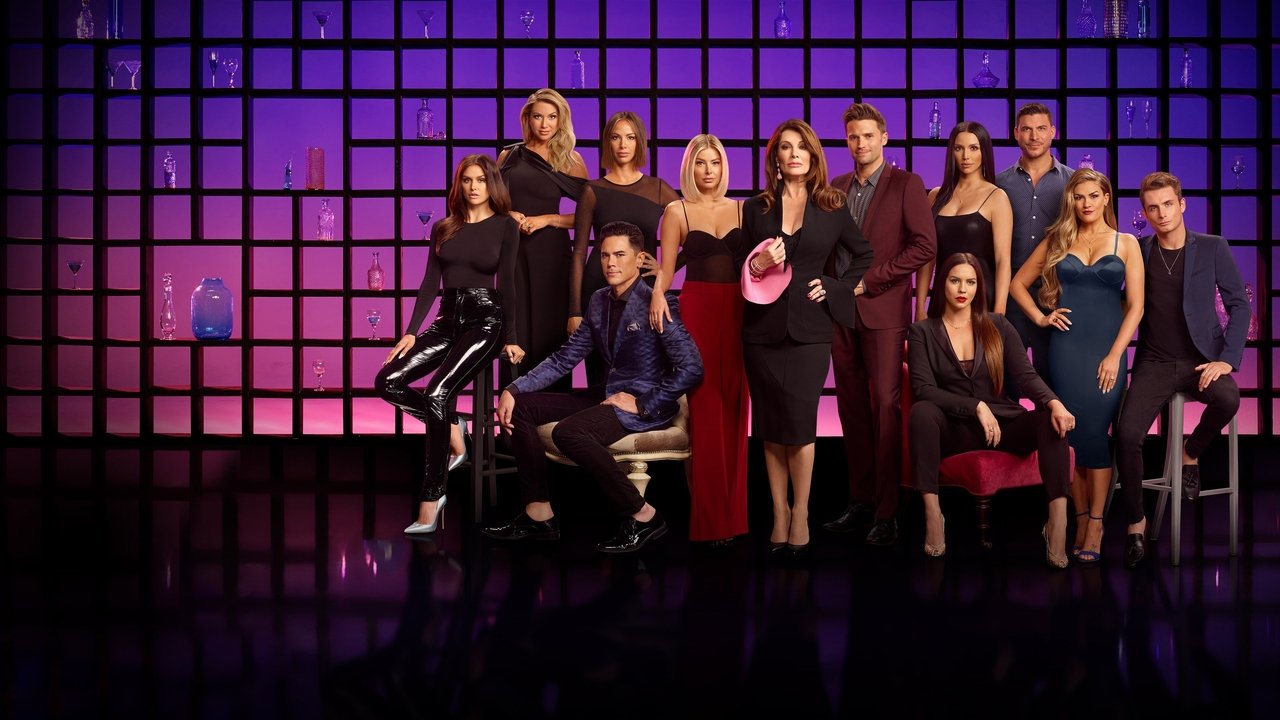
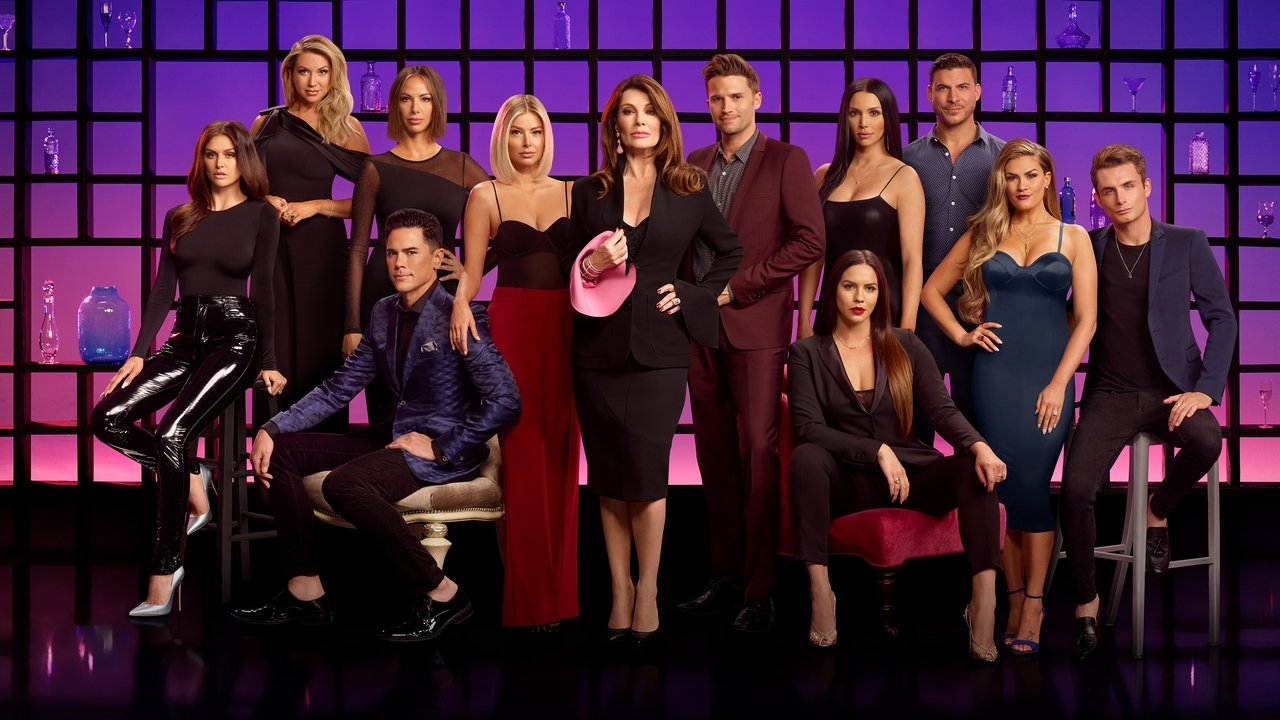
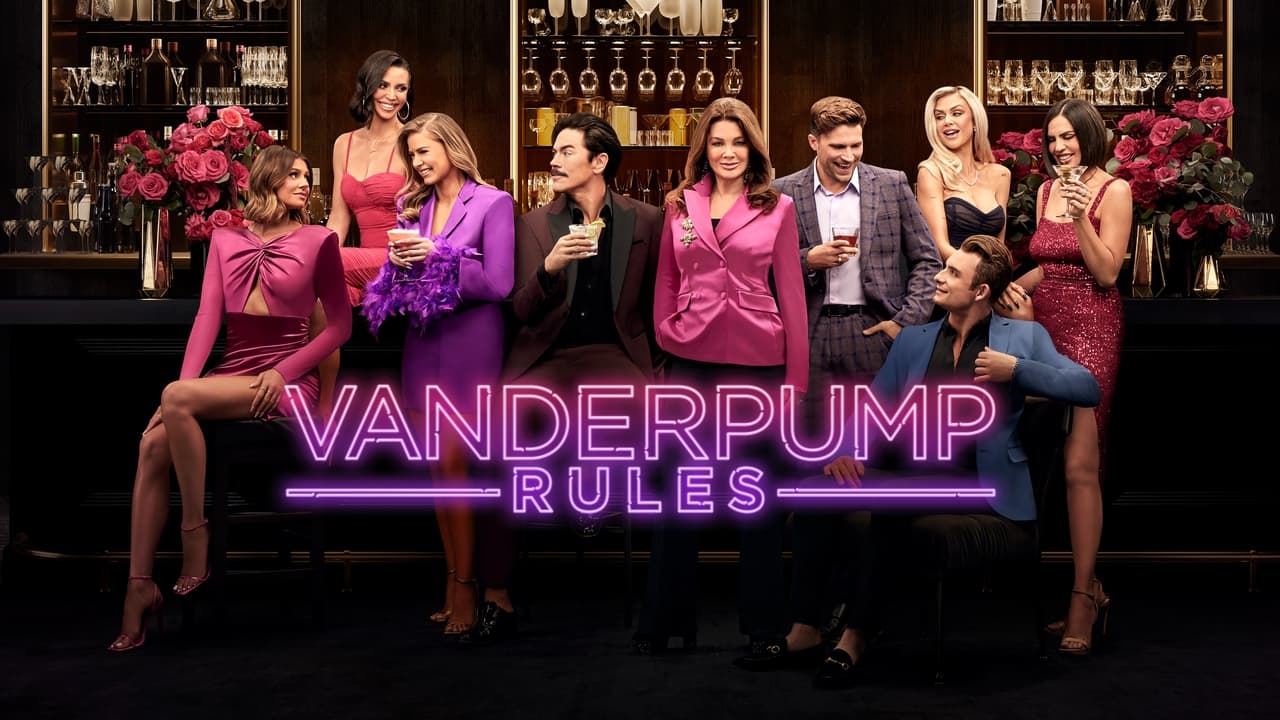
The SUR to stardom pipeline
What started as a show about a group of aspiring actors and models working at a West Hollywood restaurant has evolved into a masterclass in longevity. In the early seasons, the stakes were low—who stole whose shift, who cheated in a parking lot—but as the cast aged into their 30s and 40s, the drama became professional-grade. By the time the massive "Scandoval" cheating arc hit the cultural zeitgeist, the show had shifted from a niche reality hit to a genuine news cycle staple.
If you’re just jumping in now, the early years are a fascinating time capsule of 2010s nightlife. But for a parent in 2026, the real challenge isn't just the show itself; it’s the way the drama spills over into every corner of the internet. Even if your teen isn’t sitting through an hour-long episode on Peacock, they are almost certainly seeing the highlights, the memes, and the brand deals on their feeds. To understand the Vanderpump Rules: The New Generation and 'The Valley' era, you have to understand that these people are no longer waiters; they are influencers whose entire income depends on their ability to stay messy.
Why it’s the ultimate "hate-watch"
Most reality TV relies on a "hero" and a "villain" edit. Vanderpump Rules is unique because, eventually, everyone becomes the villain. There is a refreshing, if dark, honesty in how these people treat one another. They don't pretend to be role models. They don't even pretend to be particularly good friends.
The appeal is the schadenfreude. You aren't rooting for these people to succeed in their relationships; you're watching to see how they inevitably blow them up. It’s a loud, alcohol-fueled lesson in how not to communicate. If your teen is already into scripted dramas like Euphoria or Gossip Girl, this is the unscripted, less-glamorous version where the consequences are social media exile rather than dramatic cliffhangers.
The Bravo ecosystem
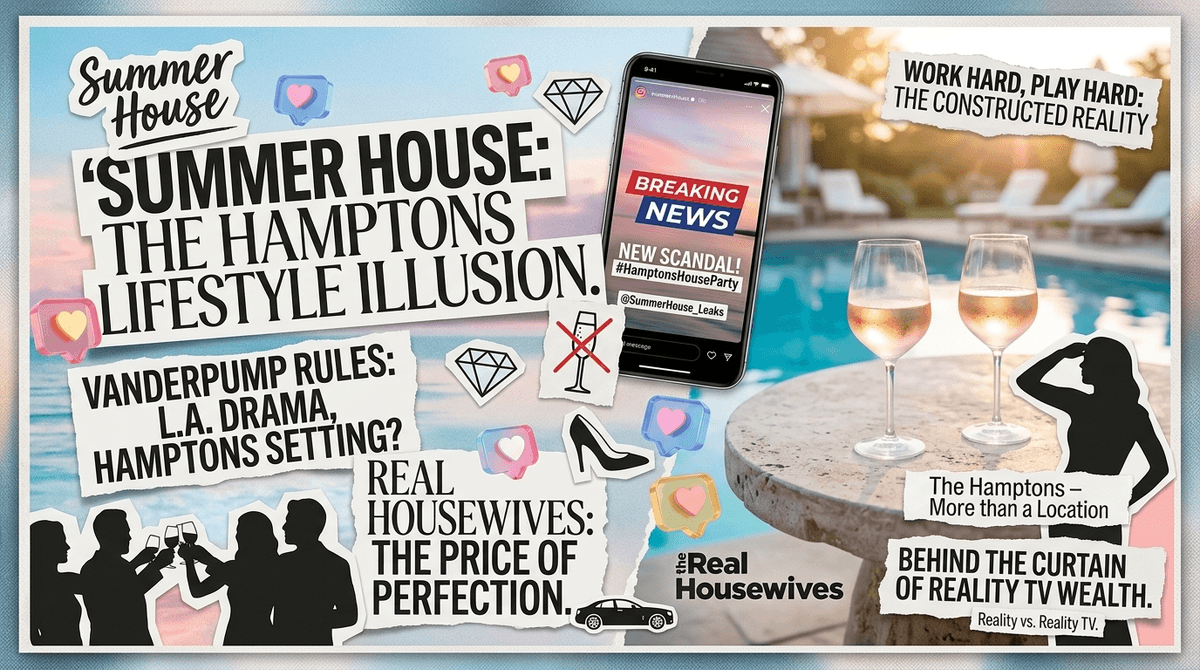
If this brand of chaos resonates, you’ll find similar vibes in the Hamptons "Work Hard, Play Hard" illusion of "Summer House". Both shows operate on the same fuel: a group of people who have been friends for too long, trapped in a house or a restaurant, fueled by an endless supply of rose and bad decisions.
The friction point for parents usually comes down to the normalization of toxic behavior. In the world of SUR, gaslighting isn't just a buzzword; it’s a tactical maneuver. If you decide to let an older teen watch, the best way to handle it is to treat it like a lab experiment. The show is at its best when it's being used as a conversation starter about what a healthy relationship definitely doesn't look like.
Don't expect a redemption arc. In this universe, the "good guys" are just the people who haven't been caught yet. It’s cynical, it’s loud, and it’s arguably the most addictive thing on television. Just don't be surprised if you find yourself Googling the cast's Instagram accounts at 2:00 AM to see who is still speaking to whom.