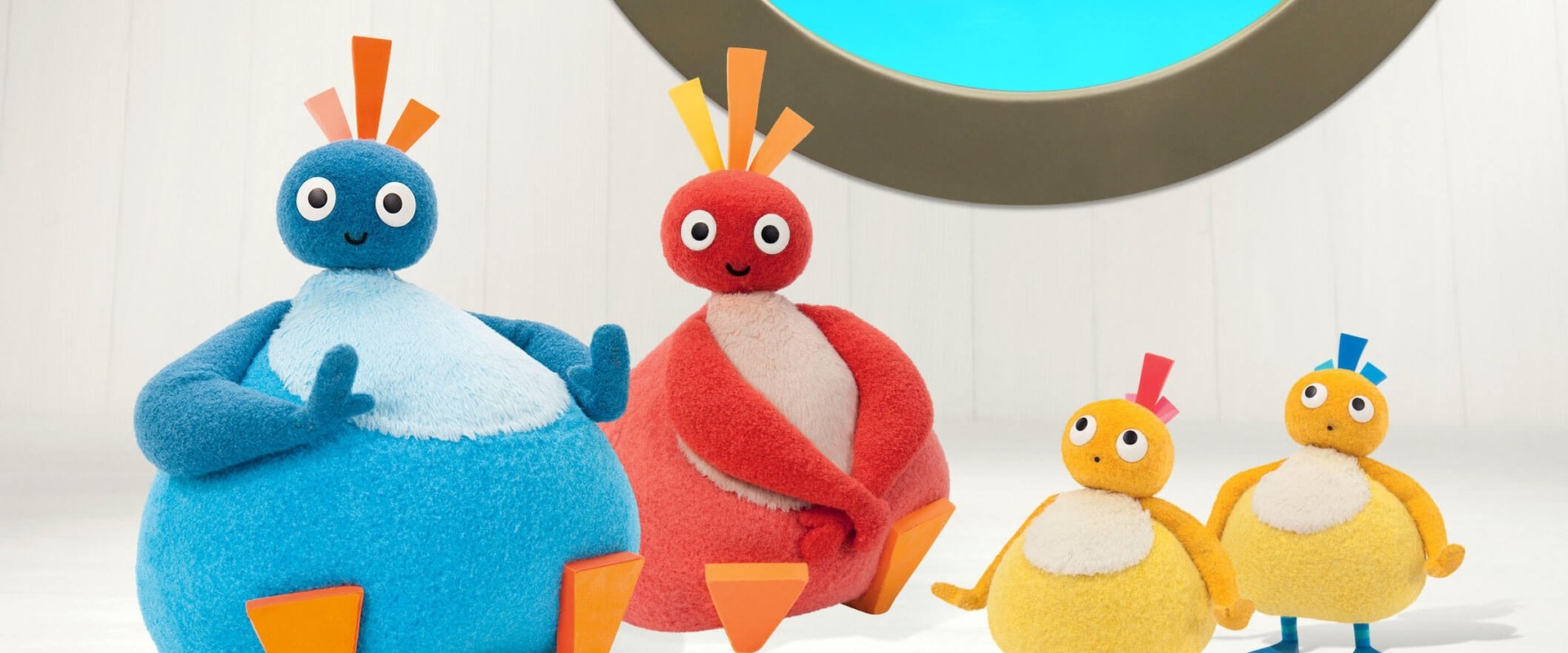
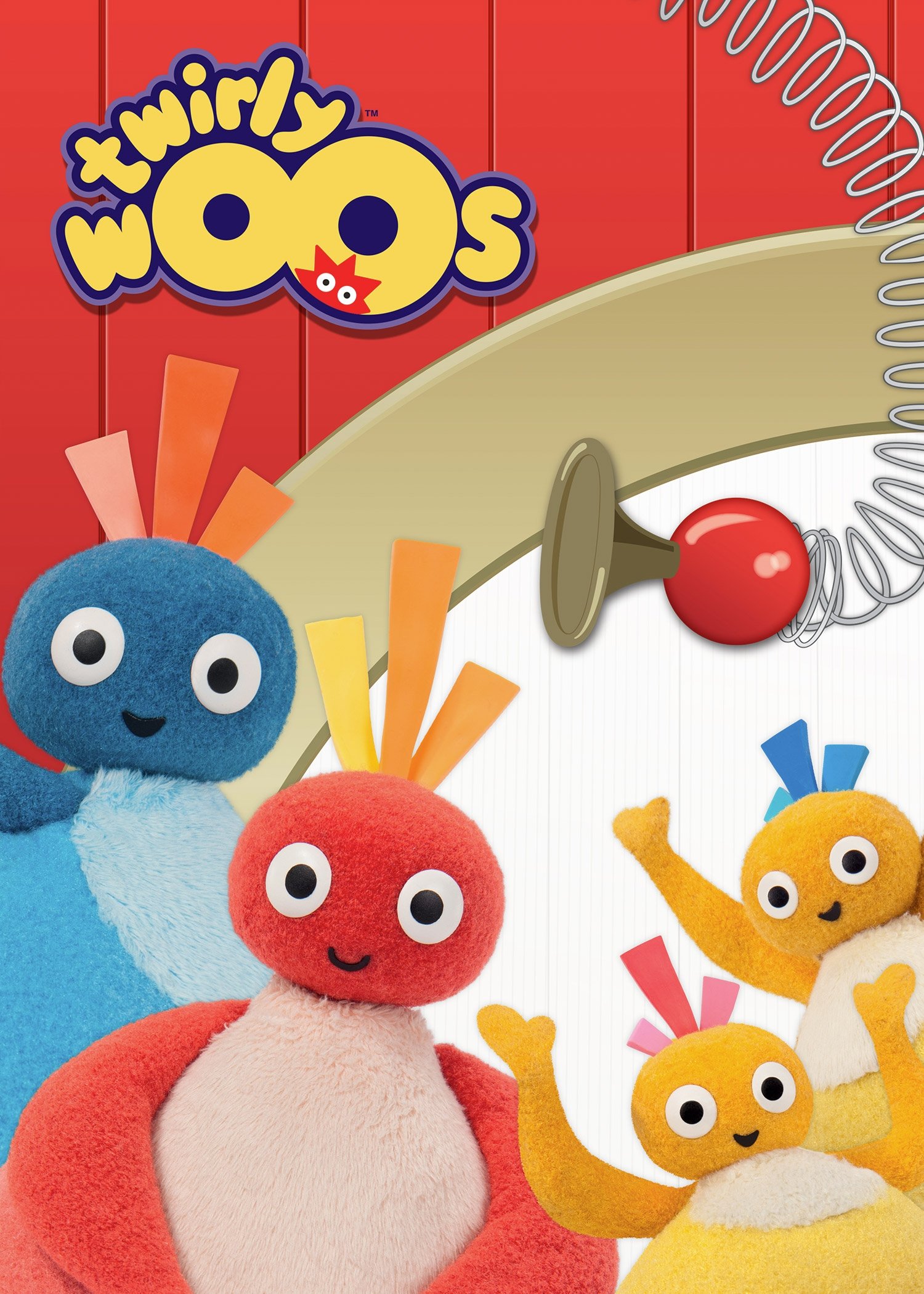
Twirlywoos feels like a fever dream designed by a developmental psychologist—which, to be fair, it basically is. Produced by Ragdoll, the same studio that brought the world the surrealist toddler-gold of Teletubbies, this show operates on a frequency that only someone under the age of four can fully hear.
If you’ve noticed your toddler getting overstimulated by the frenetic pacing of modern 3D animation, this is one of the calmer alternatives to Lucas the Spider for 2-year-olds that actually works. It doesn’t try to be cool. It doesn’t have a catchy pop soundtrack. It just has four bird-like creatures who are intensely interested in how a hinge works.
The chaos of curiosity
The structure is predictable, which is a toddler’s love language. The Twirlywoos—Great Big Hoo, Toodle-oo, Chickadee, and Chick—leave their Big Red Boat to visit the "real world." Once there, they observe a human doing something simple, like tying a shoe or filling a pitcher, and then they try to "help."
The humor is pure slapstick. Because the Twirlywoos don’t quite understand human logic, they end up creating mild, well-intentioned chaos. Watching the Very Important Lady or the Stop Go Car deal with the fallout of a Twirlywoo’s curiosity is the closest the show gets to high drama. For a two-year-old, a pitcher of water overflowing is a hilarious plot twist; for an adult, it’s a test of patience.
Why the "boring" parts matter
You will likely find the pacing glacial. There are long pauses. There is a lot of repetition. But there is a specific educational theory at play here called schemas. Kids at this age are obsessed with patterns: "transporting" (moving things from A to B), "enveloping" (covering things up), or "rotation" (spinning).
Each episode picks one of these and beats it to death. If the episode is about "under," you are going to see things go under tables, under rugs, and under hats for eleven straight minutes. It’s not meant to be a narrative masterpiece; it’s a functional tool. It mirrors the way a toddler’s brain actually processes physical space.
The "Peekaboo" factor
While the four main characters are the stars, the boat-dwelling creature Peekaboo is the one that usually keeps kids leaning in. Peekaboo is shy and hides, requiring the viewer to spot them before the Twirlywoos do. It’s a low-stakes version of hide-and-seek that builds confidence.
If your kid is already aging out of the "point at the screen" phase, Twirlywoos will feel like baby food. But if you are in the thick of the "why does my kid keep dropping their spoon on the floor?" phase, this show explains the "why" better than almost anything else on The Roku Channel. It’s a safe, quiet harbor in a very loud media landscape.