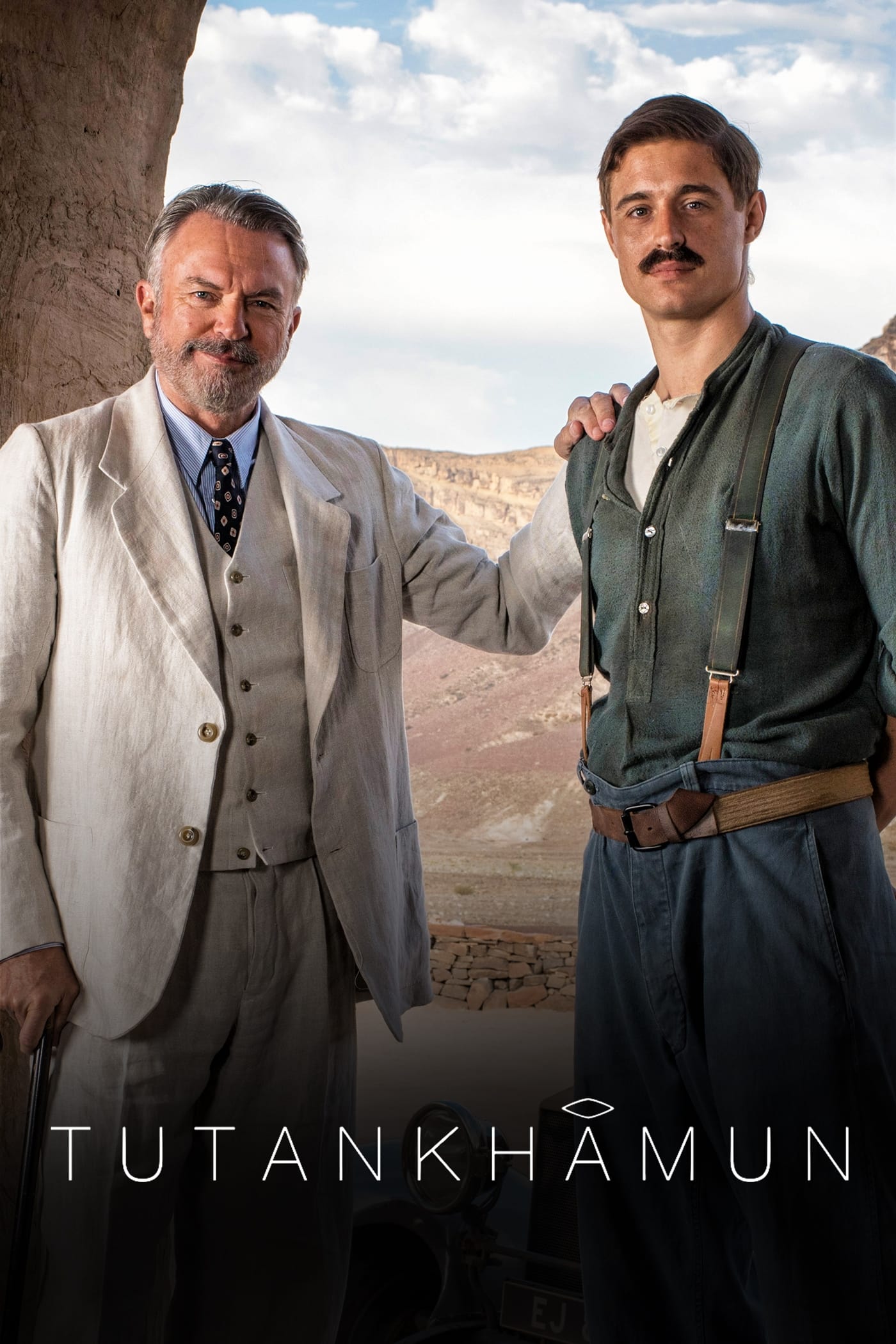
Archaeology without the action figures
If you are looking for a show where mummies jump out of sarcophagi or ancient curses melt people’s faces, keep scrolling. This is a British period drama through and through. It treats the discovery of the tomb not as a supernatural event, but as a grind. It’s about the years of failure, the heat, and the bureaucratic nightmares that Howard Carter faced before he finally saw "wonderful things" through a hole in a stone wall.
The show is essentially a character study of a man who is "penniless and ostracised," which is a great hook for a history buff but a tough sell for a kid used to the pacing of a modern Marvel movie. It captures the specific friction of early 20th-century archaeology—the colonial politics, the funding struggles, and the sheer physical labor of moving sand. If your kid is the type who actually enjoys the "detective work" part of a museum visit, they will find the payoff rewarding. If they just want the gold, they’ll be bored by episode two.
The "Downton Abbey" effect
Because this is a 2016 British production, it has a very specific aesthetic. Think high-collared shirts, dusty waistcoats, and a lot of meaningful looks over maps. The acting is solid, but the drama is often internal. We’re watching a man risk his reputation on a hunch.
For parents, the value here is in the accuracy of the struggle. It’s a useful counter-programming tool for the "Indiana Jones" version of history where artifacts are just prizes to be grabbed. Here, the process is the point. However, the Letterboxd score of 3.4 suggests that even for cinephiles, this isn't exactly groundbreaking television. It’s a safe, middle-of-the-road dramatization that works best as a supplement to a school unit on the New Kingdom.
Making it stick
If you decide to put this on, don't just leave it running in the background. It’s too slow for that; it’ll just become white noise. This is a "watch together" show where you can talk about the ethics of the era. The show touches on the relationship between the British explorers and the Egyptian landscape, which is a perfect jumping-off point for a conversation about who "owns" history.
If your tween finds the 1922 setting a bit too dusty, you might want to pivot to more modern ways of seeing the Boy King. We’ve seen a massive surge in interest lately, and our Tutankhamun: A Parent’s Guide to the 2026 Renaissance covers the high-tech VR tours and museum experiences that make this history feel a lot more visceral than a decade-old TV show can.
Ultimately, this series is for the kid who wants to know how the discovery actually happened, step by painful step. It’s a slow-burn win for the right kind of nerd, but a total snooze for everyone else.