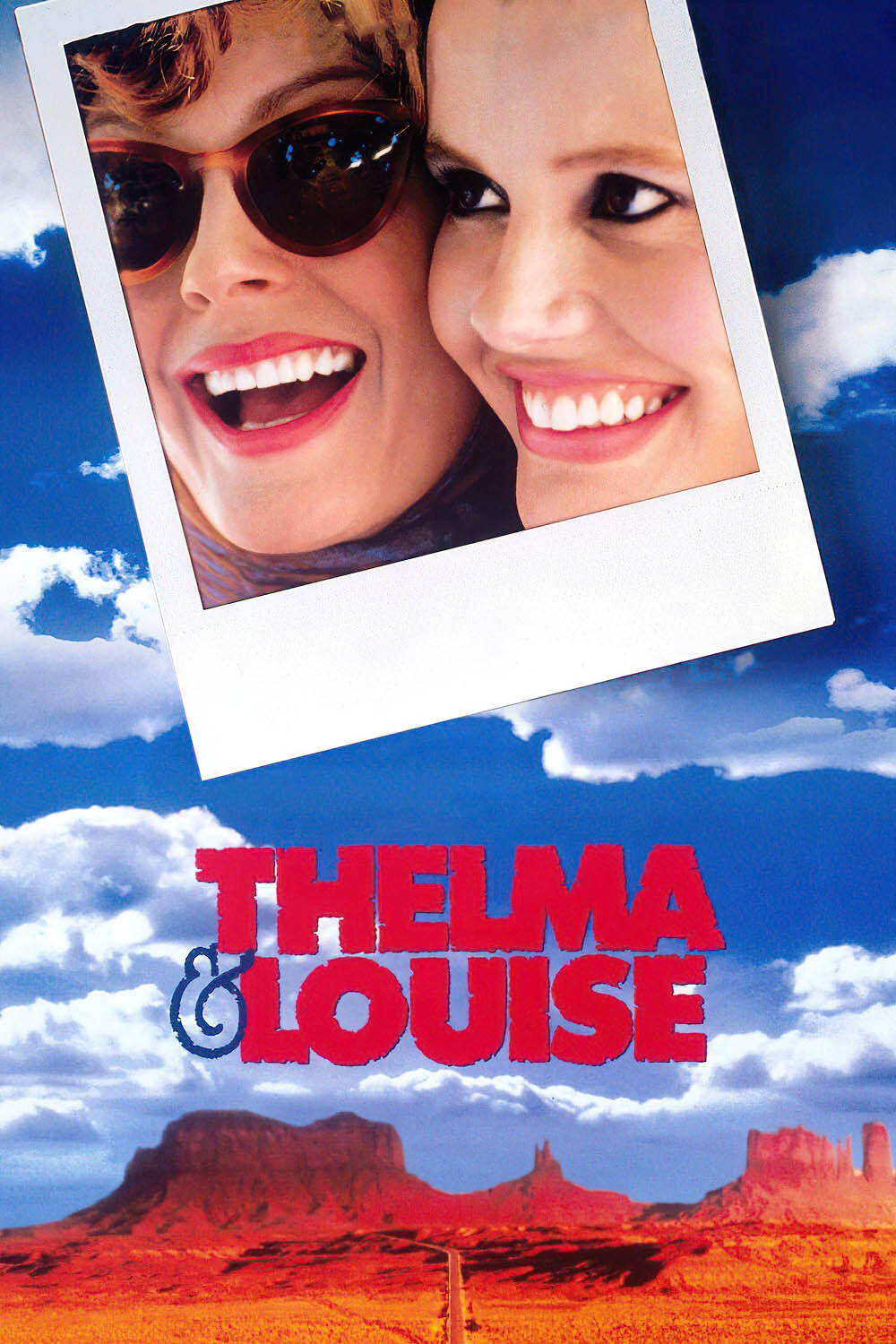
Most movies about "finding yourself" involve a yoga retreat or a quiet montage in a bookstore. Thelma & Louise decides that finding yourself is only possible once you’ve burned every bridge back to your old life. It is effectively a Western, just swapped into a 1966 Thunderbird. Instead of horses and saloons, you have gas stations and dusty highways, but the core remains the same: two people realizing the law wasn't built for them, so they might as well stop following it.
The pivot from comedy to tragedy
The first twenty minutes might trick you. It feels like a standard "girls' weekend" flick—bad outfits, big hair, and a suitcase full of snacks. But the moment they hit that parking lot outside the bar, the movie shifts into a high-stakes thriller that never lets up. What makes it work, and why it holds an 89 on Metacritic, is that the stakes feel earned. When Louise makes her split-second decision, you don't roll your eyes at a "movie mistake." You feel the weight of her history, even though the film is smart enough to never fully spell out exactly what happened to her in Texas. It trusts the audience to keep up.
The breakout factor
You can’t talk about this movie without mentioning the hitchhiker. While the provided bullets mention "Brad Pitt's abs," the actual performance is what matters for the plot. He’s the catalyst that turns Thelma from a flighty, repressed housewife into a woman who can rob a convenience store with terrifying charisma. Watching her transformation is the real engine of the second half. If your teen has seen modern "strong female lead" movies that feel like they were written by a marketing committee, show them this. Thelma isn't born a badass; she's forged by a series of increasingly desperate situations.
A masterclass in the "Open Road"
The cinematography does a lot of the heavy lifting here. The desert isn't just a backdrop; it’s a character that starts off looking like a playground and ends up looking like a dead end. The scale of the landscape makes their small car look insignificant, which mirrors how the "system"—represented by the wall of police cars—is slowly closing in.
If your kid liked the high-octane survivalism of Mad Max: Fury Road or the gritty "us against the world" vibe of Queen & Slim, this is the blueprint. It’s a movie that asks a very uncomfortable question: is it better to be safe and miserable, or free and doomed? It’s a loud, dusty, beautiful mess of a movie that stays with you long after the final frame freezes. It doesn't ask for your approval; it just demands you watch.