The Holmes and Watson of the Industrial Revolution
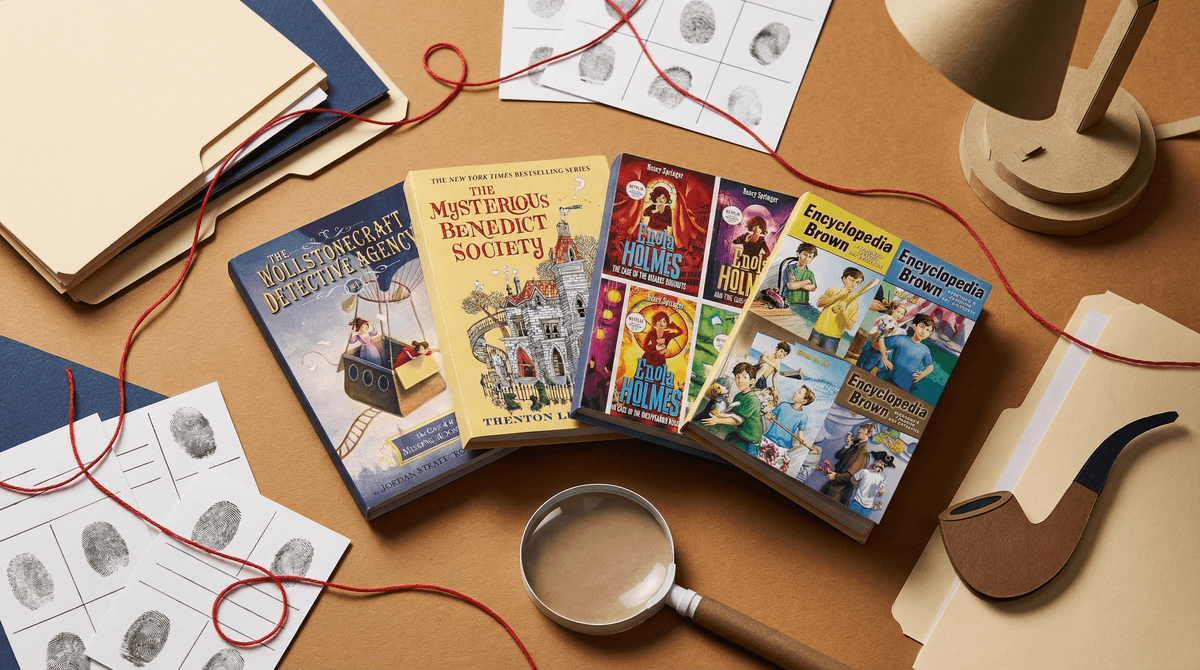
If you’ve spent any time looking for mystery books for young sleuths, you know the genre usually splits into two camps: the "spooky supernatural" type and the "gritty crime" type. The Wollstonecraft Detective Agency finds a third way. It’s essentially a Victorian-era buddy cop story, but the cops are a math prodigy and a romantic dreamer who grow up to be the world's first computer programmer and the author of Frankenstein.
Jordan Stratford doesn't just name-drop these historical figures for clout. He uses the actual personalities of Ada Lovelace and Mary Shelley to drive the plot. Ada is the logic-driven engine who sees the world in numbers and algorithms, while Mary provides the emotional intelligence and social navigation. It’s a "Sherlock and Watson" dynamic where both girls are equally essential. If your kid is the type who constantly asks "why?" or tries to find the loophole in every household rule, they’re going to see themselves in Ada’s blunt, analytical brain.
The "Secret Sauce" of STEM Integration
Most "educational" fiction feels like a textbook with a thin veneer of story. This series avoids that trap by making the STEM elements part of the mechanics of the mystery. Ada doesn't just solve crimes because she's "smart"; she uses specific logical frameworks and early scientific methods.
This makes it a secret weapon for getting kids into STEM because it frames math and science as tools for agency. In the 1820s, these girls had almost zero power. By using their brains, they outmaneuver adults and criminals who underestimate them. It’s a high-stakes way to show that being "the smart kid" isn't just about getting A's—it’s about having a superpower that lets you control your environment.
Pacing and the "Victorian Friction"
While the 4.5 rating on Amazon is well-earned, you should know that this isn't a breezy, five-minute-chapter read. The language is sophisticated. Stratford uses a vocabulary that respects the intelligence of his readers, but that means it might be a slog for kids who are used to the rapid-fire pacing of graphic novels or "diary" style books.
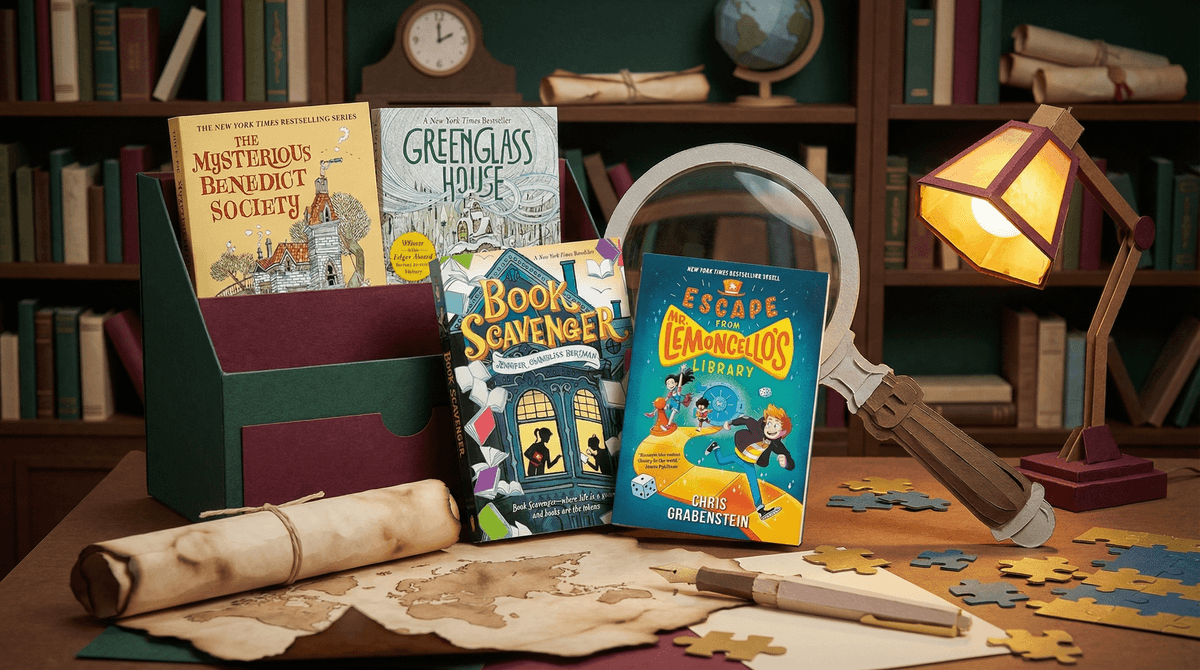
If your kid loved The Mysterious Benedict Society or A Series of Unfortunate Events, they’ll be right at home here. The prose is witty and slightly dry. However, if they struggle with historical context or longer descriptive passages, you might want to start this as a read-aloud. Once they get used to the rhythm of the 19th-century setting, they usually find the humor—especially Ada’s total lack of social filter—is actually quite modern and funny.
Why the Backmatter Matters
Don't let your kid skip the "History vs. Fiction" section at the end of the books. In an era where "fake news" is a constant talking point, these sections are a brilliant lesson in source literacy. Stratford is very transparent about what he changed for the sake of the story and what actually happened in history. It turns the book into a game of "spot the truth," which usually leads to kids Googling the real Ada Lovelace or looking up what a "Difference Engine" actually was. It’s rare to find a series that manages to be this fun while still being so intellectually honest.