The "Oppenheimer" of alien invasions
Most sci-fi treats an alien threat like a localized disaster or a dogfight in the sky. This show treats it like a math problem. It takes the "hard" in hard science fiction seriously, which is exactly why it appeals to teens who are tired of being talked down to by generic blockbusters. The stakes aren't just about who survives a battle; they're about whether humanity even deserves to exist if we know we’re outmatched.
The story moves across decades, starting with the Chinese Cultural Revolution and landing in a modern-day Britain where the world's top physicists are dying under mysterious circumstances. If your teen enjoyed the intellectual weight of Oppenheimer or the "solve the puzzle" energy of Arrival, they’ll be hooked. It’s a show that rewards people who pay attention to the dialogue rather than just waiting for the next explosion.
Why the "Oxford Five" matter
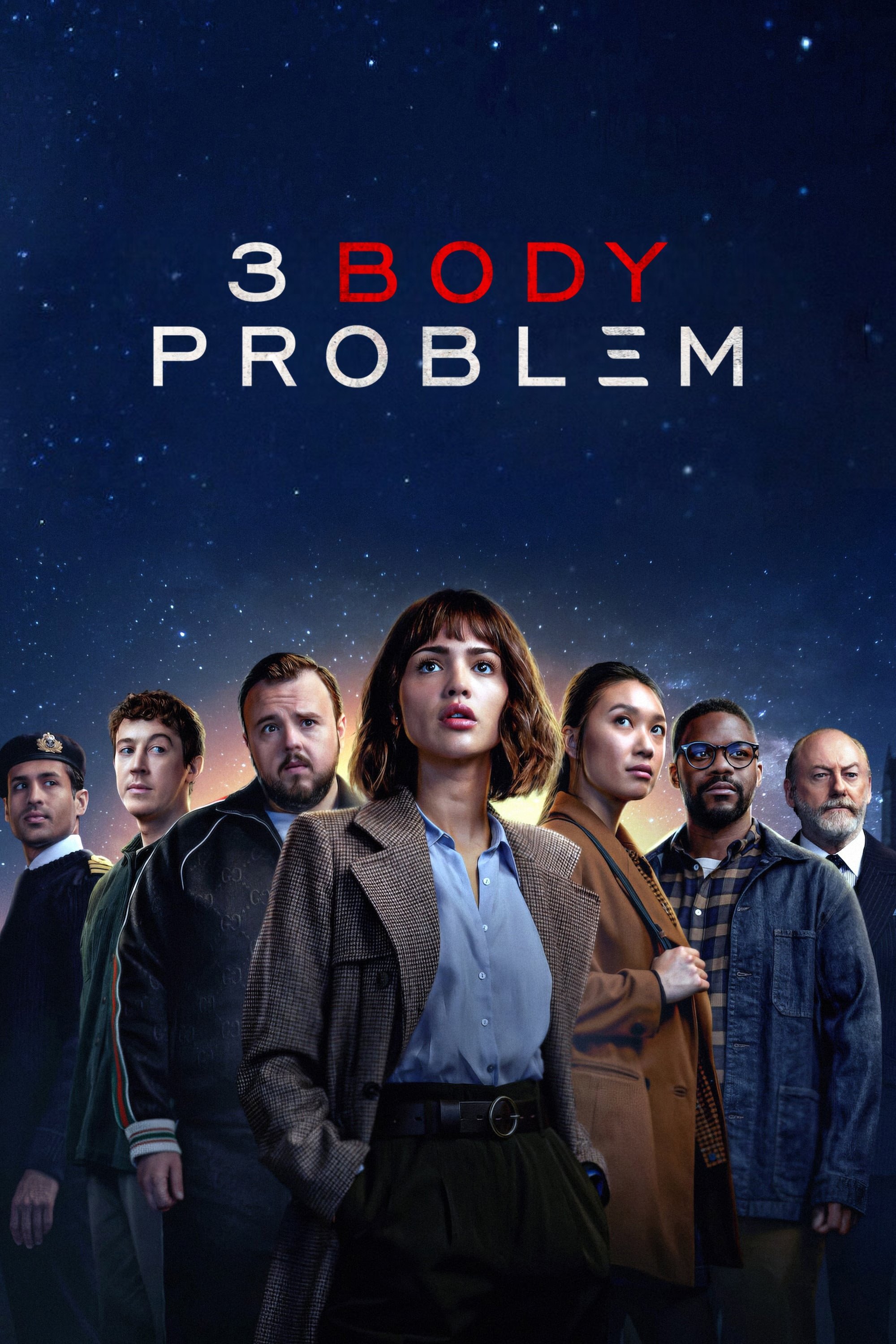
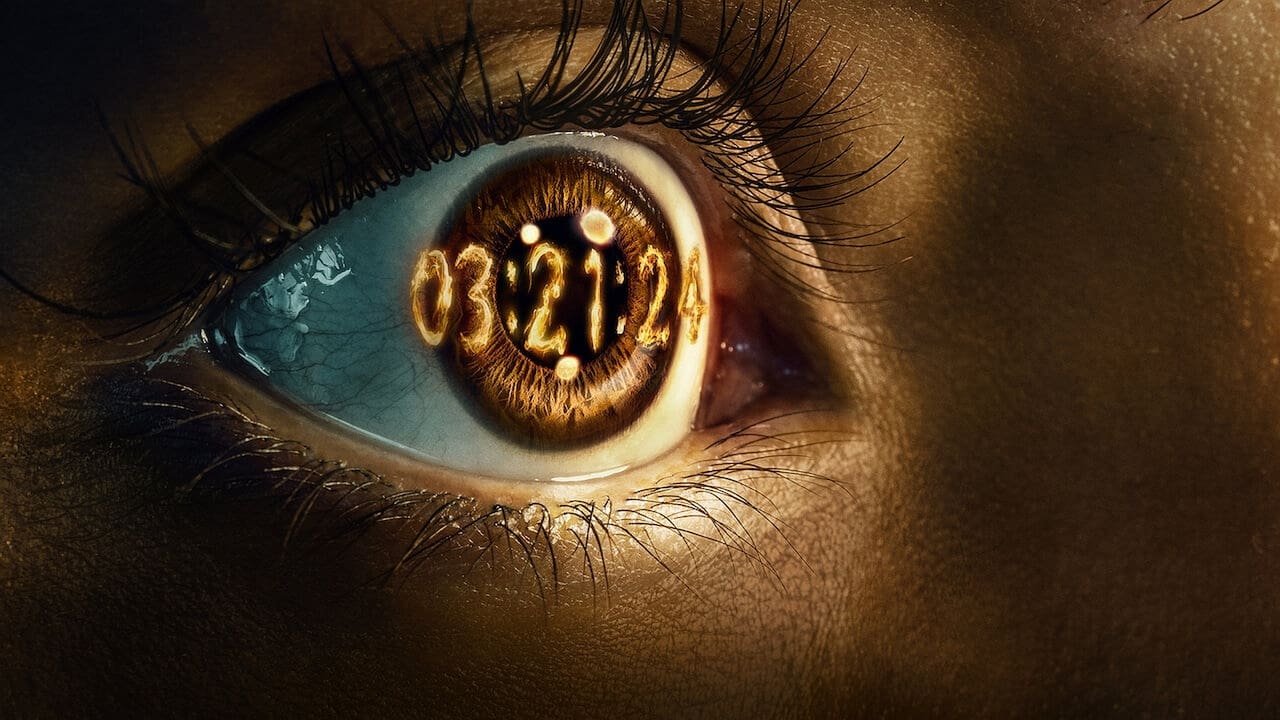
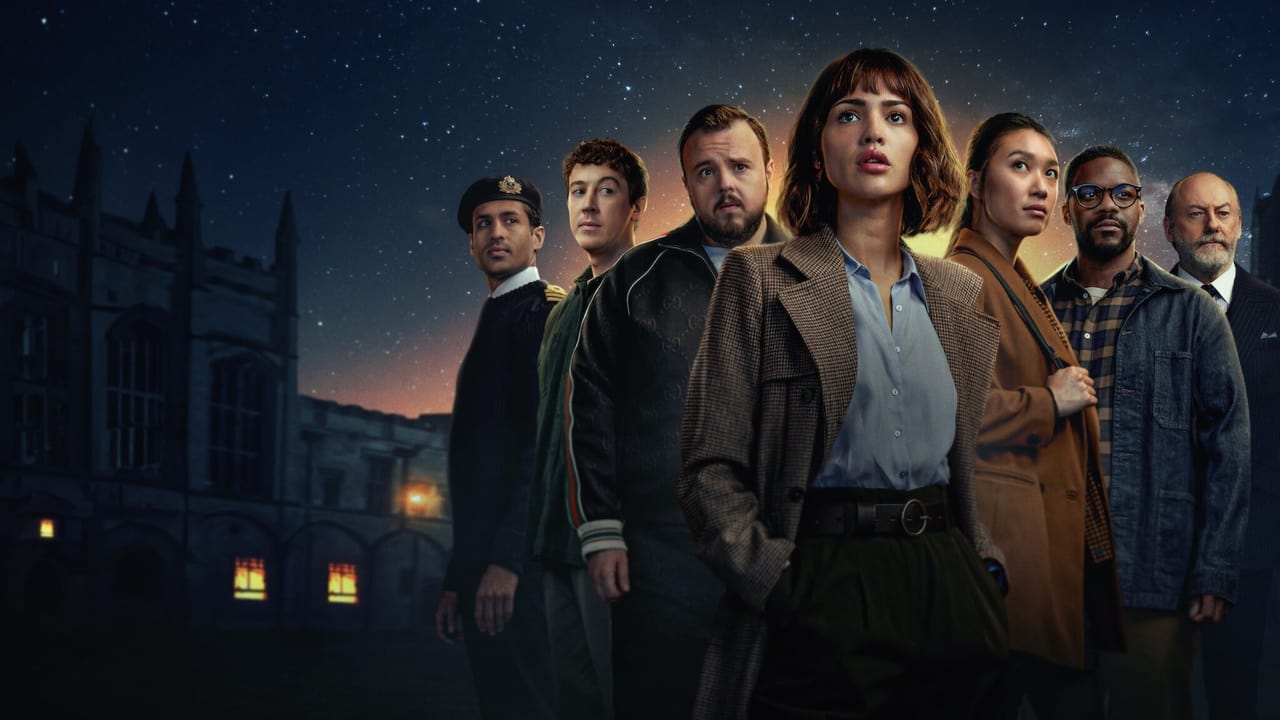
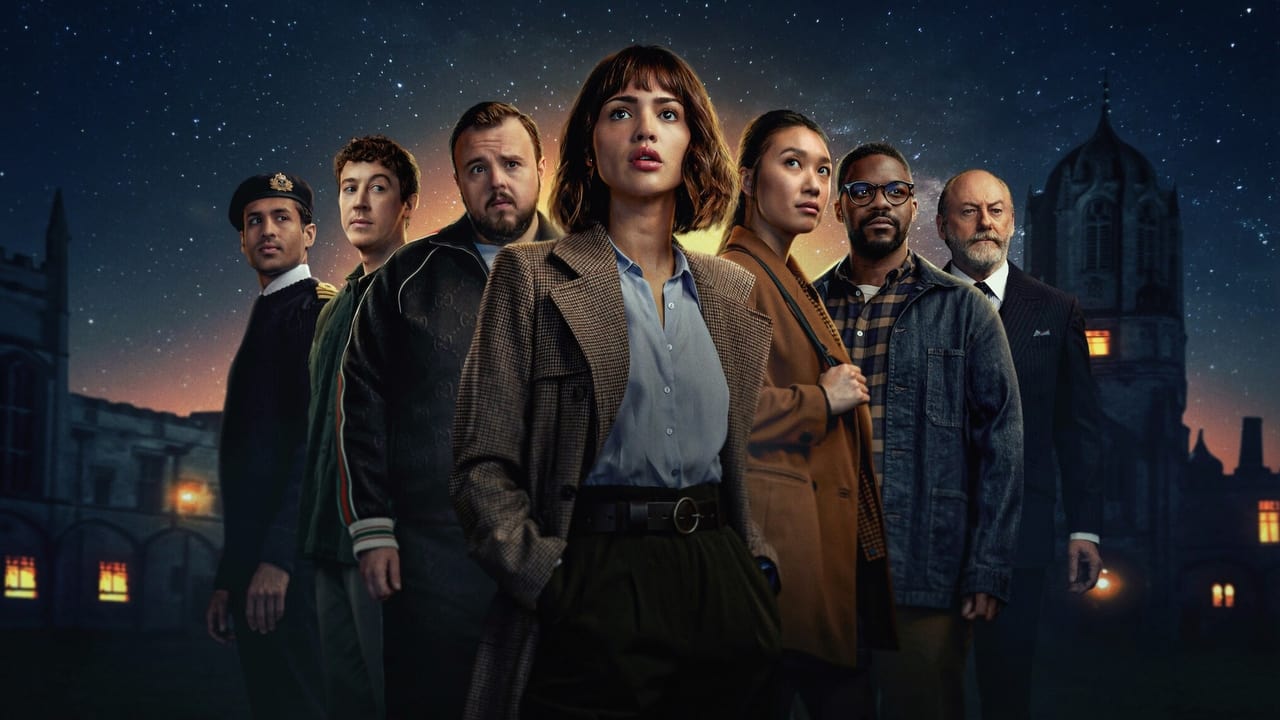
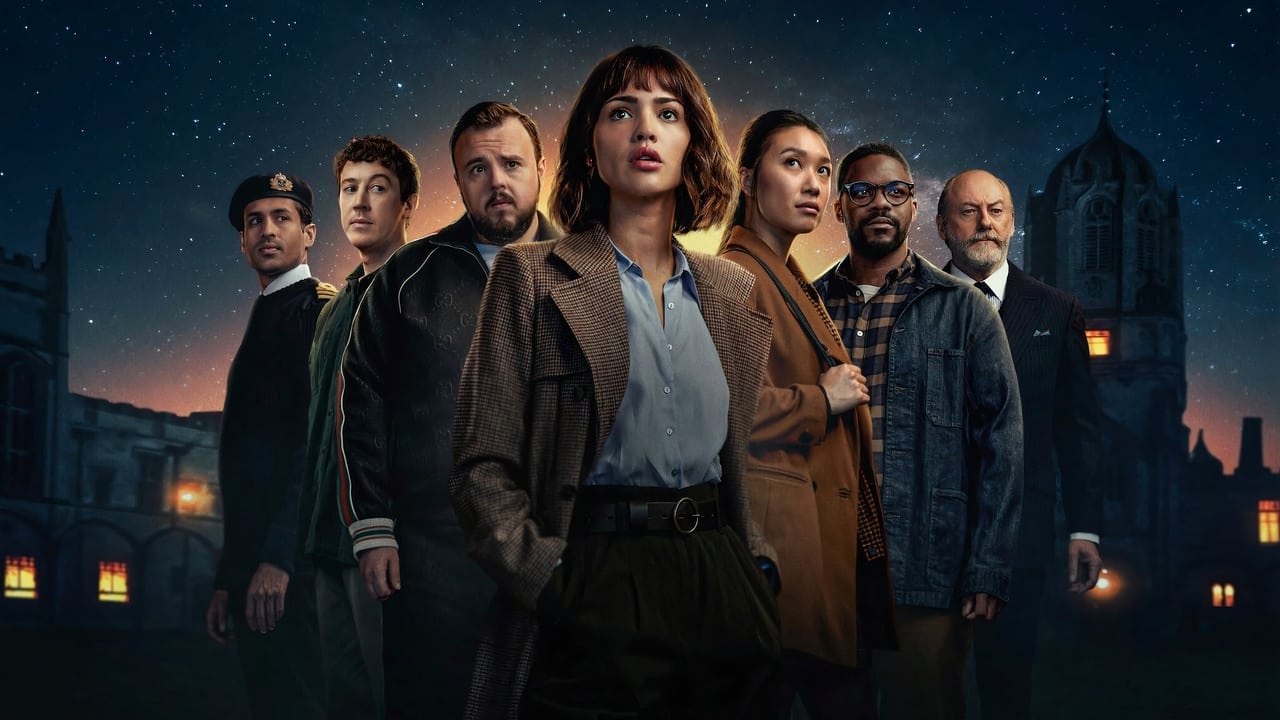
The heart of the show is a group of friends known as the Oxford Five. This was a smart move for the TV adaptation because it gives us a relatable anchor. In the original books, the concepts can feel a bit cold and academic. Here, we see how an existential threat actually wrecks a friend group. One character is trying to build a business, another is mourning a mentor, and another is literally seeing a countdown in their field of vision.
This human element makes the heavy physics—like the idea that the entire universe might be "blinking" at you—feel visceral rather than theoretical. It turns a story about orbital mechanics into a story about loyalty and what you do when you realize the world as you know it is ending.
The VR friction
A huge chunk of the first season takes place inside a hyper-advanced VR game. For a generation raised on high-fidelity gaming, these sequences are a highlight. They aren't just there for eye candy; they function as a recruitment tool for the "smartest" humans.
If your kid spends a lot of time thinking about game design or immersive tech, they’ll appreciate how the show uses these levels to explain complex history and science. It’s a clever way to handle exposition without the characters just standing around a chalkboard. For more on how to bridge these high-concept themes with what your teen is already reading or watching, check out our guide on The Three-Body Problem and Mind-Bending Sci-Fi for Teens.
Dealing with the dread
There is a specific kind of "cosmic horror" here that hits differently than a slasher movie. The violence, when it happens, is clinical and merciless. The "Judgment Day" sequence involving the nano-fiber wire is a prime example. It’s not a "cool" action scene; it’s a horrifying display of technology used with zero emotion.
This isn't a show for a casual family movie night where you want everyone to leave feeling inspired. It’s a show about the long game. The aliens aren't arriving tomorrow; they’re arriving in 400 years. That premise alone is a fantastic conversation starter for a 16-year-old. It forces them to think about legacy, climate change, and whether we owe anything to people who won't be born for another four centuries. If they can handle the graphic nature of the "hard" scenes, the philosophical payoff is massive.