The DNA of the modern blockbuster
If you’ve ever wondered where George Lucas got the idea for the burning homestead in Star Wars or why every modern "prestige" action movie features a protagonist who is more of a jerk than a hero, this is the source code. The Searchers is the movie that essentially invented the trope of the obsessed, broken man on a mission. It’s the reason critics on Metacritic have it pegged at a 94—it changed how movies were shot and how stories were told.
But for a modern kid, that historical weight doesn't always translate to a fun Saturday night. If your teen is a fan of the "grumpy guy protects a kid" dynamic in things like The Mandalorian, they might find the visual parallels fascinating. However, they'll also find a version of John Wayne that is jarringly different from his usual "hero of the West" persona. He isn't here to save the day; he’s here to burn everything down.
The "Common Sense" 11+ trap
The age rating of 11+ from Common Sense Media is, frankly, a relic of a time when "Western" was synonymous with "family-friendly." It’s a mistake to take that number at face value. While the film lacks the visceral, bloody carnage of something like The Untouchables, its psychological violence is much heavier.
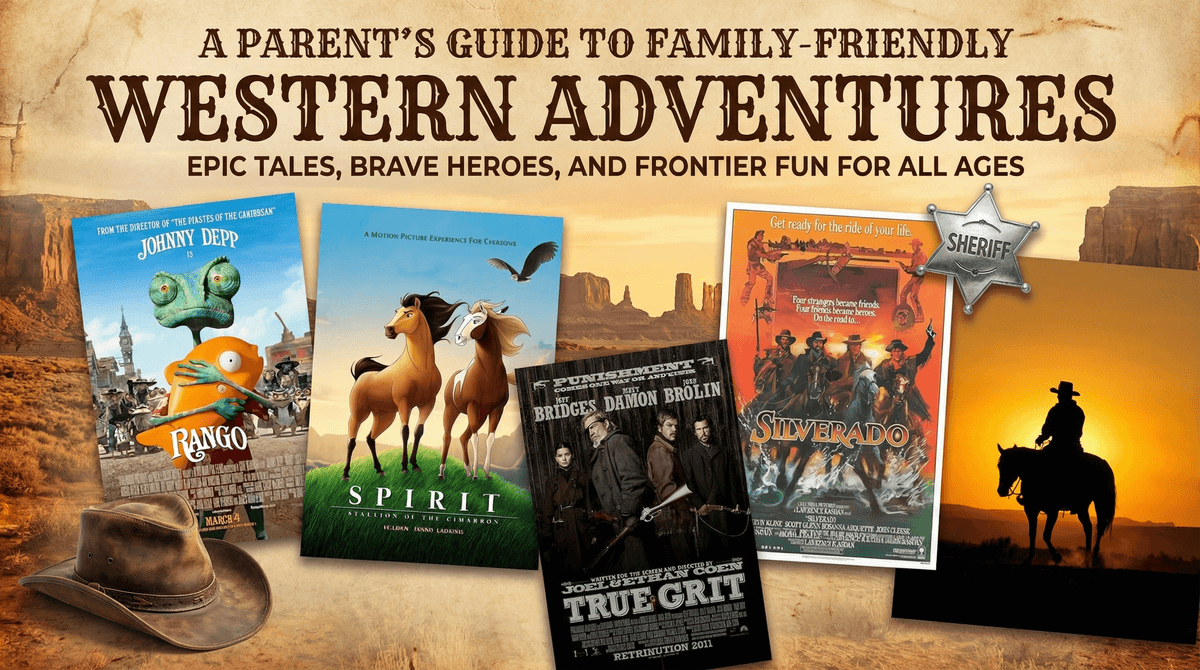
The core conflict isn't just a rescue mission; it's the fact that the protagonist wants to kill the person he's supposed to be "saving" because she has lived with the Comanches too long. That’s a level of dark that most 11-year-olds aren't prepared to unpack without a lot of heavy lifting from you. If you’re looking for the classic cowboy vibe without the psychological trauma, you’re better off browsing the 12 best western movies for kids.
Why it feels "slow" (and why that matters)
We’re used to movies that move at a clip, but John Ford’s pacing is intentional and, for lack of a better word, exhausting. The movie takes place over years, and you feel every single one of them. The characters age, the seasons change in Monument Valley, and the hopelessness of the search sets in.
For a film student, this is a masterclass in using landscape to show a character's internal state. For a casual viewer used to TikTok-speed editing, it can feel like watching paint dry in the desert. If you do decide to watch this with an older teen, treat it like an event rather than a casual stream. It’s a movie that demands you look at the corners of the frame.
The "Ethan Edwards" conversation
The thing that will stick with you—and the thing your kid will likely ask about—is the ending. John Wayne’s Ethan Edwards is left standing in a doorway, framed by the darkness of the house while the "civilized" family celebrates inside. He’s a man who did a "necessary" thing but is too toxic to actually live in the world he helped create.
It’s a perfect entry point for talking about how we view "heroes" and how the stories we tell about the American West have changed over 70 years. Just be prepared: the racism isn't a side plot; it's the engine of the movie. If you aren't ready to talk about why the protagonist is a bigot, don't press play.