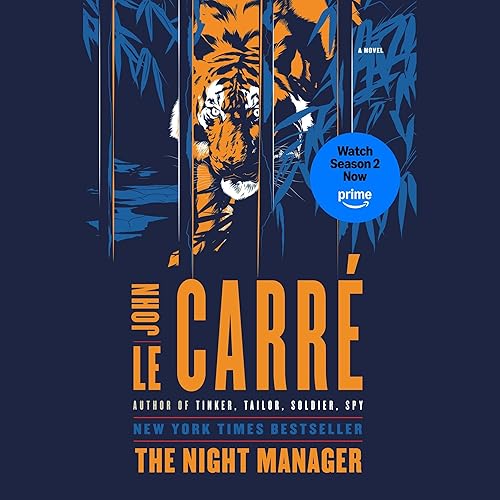
The Post-Cold War Pivot
John le Carré wrote this in 1993, right when the old, comfortable rules of the Cold War were evaporating. For a long time, spy novels had clear teams. This book threw that out the window. It focuses on the "unholy alliance" between intelligence agencies and the private arms trade. If your teen is tired of the sanitized, high-tech spy tropes found in modern action movies, this is the antidote.
It’s not a book about gadgets or world-saving heroics. It’s about the cost of keeping a clean conscience in a dirty business. The protagonist, Jonathan Pine, is a night manager at a luxury hotel who gets pulled into a sting operation against a man described as "the worst man in the world." The tension doesn't come from ticking bombs but from the constant, crushing fear of being found out.
The "Pine" Problem
Pine isn't your standard action hero. He’s a man driven by a mix of genuine moral outrage and a somewhat self-destructive need for redemption. This makes him a much more interesting character for a mature reader to analyze. He isn't always likable, and he isn't always right.
Le Carré’s prose is dense and requires a certain level of literary stamina. This is the book for the kid who reads the news and asks who actually profits from global instability. If they’ve already encountered the famous TV adaptation with its star-studded cast, they might find the book a bit slower, but the payoff is much grittier. If they are looking for more context on the newer chapters of this story, you should check out our parent's guide to The Night Manager Season 2 to see how the narrative evolves for a modern audience.
For the Reader Who Wants the Truth
The friction here isn't just the violence—which is present and often quite blunt—but the moral weight. Le Carré doesn't offer easy endings. The "good guys" in the British and American governments are often just as self-serving and bureaucratic as the villains are cruel.
- It’s a great bridge for a teen moving from YA fiction to "serious" literature.
- It forces a conversation about whether the ends ever justify the means.
- It provides a cynical but necessary education on how international power actually functions behind closed doors.
If your kid has spent years with the I Survived series and is ready for something that deals with real-world peril on a global scale, this is a massive step up. While we have a guide to the intensity of the I Survived books, The Night Manager is for the reader who has completely outgrown those survival scenarios and wants to understand the systems that create the danger in the first place. This is a grown-up book in every sense of the word. It demands patience, but it rewards it with a story that stays with you long after the final page.