The "Coco" connection and the slow burn
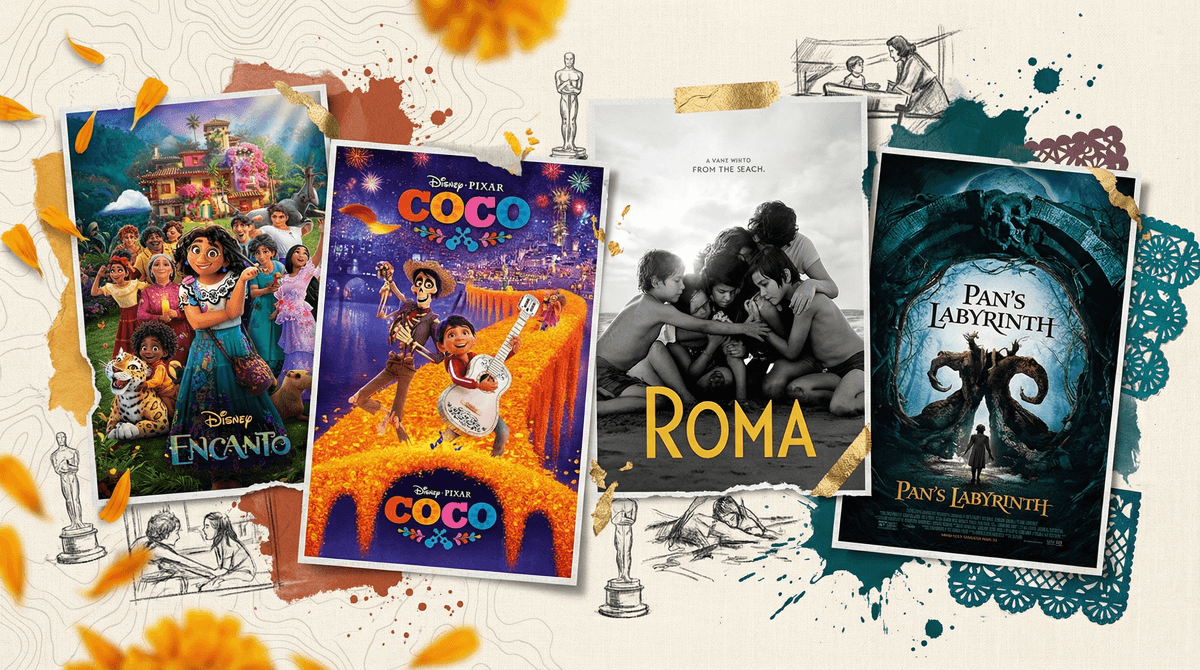
If you’re trying to sell this movie to a teenager who isn't exactly hunting for 20-year-old Spanish-language biopics, start with the lead actor. Most kids today know Gael García Bernal as the voice of Hector in Coco or from his more recent turns in the MCU. Seeing him here as a sweaty, asthmatic medical student is a great way to bridge that gap. We actually have a guide to Gael García Bernal’s career that helps track his move from indie darling to Disney staple.
But be honest with them: this is the anti-TikTok travel vlog. There are no jump cuts, no high-energy montages, and the "influencer" in question is riding a bike that falls apart every few miles. For a generation used to 15-second bursts of content, the first hour of this movie might feel like a chore. It’s a slow-burn road movie where the scenery does as much talking as the characters. If they can get past the lack of explosions, they’ll find a story that actually respects their intelligence.
Why the "Che" of it all matters (and doesn't)
You can’t talk about this movie without talking about Ernesto "Che" Guevara, but the film is surprisingly uninterested in the revolutionary icon he eventually became. It’s focused on the "before." This makes it a great pick for families who want to talk about how people actually change.
It’s one thing to read about poverty in a textbook; it’s another to watch a character realize that his medical degree is useless if the people he’s treating can’t afford bread. It’s one of those Latin American Oscar winners to watch that manages to be political without being a lecture. The "friction" here isn't a villain or a ticking clock—it’s the gradual realization that the world is much bigger and much more broken than Ernesto realized back in Buenos Aires.
The "if your kid liked X" move
If your teen enjoyed Into the Wild or The Secret Life of Walter Mitty, they’ll recognize the DNA here. It’s that specific genre of "guy goes on a trip to find himself and finds the world instead." The difference is that The Motorcycle Diaries is grounded in a very specific, gritty reality.
The scenes in the leper colony toward the end of the film are where the movie finally earns its emotional payoff. It’s not a "white savior" story because Ernesto isn't there to save anyone—he’s there to learn. That distinction is a great talking point for a post-movie dinner.
Practical viewing tips
- Don't do the phone thing. This is a movie of glances and landscapes. If your kid is scrolling while the subtitles are running, they will be totally lost by the 30-minute mark.
- Contextualize the R-rating. It’s almost entirely for language. If your teen has spent five minutes in a high school locker room or on a Discord server, nothing here will shock them.
- Watch the credits. There are real-life photos and footage at the end that ground the whole experience. Don't shut it off as soon as the screen fades to black.
This isn't a "fun" Friday night popcorn flick, but it is a memorable one. It’s the kind of movie that stays in the back of your head long after you’ve forgotten the plot of the latest blockbuster.