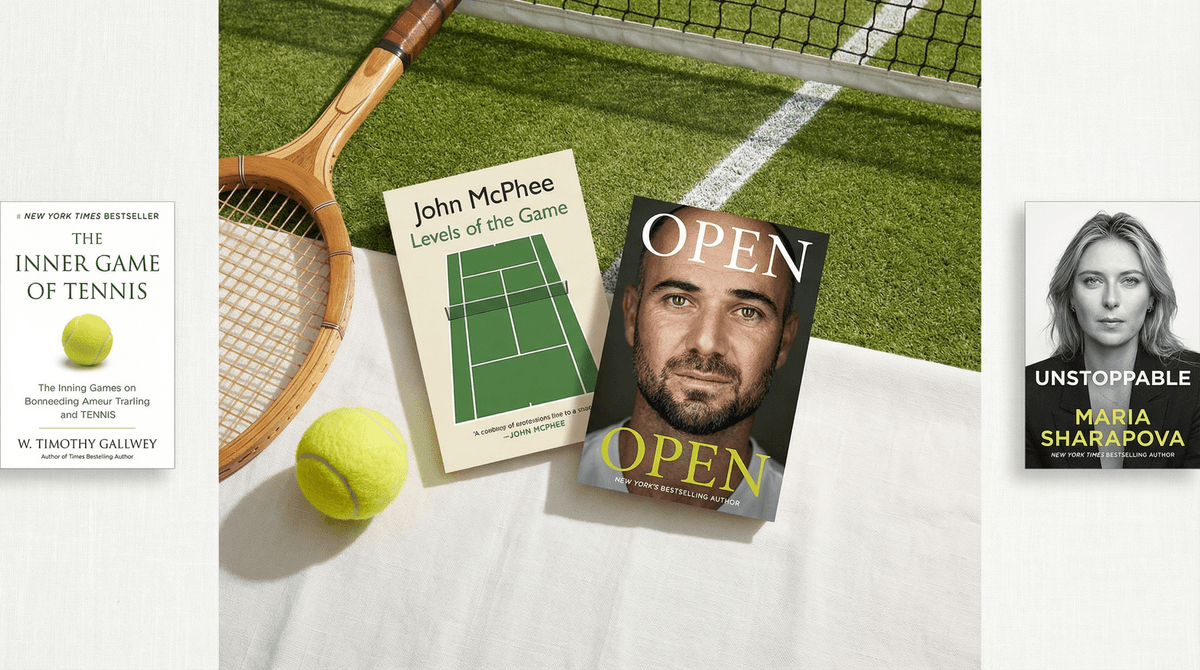
If you have a kid who is a perfectionist, you already know the vibe: they miss one shot, or one note on the piano, and the rest of the hour is a death-spiral of frustration. They aren't just playing the game; they are narrating their own failure in real-time. W. Timothy Gallwey’s classic is the literal blueprint for stopping that cycle.
While it was written in 1974, it feels more relevant now than ever because our kids are living in a high-performance, high-feedback loop. Whether it's a ranking on a leaderboard or a coach's critique, they are constantly being told what they’re doing wrong. This book argues that the "trying" is actually the problem.
The "Zone" as a Skill
Most sports books are about technique—how to grip the racket or where to place your feet. Gallwey basically tells you to ignore all that. He introduces the idea of Self 1 (the conscious "teller" who gives instructions and judges) and Self 2 (the "doer" who actually has the reflexes).
The goal is to get Self 1 to shut up.
If your teenager is a competitive athlete or a musician, they’ve likely experienced "the zone" by accident. Gallwey explains that this isn't a magical fluke; it's what happens when you stop over-thinking. For a kid who is "choking" during playoffs or freezing up during a solo, the concept of "non-judgmental observation" is a massive relief. You aren't "bad" at tennis; you just hit the ball into the net. There's a huge psychological difference between those two thoughts.
Not Just for the Court
Don't let the title fool you. This isn't just for kids who want to be the next varsity captain. The logic here applies to literally any high-pressure situation. If your kid is into competitive gaming, the "inner game" is often the only thing separating the top-tier players from the mid-range ones. The ability to stay calm after a mistake is a competitive advantage.
If you want to round out their library with more narrative-driven sports classics, check out our guide to Levels of the Game and Other Incredible Tennis Books: A Parent's Guide. While Gallwey gives you the "how-to" for the brain, those books provide the "why" for the heart.
The Friction Point
The prose is definitely a product of the 70s. It’s a bit "Zen and the Art of Tennis," which might feel a little slow for a kid who grew up on 15-second clips. It’s also very earnest. There are no memes, no flashy graphics, and no "hacks."
The best way to get a teenager to actually read this is to pitch it as a mental firmware update. It’s the stuff pro athletes and CEOs like Bill Gates cite as a foundational text. If they can get past the "vintage" feel of the writing, the actual mechanics of quieting their inner critic will stick with them long after they’ve put the racket down.