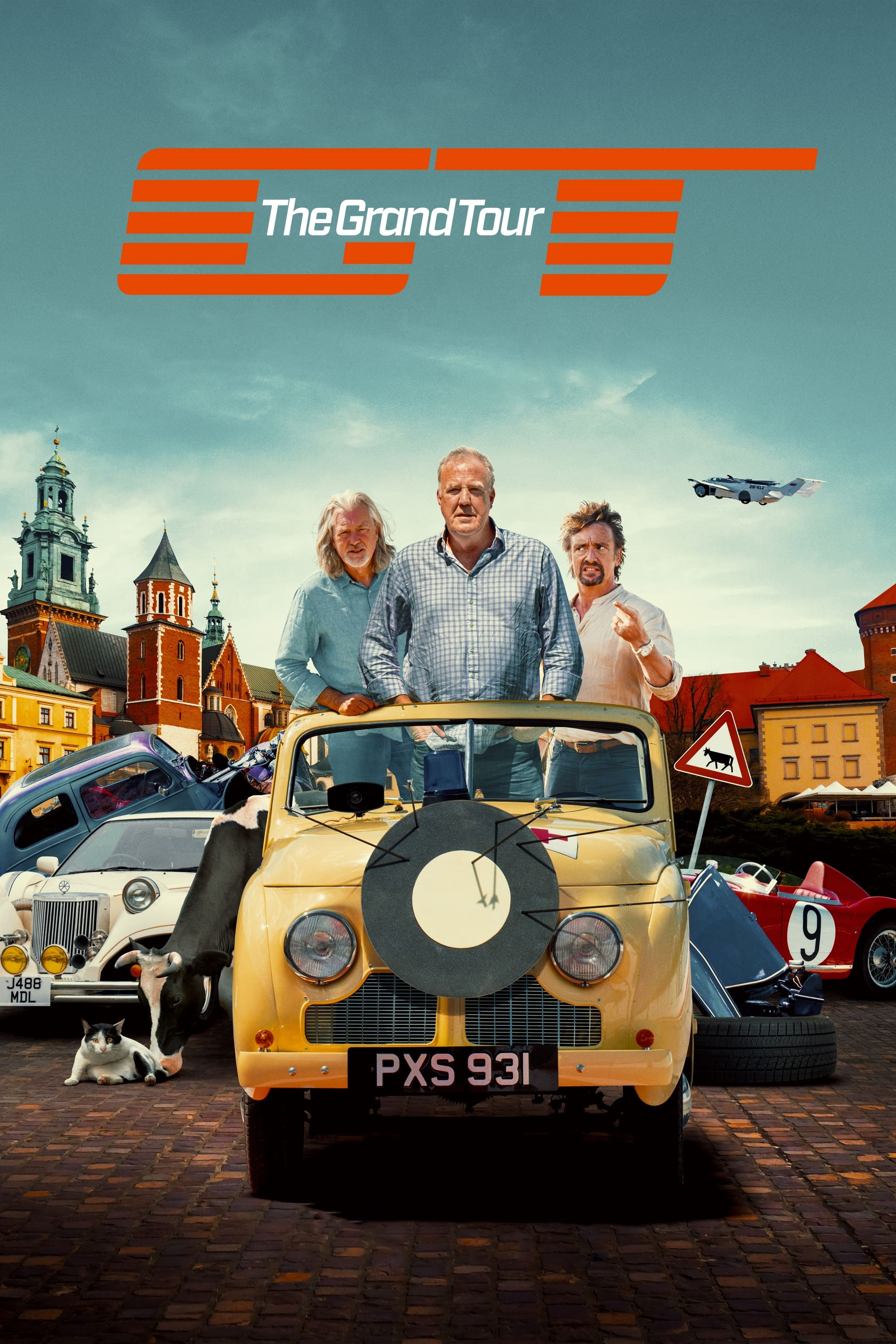
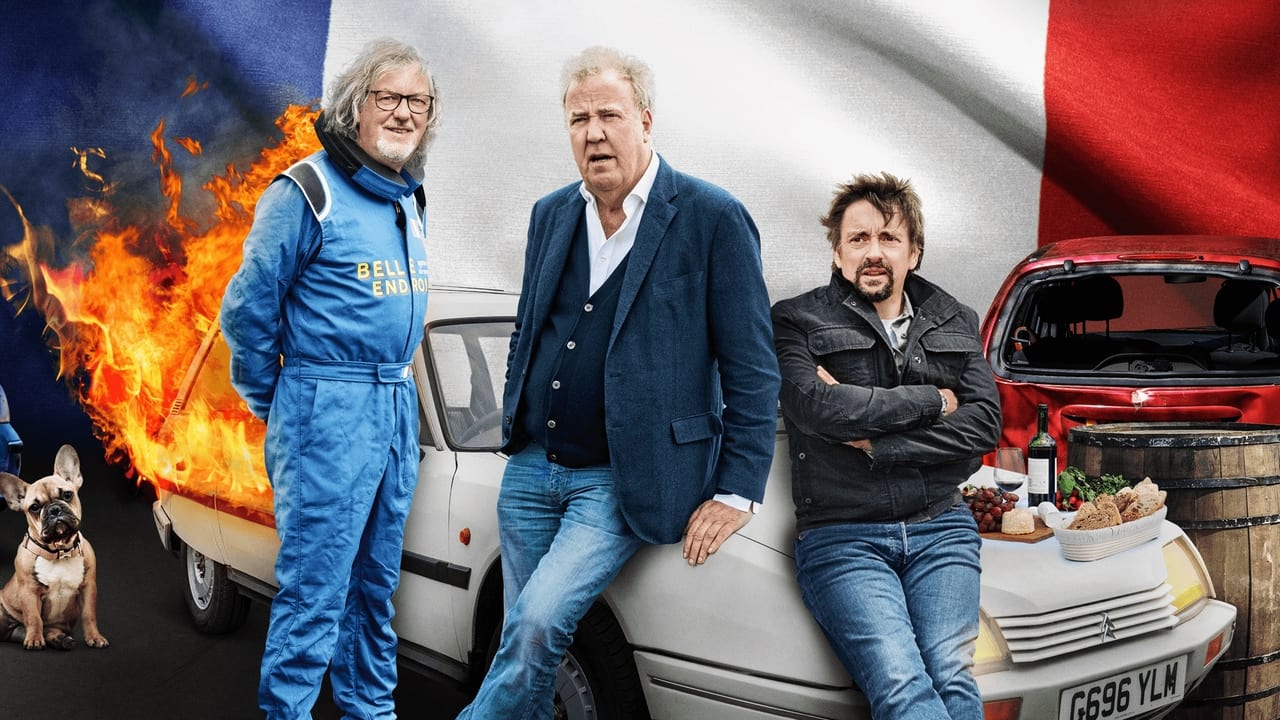
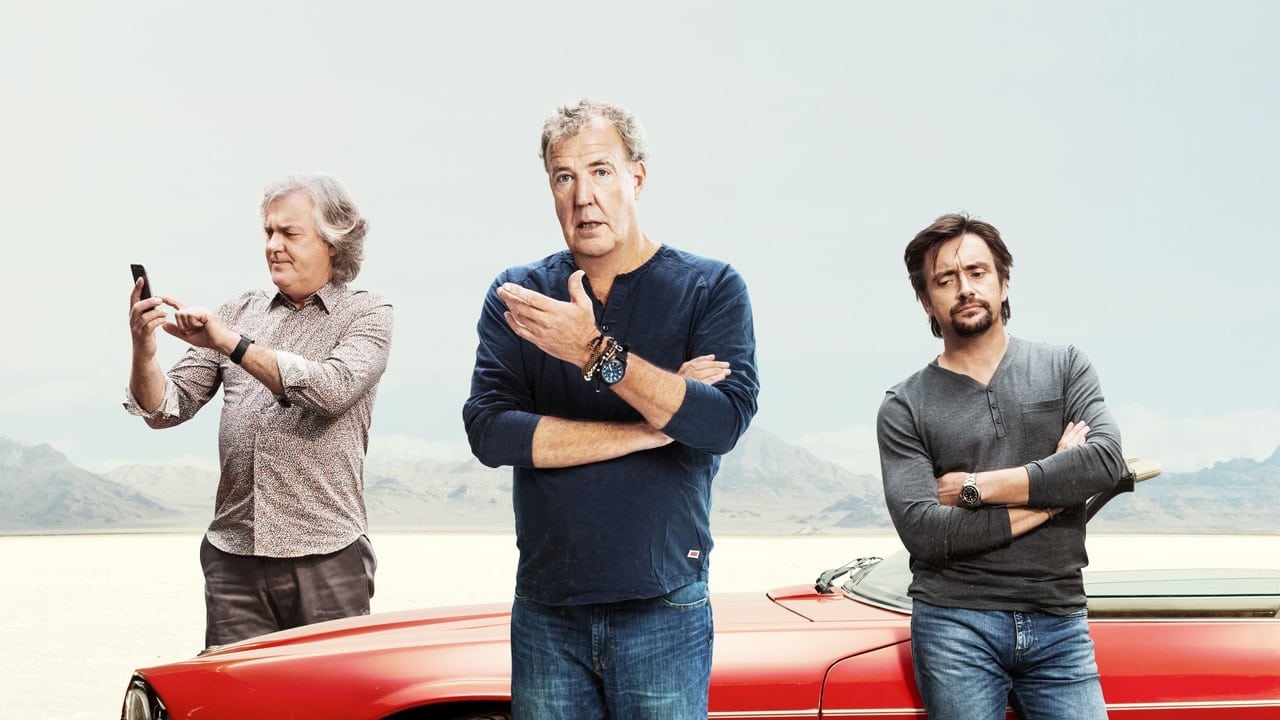
The Grand Tour is essentially a high-budget sitcom where the characters happen to be obsessed with internal combustion. If you’ve spent any time with the trio of Jeremy Clarkson, Richard Hammond, and James May, you know the deal: it’s less about the technical specs of a Ferrari and more about the chaos that ensues when you give three competitive men a massive production budget and a fleet of supercars.
The Critic vs. Fan Divide
The massive gap between the critics (66%) and the audience (94%) on Rotten Tomatoes tells you everything you need to know. Critics often find the scripted "mishaps" and the hosts' personas a bit tired or self-indulgent. But for the fans—and likely your car-obsessed teenager—the show is exactly what it needs to be. It’s comforting, predictable, and visually stunning.
The cinematography is legitimately some of the best in the business. Whether they are sliding through the mud in a jungle or racing across a salt flat, the production value makes it feel like a blockbuster movie every single week. If your kid is already into car TV shows, this is the gold standard for how automotive content can look when money is no object.
Stealth Engineering
There’s a surprising amount of physics and mechanical theory hidden under the hood. While the hosts are busy insulting each other’s fashion choices, they’re also explaining why a mid-engine layout matters for weight distribution or how a turbocharger actually functions at high altitudes. It’s one of the most effective ways of teaching kids about engineering through car shows because it never feels like a classroom. They learn through the failures—when a modified car falls apart in the middle of a desert, the hosts have to explain why it broke and how they’re going to fix it with duct tape and a hammer.
The "Lads on Tour" Friction
The show leans heavily into a specific brand of British "lad" culture that can feel a bit dated. The hosts play up their "annoying friend" personas, which involves a lot of teasing, occasional border-line offensive jokes, and a general refusal to be PC. It’s the kind of show where the humor is often found in the friction between the three men.
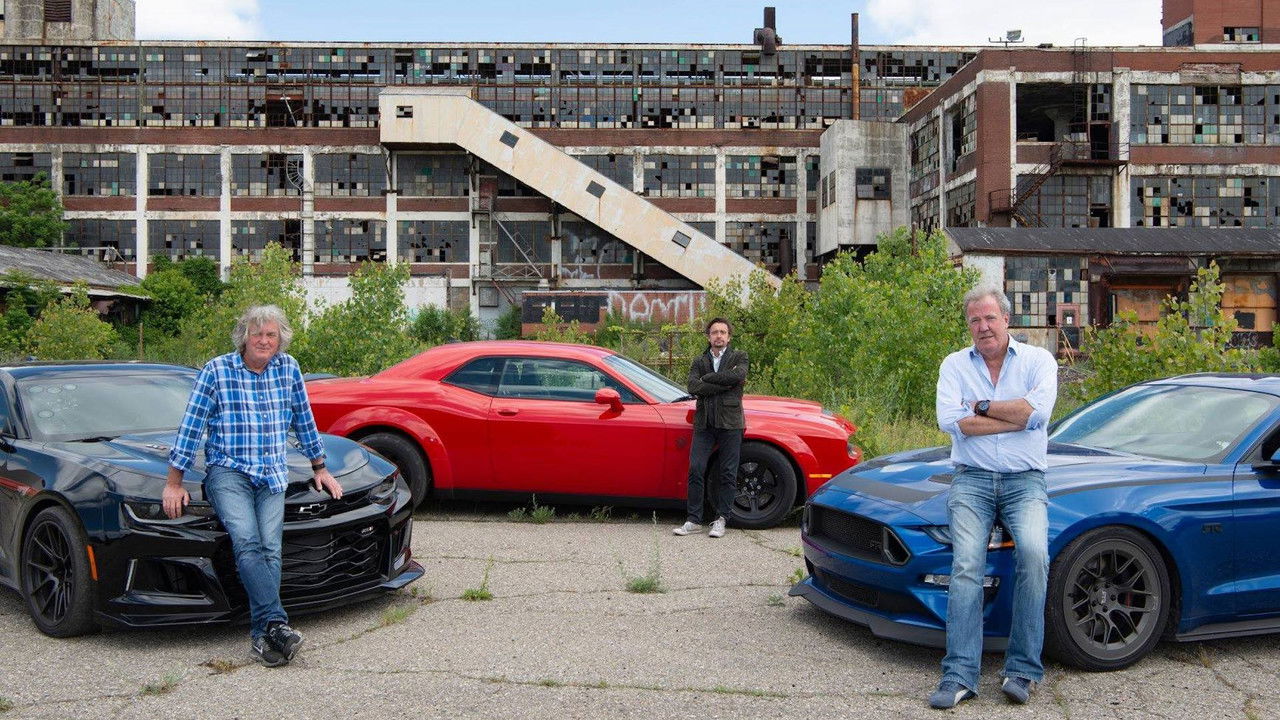
If your teen is seeing the 2026 Mustang hype or other "cool" car aesthetics on their social feeds, they’re going to find the hosts' enthusiasm infectious. However, you should be prepared for the fact that the show treats cars as the ultimate status symbols. It’s aggressively consumerist, celebrating excess and horsepower above almost everything else.
Why the Specials Matter
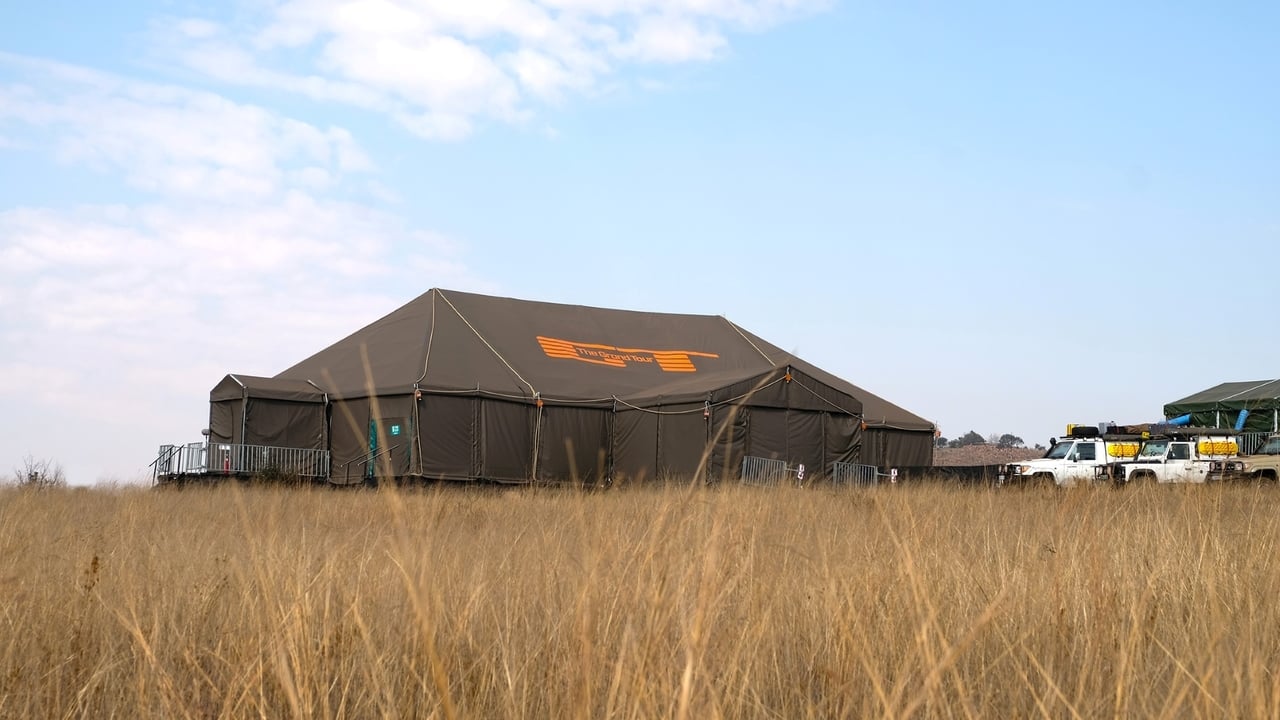
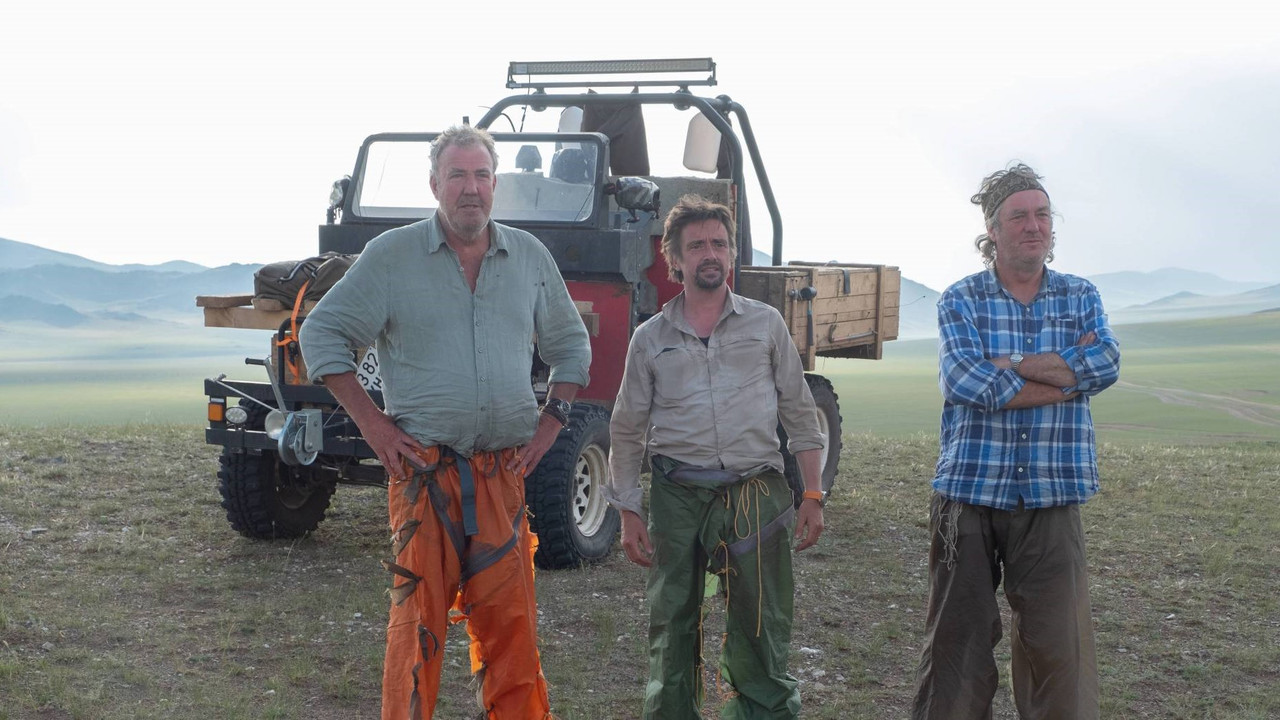
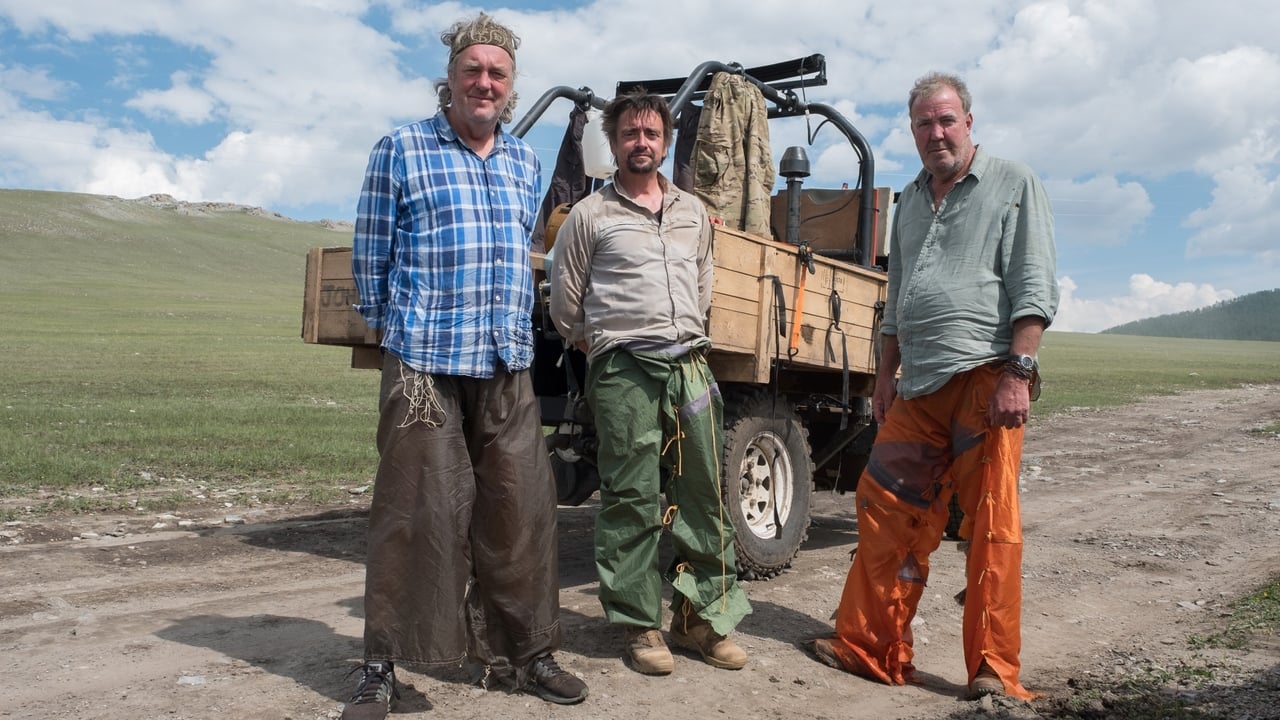
If you find the studio segments (the "tent" bits) a little slow or the jokes a bit forced, skip straight to the "Specials." These are the feature-length episodes where the trio is dropped into a remote part of the world with a specific challenge. These episodes move away from the "car review" format and become genuine adventure films. They showcase problem-solving, resilience, and a surprising amount of global geography. Watching them navigate a rickety bridge in a vehicle that was never meant to leave a paved road is when the show is at its most compelling and—strangely enough—its most human.