The "Suspicious Neighbor" Trope
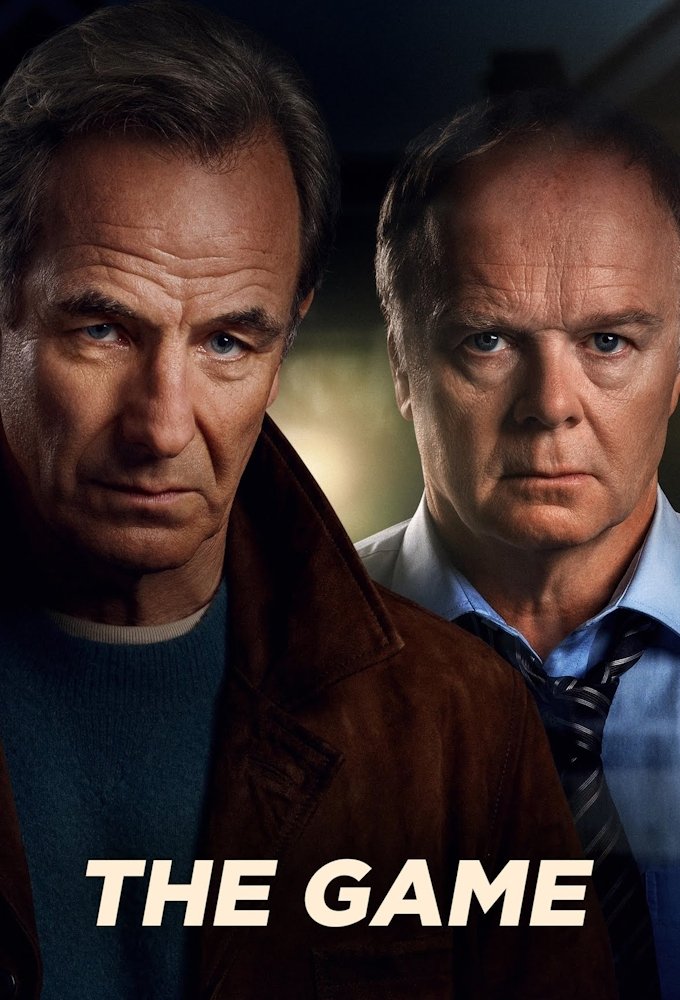
We have seen this setup a dozen times: a retired detective with a "failed" past becomes convinced the guy next door is a monster. In The Game, that detective is Huw Miller, and his target is Patrick Harbottle. The show relies heavily on the tension of whether Miller is actually onto something or if his obsession with the unsolved Ripton Stalker case has finally cracked his judgment.
If you are looking for a groundbreaking subversion of the genre, you won't find it here. This is a four-part British mini-series that plays the hits. It uses the grey, moody atmosphere you expect from UK crime dramas to mask a story that feels a bit thin. The four-episode structure is a mercy; it doesn't overstay its welcome, but it also doesn't have the room to develop the neighborly cat-and-mouse game into something truly clever.
Why the 6.4 Rating Matters
That 6.4 IMDb score is a loud signal. In the world of prestige TV, a 6.4 usually means the show is "fine for a rainy Tuesday" but lacks the "must-see" spark. The friction here isn't that the show is poorly made—the production value is solid—it’s that the payoff feels tepid.
For a teen who is just starting to explore psychological thrillers, the "is he or isn't he" mystery might hold water. But for anyone who has seen a few seasons of high-end crime TV, the beats are predictable. The show leans on the "detective who can't let go" archetype so hard that it forgets to give us a reason to care about Miller beyond his trauma. If your teen is looking for a more psychological, character-driven study of captivity and obsession, you might find that The Patient is a more intense experience that actually rewards the viewer's patience.
Better Ways to Scratch the Mystery Itch
If your teen is gravitating toward this because they want a dark, gritty British vibe, there are better options in the "dark detective" bin. The Game feels like a "lite" version of shows that have done this better and with more menace.
The central theme of a serial killer looming over a small community is a staple of the genre, but here it feels like a backdrop for Miller’s personal mid-life crisis. If you are trying to decide if this is the right level of "dark" for your 15-year-old, compare it to other trending crime hits. For instance, the Belfast-set thriller The Fall covers similar serial killer territory but with a much higher level of craft and genuine suspense.
The Takeaway for Parents
This isn't a "bad" show, but it is a forgettable one. It’s the kind of media that fills the gap between better releases. The 15+ age rating is accurate because of the stalking themes and the inherent darkness of the Ripton Stalker plotline.
If you decide to let them watch it, use it as a low-stakes way to talk about how media portrays "gut feelings" versus actual evidence. Miller’s obsession is framed as heroic persistence, but in the real world, it looks a lot like harassment. It’s a decent jumping-off point for a conversation about where seeking justice ends and dangerous fixation begins. Just don't expect it to be the highlight of your family's watchlist.