Why this sticks when other historical fiction fails
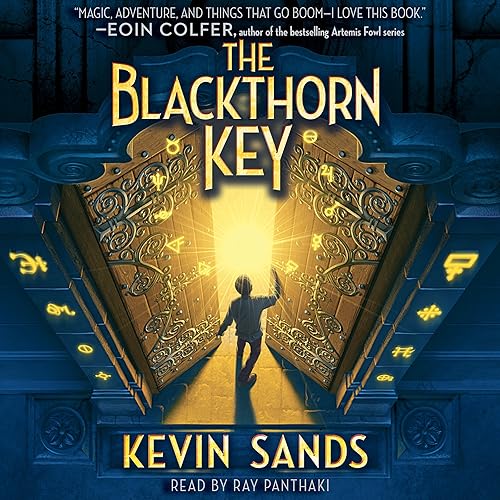
Most historical fiction for the middle-grade set feels like a homework assignment disguised as a story. The Blackthorn Key avoids that trap by leaning heavily into the competence of its lead. Christopher Rowe isn't just a kid things happen to; he’s an apprentice who actually knows how to mix gunpowder and decipher complex ciphers.
The chemistry here—or rather, the 17th-century apothecary science—is the star. It functions a lot like magic does in other series, but with the added bonus that it’s grounded in real (albeit dangerous) history. When Christopher needs to solve a problem, he doesn't find a lucky charm. He uses logic and a working knowledge of volatile chemicals. This makes it a perfect bridge for kids who are moving away from fantasy but aren't quite ready for dry, realistic fiction.
The "graphic" factor
You’ll see warnings about the violence in this book, and they are worth noting. This isn't a "bloodless" mystery. Because it’s set in 1660s London and involves a cult targeting apothecaries, the descriptions of crime scenes and injuries can be visceral.
It’s less about jump scares and more about anatomical realism. If your child is the type who watches medical shows or enjoys the more intense moments of Artemis Fowl, they’ll be fine. If they are particularly sensitive to descriptions of physical pain or "medical" gore, you might want to pre-read the first few chapters. The book treats the stakes as life-or-death because, in Christopher’s world, they are.
If they liked the "smart kid" trope
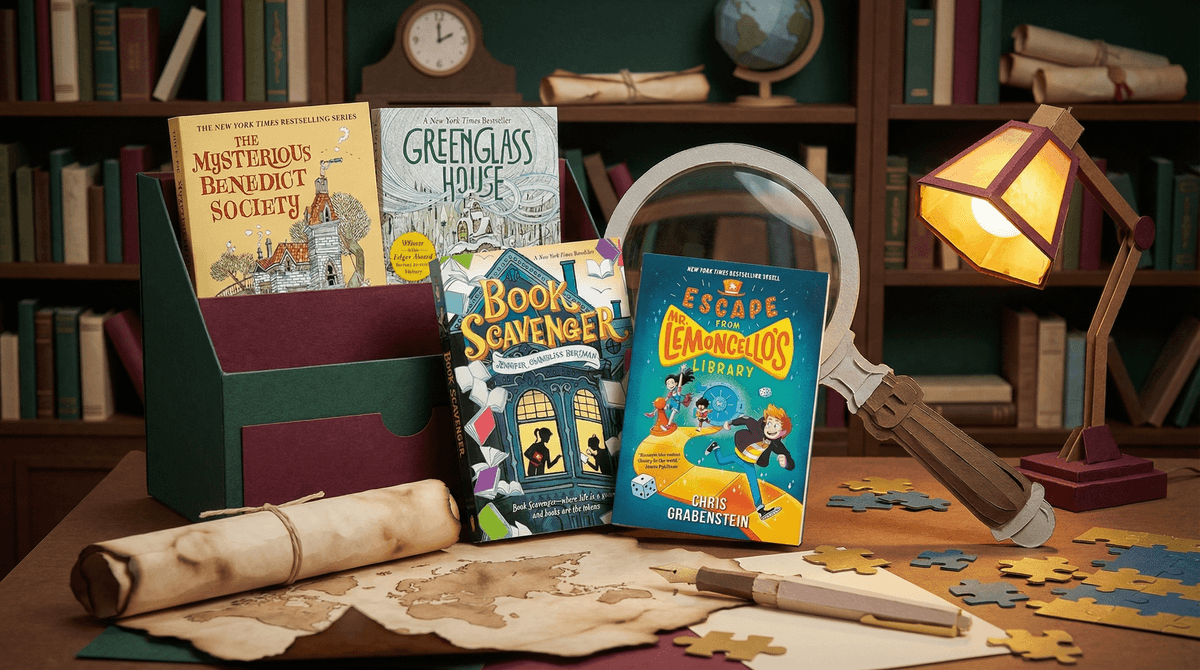
If your reader gravitates toward stories where the protagonists have to outthink, rather than outfight, the villain, this is a top-tier pick. It shares a lot of DNA with the best books like The Mysterious Benedict Society, specifically the focus on codes and the feeling that the reader is solving the mystery alongside the characters.
The main difference is the pacing. While many puzzle-based books are whimsical or slow, Kevin Sands keeps the engine running with frequent explosions and narrow escapes. It’s a high-stakes thriller that happens to be about a boy who is very good at his job.
Make it a series
One of the best things about finding a book like this is that it isn't a one-off. There are six books in the series, which is a massive win if you’re trying to keep a kid off a screen for more than a weekend. The mystery deepens as the series progresses, but the core appeal—Christopher and his best friend Tom navigating a world that is actively trying to kill them—remains the same.
If you want to lean into the educational side without being annoying about it, look up some basic Caesar ciphers or simple substitution codes after they finish the first few chapters. The book makes code-breaking look cool, and it's a rare moment where a fictional skill translates directly to a real-world afternoon activity.