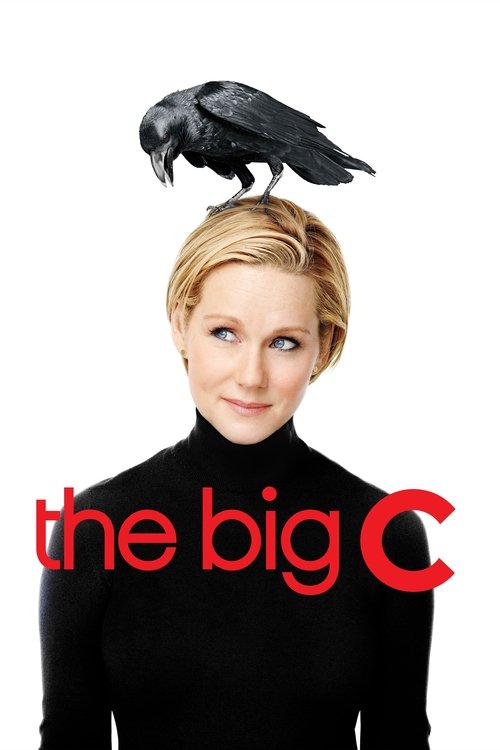
In 2010, every cable network needed a "prestige" show where a suburbanite goes off the rails. Showtime gave us The Big C, and while it has its moments, watching it today feels like opening a time capsule of a very specific, slightly uncomfortable era of television. Critics weren't exactly sold on it back then, but the audience score on Rotten Tomatoes shows that many viewers connected with the messy, often selfish way Cathy Jamison handles her diagnosis.
The Anti-Heroine of Suburbia
Laura Linney is doing heavy lifting here. She plays Cathy as someone who has spent her whole life being the "responsible one" and decides, upon hearing she has stage four melanoma, to burn her life down. She doesn't tell her family. She kicks her husband out. She starts an affair. It’s a fascinating premise, but the show struggles to decide if it’s a wacky comedy or a soul-crushing drama. This tonal whiplash is the biggest hurdle. You’ll be laughing at a joke about a backyard pool one second and then hit with the reality of chemotherapy the next.
If you’re looking for a show that handles heavy psychological themes with more consistency, you might prefer something like The Patient, which trades the "cancer comedy" tropes for a much tighter, more suspenseful look at trauma and family secrets.
Why the TV-MA matters
Don't let the suburban aesthetic fool you. This isn't a family-friendly exploration of illness. Between the infidelity, the language, and the sheer emotional weight of watching someone prepare for their own death, it’s strictly for the grown-ups. We go into more detail on the specific triggers and themes in our "The Big C": Dark Comedy, Terminal Illness, and Why It’s Not for Kids guide, but the short version is that this is the kind of show you watch after the kids are in bed when you want to feel something complicated.
The 2010s Vibe Check
The show ran for four seasons, and by the time it reaches the final "limited series" style conclusion, it’s a lot to handle. It captures a moment in TV history where "edgy" meant making the protagonist as unlikable as possible to see if the audience stays. If you enjoy character studies where the lead makes objectively terrible decisions, you’ll find plenty to chew on. If you want something that feels modern and fast-paced, this might feel sluggish.
It’s a show about the privilege of choice and the tragedy of running out of time. It’s not always fun, and it’s definitely not wholesome, but for a certain type of viewer, it’s a memorable ride. Just don't expect it to leave you feeling particularly lighthearted.