The Real Estate Nightmare
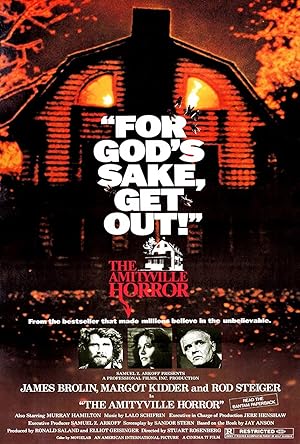
If you strip away the demonic voices and the bleeding walls, The Amityville Horror is actually a movie about the crushing anxiety of a bad investment. George and Kathleen Lutz buy a house they clearly can't afford, and the "horror" is as much about the mounting bills and the peeling paint as it is about the ghosts. For a 1979 audience, this resonated. For a modern teen raised on the high-speed pacing of the Conjuring universe, it’s going to feel like watching a documentary about a guy who needs a better contractor.
The film leans heavily into the "true story" marketing that was a massive cultural phenomenon at the time. We now know the whole thing was a calculated hoax, which takes the teeth out of the experience. Without the "this actually happened" hook, you’re left with a movie where the most famous scare is a voice yelling "Get out!" and a priest getting a bad case of the flu. It’s atmospheric, sure, but it lacks the internal logic that makes modern supernatural horror work.
Domestic Tension vs. Jump Scares
While modern horror relies on the "quiet-quiet-BANG" rhythm, this is a slow-motion portrait of a family imploding. The real friction isn't the supernatural entities; it's George Lutz’s transformation into a volatile, axe-wielding threat. There is a persistent, low-level grittiness to the film—the "authentic 70s feel" critics mention—that makes the domestic violence themes feel uncomfortably real.
If your teen is looking for the kind of fun, popcorn-munching scares found in our guide to the scariest horror movies teens can handle, they won't find them here. This is "brown" horror: everything is wood-paneled, sweaty, and deeply depressing. It’s less about being scared of what’s under the bed and more about being scared of the person sitting across from you at the dinner table.
Why It Struggles to Land Now
Critics were brutal to this film upon release, and the Metacritic score of 28 reflects a movie that even contemporary reviewers found clunky. The special effects have aged into the "charming but silly" category—think bright red paint standing in for blood and some very questionable fly-wrangling.
- The Pacing: It takes forever for anything of substance to happen.
- The Logic: Characters make baffling decisions even by horror movie standards.
- The Payoff: The ending feels abrupt, leaving most of the "why" questions completely unanswered.
If you have a kid who is a genuine student of film history, there’s value in seeing where the "haunted house on a portal to hell" trope really took off. But if they just want a Friday night thrill, this is a relic better left in the attic. It’s a movie that was famous for being a "true story" in an era when people were easier to prune. Today, it’s just a movie about a family that should have checked the zoning laws.