The stealth-mode kindness hook
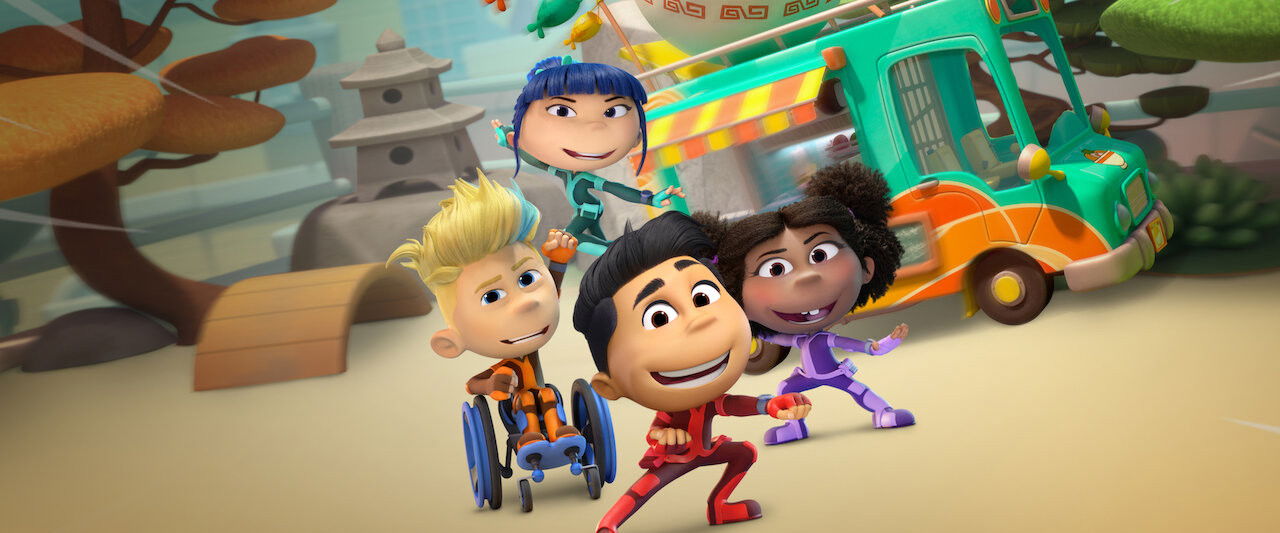
Most preschool shows treat "helping others" like a grand parade with a trophy at the end. Team Zenko Go takes the opposite tack, framing altruism as a top-secret mission. Niah, Ari, Ellie, and Jax operate like a pint-sized special ops team, but instead of thwarting a jewel heist, they’re quietly fixing a neighbor’s broken garden gate or finding a lost pet.
This "secret agent" framing is the show’s smartest move. It taps into that specific toddler obsession with gadgets, hideouts, and "being in on a secret" without needing a villain to drive the plot. By removing the need for a bad guy, the show focuses entirely on the logistics of being helpful. It’s a refreshing change of pace for parents who are tired of the repetitive "bumbling mayor" or "clumsy antagonist" tropes found in other rescue-themed hits.
The pacing paradox
There is a weird friction in the production value that you should know about before you hit play. While the content is incredibly gentle—IMDb reviewers and Common Sense Media parents agree there’s zero violence—the editing is surprisingly high-octane.
The show uses fast cuts, "whoosh" sound effects, and driving music that feels like it belongs in a much more intense action series. For a four-year-old, this is usually fine; it keeps them locked in. But if you have a particularly sensitive two-year-old or a kid prone to overstimulation, this might not be the "wind-down" show you’re looking for. It has the visual energy of a superhero blockbuster even when the "action" is just a kid sneaking a sandwich onto a park bench.
If your kid is a Spidey fan
If your household is currently rotating between Spidey and His Amazing Friends and Paw Patrol, this is the logical bridge for when you want to lower the "peril" levels. It offers the same team-based dynamics and cool gear but swaps out the "saving the world" stakes for "making the neighborhood better."
The show is at its best when it highlights the diverse skills of the team. We see them brainstorm and troubleshoot, which is great for modeling problem-solving skills. However, because it is so formulaic, you will likely find yourself checking your watch. Each episode follows the exact same beat: spot a problem, deploy a gadget, stay hidden, mission accomplished.
It’s the kind of show that works perfectly as "background noise" while you’re making dinner. You don't have to worry about a sudden scary monster or a character being mean-spirited. It is pure prosocial fluff—competently made, visually bright, and entirely harmless. Just don't expect it to become your kid's lifelong obsession. Once they start craving actual stakes or complex humor, they’ll age out of Zenko territory fast.