The "Nobody" Revolution
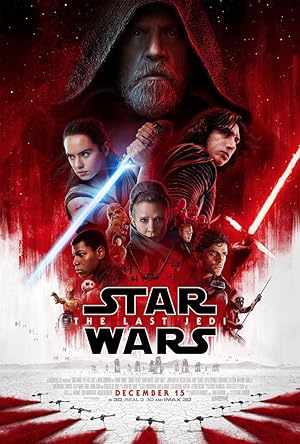
Most of the Star Wars saga is a story about space royalty and magic bloodlines. It tells kids that you’re important because of who your father was. This movie takes that idea and throws it off a cliff. When the story reveals that Rey’s parents weren't "anybody" special, it changes the stakes for a young audience. It suggests that greatness isn't inherited—it's a choice.
For a kid who feels like they don’t fit the "chosen one" mold, this is a powerful pivot. It moves the franchise away from destiny and toward agency. If you’re following our Star Wars Movies Watch Order, this is the moment where the universe finally stops feeling like a small family drama and starts feeling like a galaxy where anyone can pick up a lightsaber.
Visuals That Actually Matter
Even if the plot makes you want to argue on the internet, the cinematography is undeniable. There’s a specific moment involving a ship traveling at light speed through another ship that is arguably the most arresting image in modern sci-fi. It’s a silent, black-and-white fracture of the screen that usually makes a room full of kids go quiet.
The filmmakers used color—specifically deep, bleeding reds against stark whites—to tell the story. The final battle on the salt planet isn't just another desert fight; it’s a visual masterclass. If your kid is into art or digital design, this is the one to watch on the biggest screen you own. It’s a massive step up in craft from the more utilitarian look of the previous films.
The Mid-Movie Friction
We have to talk about the casino planet. While the critics gave this a 91% on Rotten Tomatoes, the audience score of 41% exists partly because the middle hour of the movie takes a hard left turn into a subplot that feels like a different film. It’s a bit preachy and slows the momentum to a crawl.
If your kid is younger or has a short attention span, this is your snack break window. You won't miss much if you're out of the room for ten minutes while they're running through the casino. The movie is a long haul, and this sequence is the primary reason it feels its length.
Mentors Who Mess Up
Usually, the "old master" in these movies is a font of wisdom who never makes a mistake. Here, Luke Skywalker is a mess. He’s grumpy, he’s lived in isolation, and he’s haunted by his own bad calls. For parents, this is a great bridge to The Empire Strikes Back: A Parent’s Guide to the Dark Side.
In that movie, Luke was the student struggling with his identity. Here, he’s the teacher who realized that failure is the best way to learn. It’s a more honest look at growing up than the usual hero-worship. It shows that even your heroes are human, which is a vital lesson for kids as they move into their teen years and start seeing the adults in their lives more clearly.
If your family is just starting this journey, check out Navigating Star Wars at Every Age to see if your kid is ready for the heavy emotional lifting this one requires. It’s not just about space battles; it’s about the burden of being a legend.