The Rube Goldberg of 2000s Animation
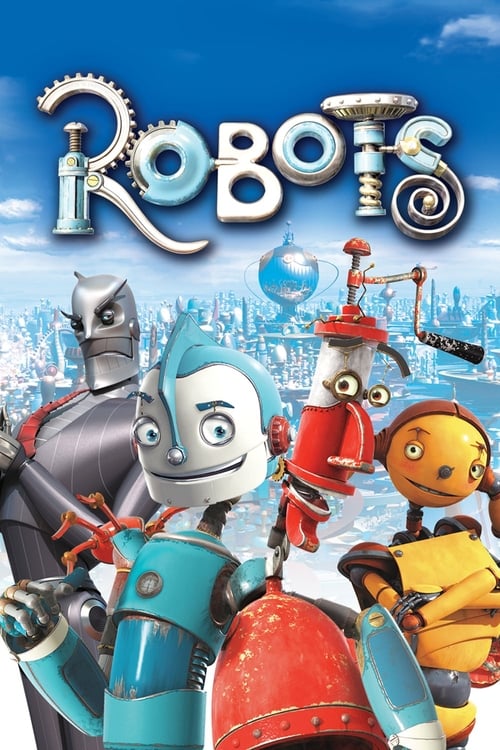
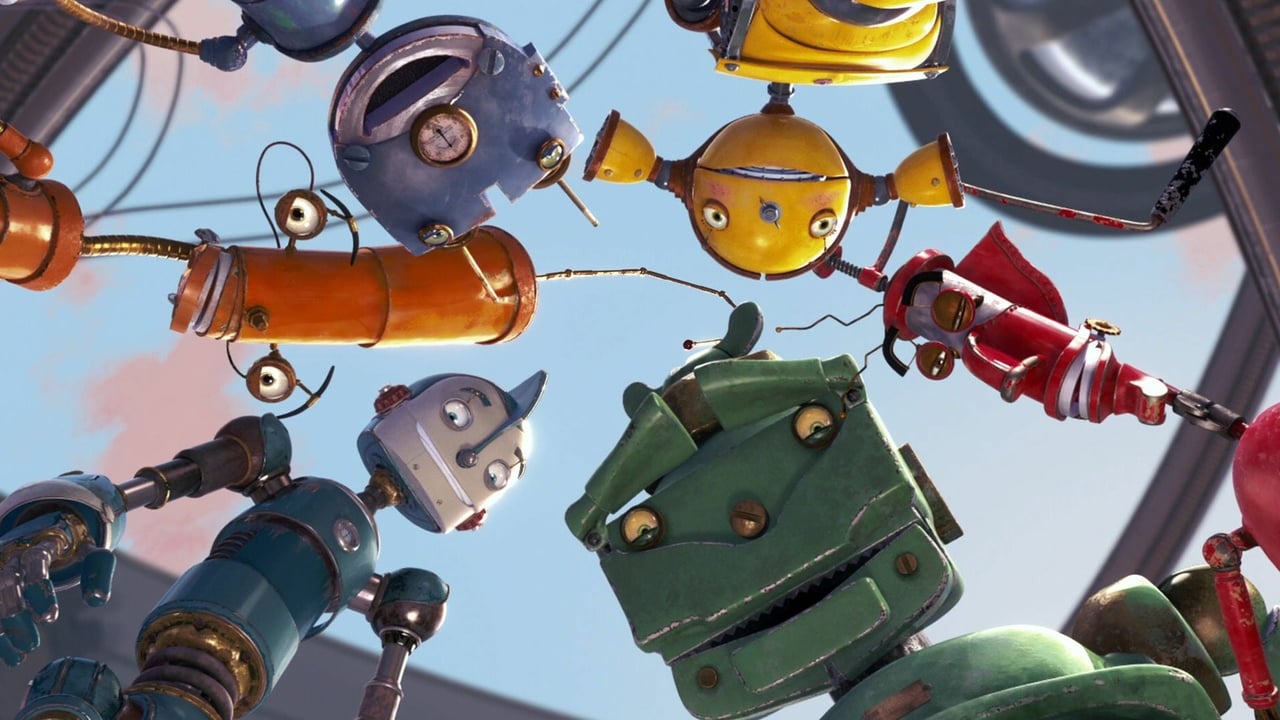
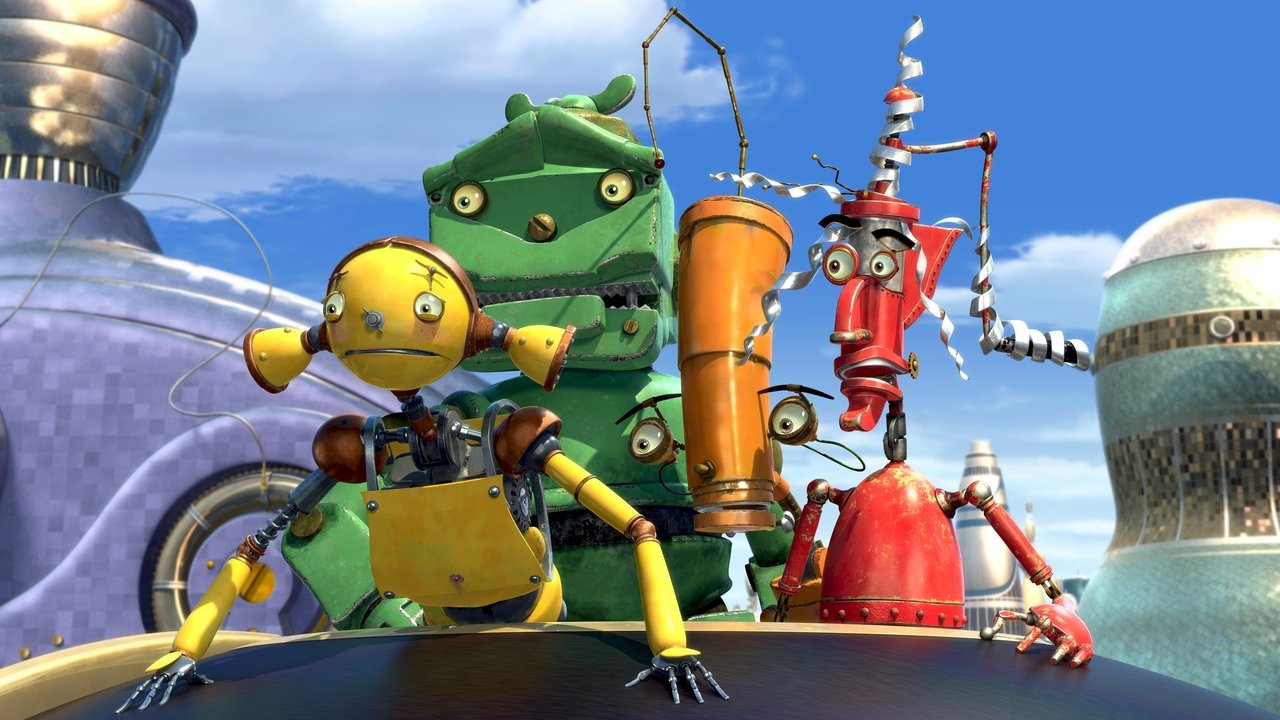
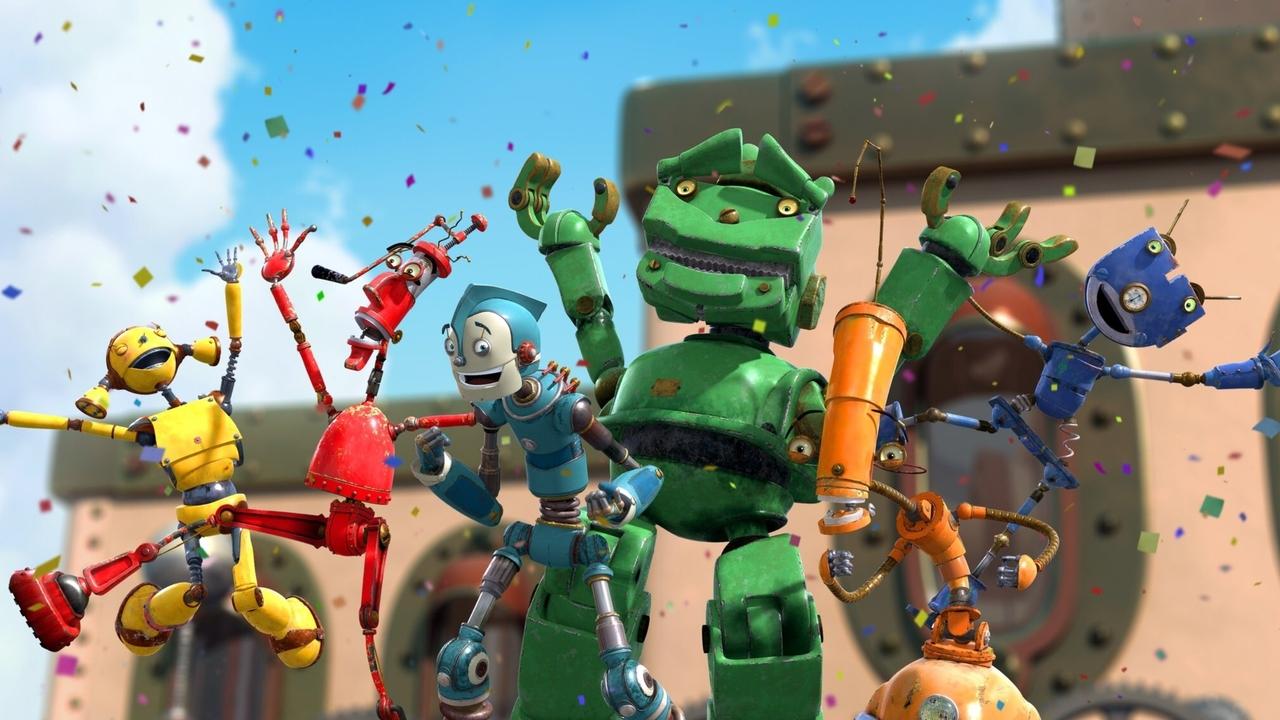
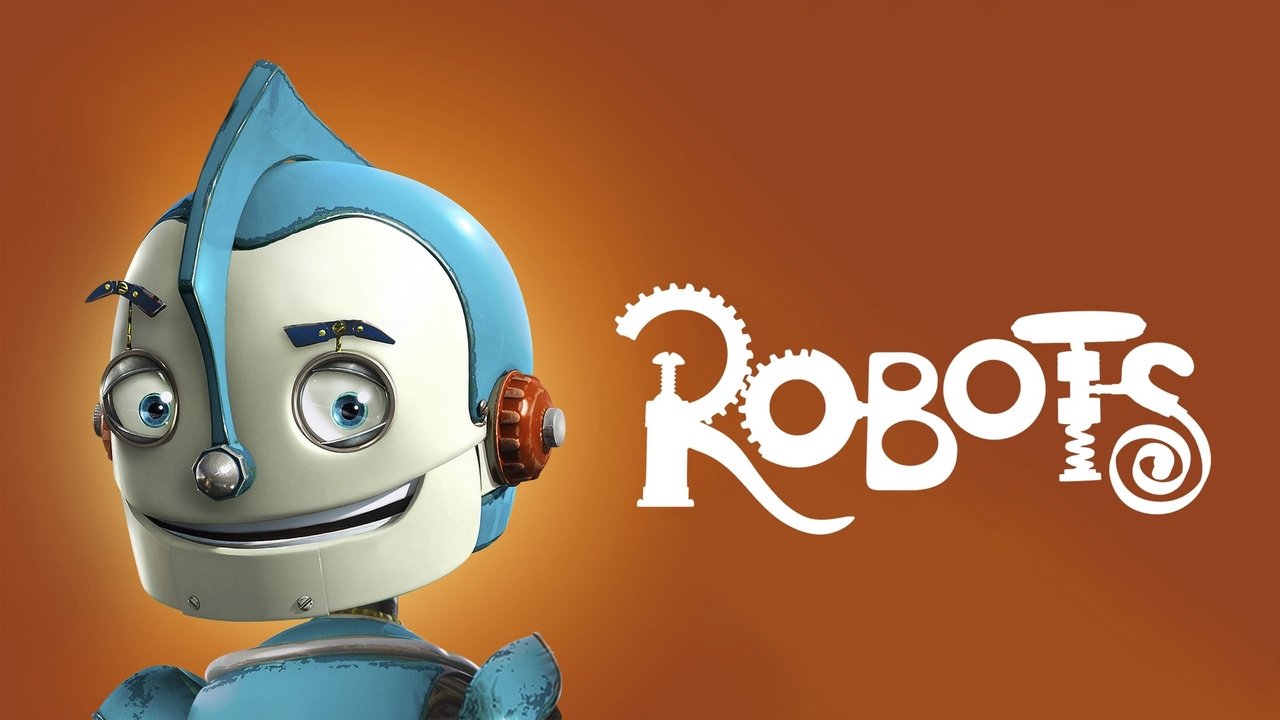
The most striking thing about Robots twenty years later isn't the story or the voice acting—it’s the sheer mechanical density of the world. While modern animation often chases photorealism or a painterly "Spider-Verse" aesthetic, this movie is obsessed with how things click, clack, and whir. The "Crosstown Express" sequence is essentially a four-minute Rube Goldberg machine that serves no narrative purpose other than to show off the physics of a world made of scrap metal.
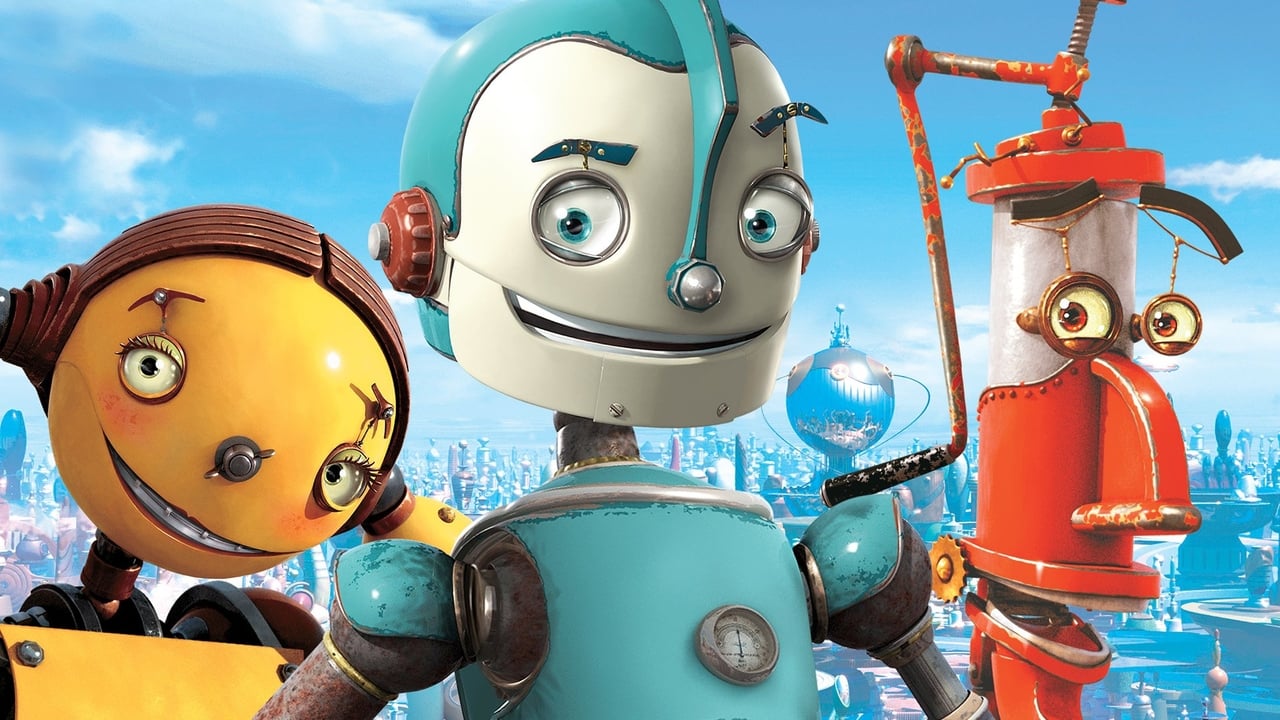
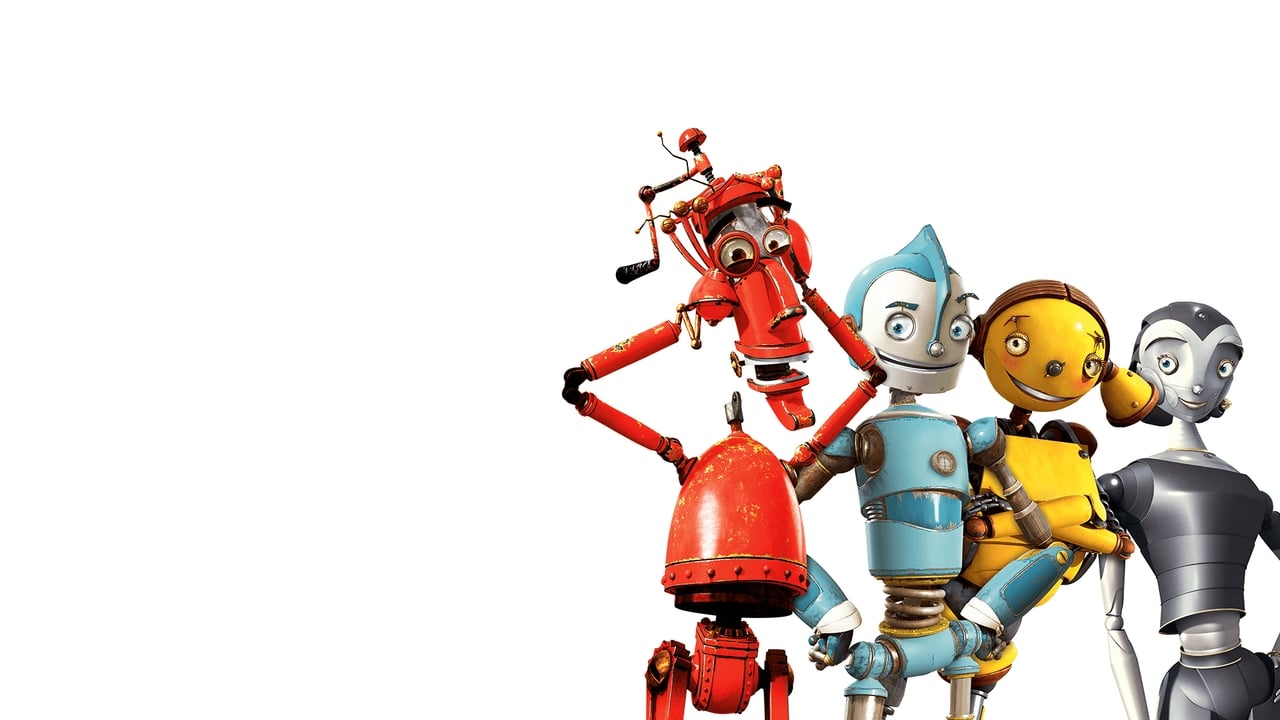
If you have a kid who spends their afternoon building elaborate marble runs or complex LEGO contraptions, they will likely find this movie's visual language fascinating. It treats machinery as a playground. The character designs by William Joyce give the film a "retro-future" look that separates it from the generic plastic look of many mid-2000s CG films. Even if the textures look a bit muddy on a 4K screen today, the imagination behind the physical movement of the characters holds up.
The Robin Williams Factor
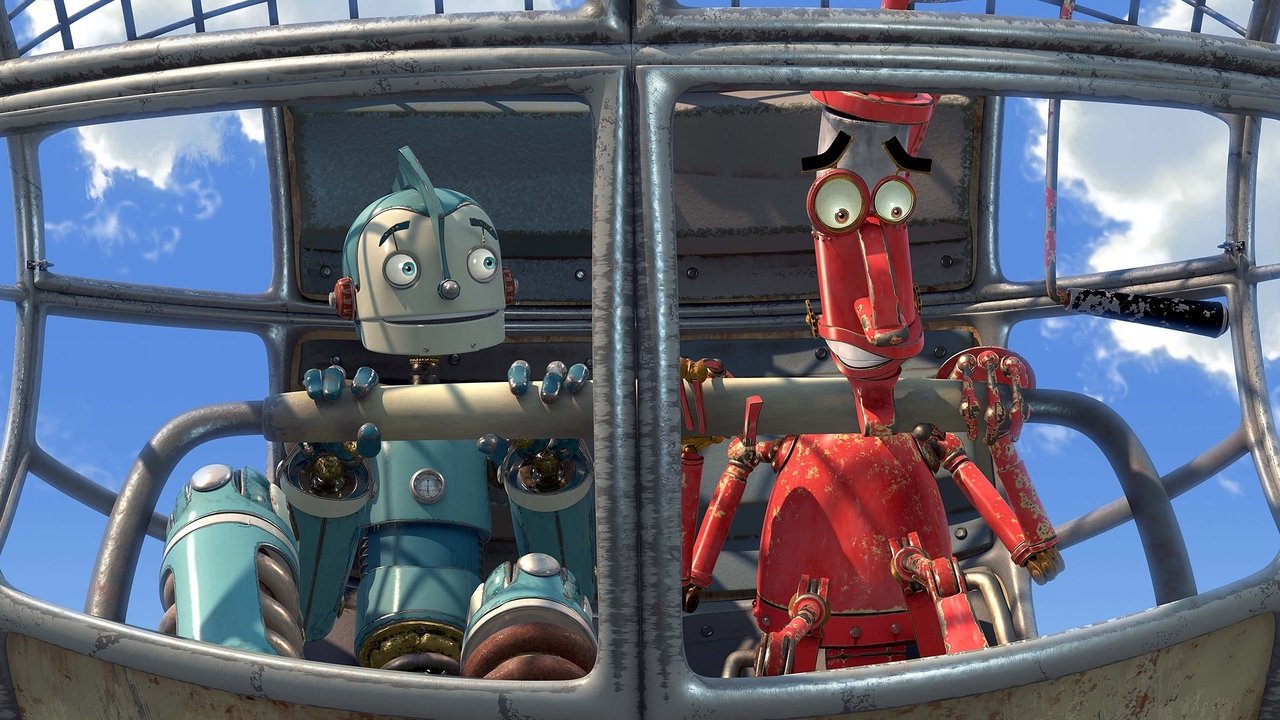
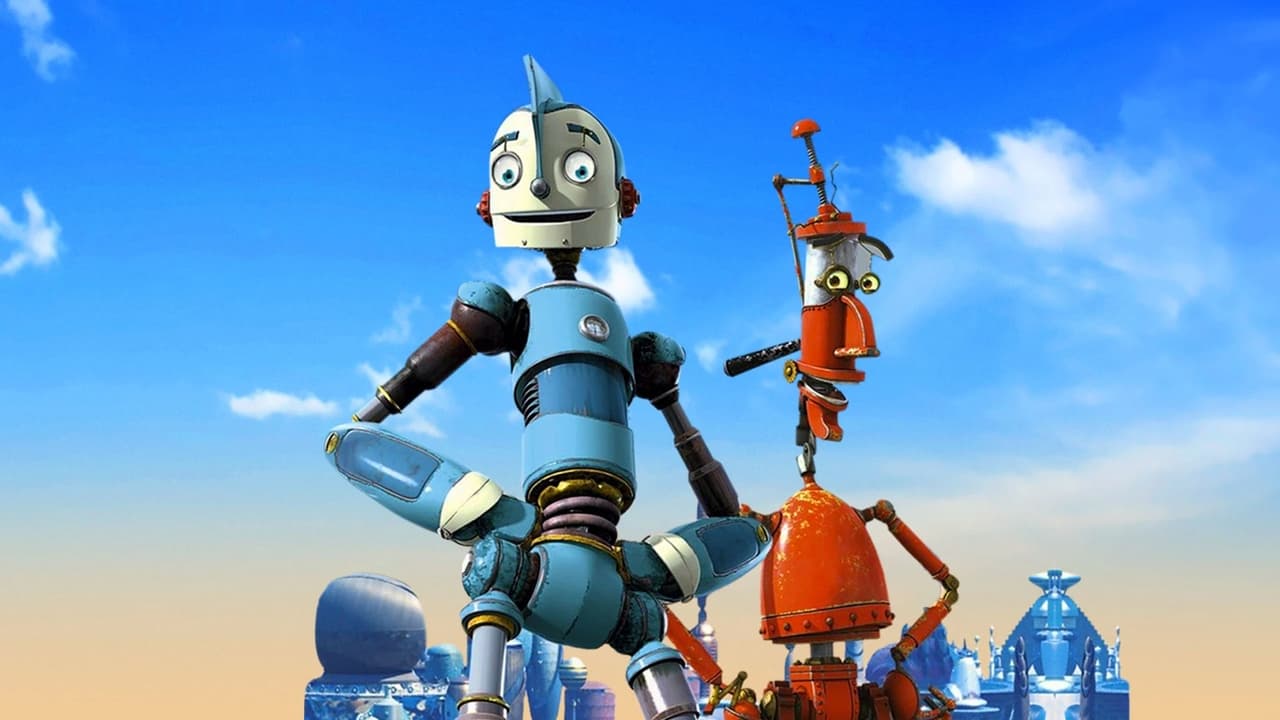
We have to talk about the energy level. Robin Williams is in full Aladdin mode here, which means the movie has a frantic, improvisational pulse that can be exhausting for adults but serves as catnip for younger kids. His character, Fender, is a literal collection of loose parts, allowing for a brand of physical comedy that only works in animation.
The humor is a time capsule of 2005. You’re going to hit some pop-culture riffs and musical cues that will fly right over a modern kid's head, and the "robot flatulence" jokes are exactly as sophisticated as they sound. However, the chemistry between Ewan McGregor’s earnest Rodney and Williams’ chaotic Fender provides a decent enough anchor to keep the movie from drifting into total nonsense.
A Lesson in Planned Obsolescence
For a movie that was largely designed to sell toys, the actual plot is surprisingly anti-corporate. The conflict isn't just "good vs. evil"; it’s about a company deciding that "outmoded" people don't deserve to exist if they can't afford the latest upgrades. Ratchet, the villain, is the personification of planned obsolescence.
This makes Robots a surprisingly effective conversation starter about how we treat technology and the environment. It’s a great entry point for robot movies for families that move beyond simple action and start asking what it means to be "useful" in a society that values the new over the repaired. If your kid is at the age where they’re asking why their old tablet is slow or why we don't just fix things when they break, the "Bigweld vs. Ratchet" dynamic offers a very clear, if slightly heavy-handed, analogy.
How to Think About the "Mid" Scores
That 54% audience score on Rotten Tomatoes is a reflection of the era. In 2005, we were being hit with a wave of "Shrek-alikes"—animated movies that leaned heavily on celebrity voices and frantic pacing to distract from thin scripts. Robots definitely suffers from that DNA. It lacks the emotional gut-punch of the best Pixar films or the world-class storytelling of modern hits.
But "mid" doesn't mean bad. It means this is a utility player in your streaming rotation. It’s the movie you put on when you want something high-energy and visually stimulating that won't require you to sit there and explain complex emotional beats. It’s a loud, shiny, mechanical romp that succeeds on the strength of its world-building, even if the script is running on low-grade fuel.