The physics of a real chase
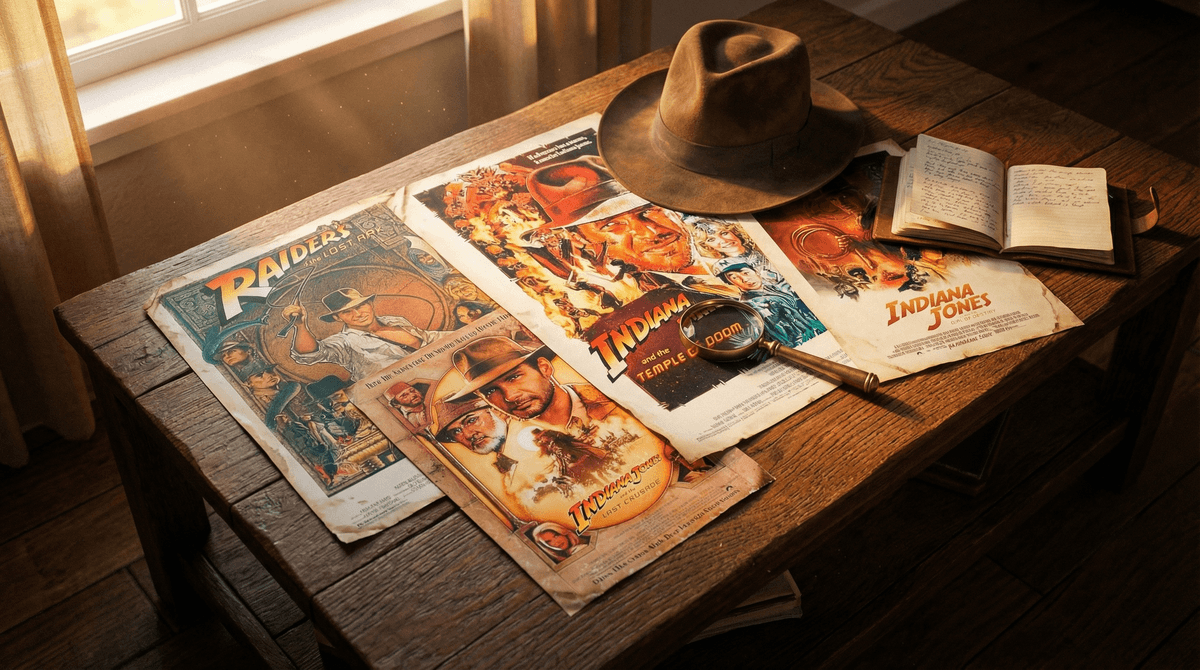
If your kid is used to the weightless, purple-screen brawls of modern superhero movies, Raiders is going to be a shock to the system. There is a tactile, bone-crunching reality to the action here that CGI simply cannot replicate. When Indy is dragged behind a truck or punched in the face, you feel the dust and the gravel.
This groundedness is exactly why the movie doesn't feel like a "dated" relic from 1981. It’s a great way to talk to kids about how classic adventure movies for modern kids rely on choreography and practical stunts rather than digital magic. The stakes feel higher because the world looks like it actually exists. If they’ve played any modern treasure-hunting games, they’ll see the DNA of those levels right here in the truck chase and the opening temple run.
The "Gateway Horror" effect
We need to talk about the ending. While the "What to watch for" section mentions the face-melting, it’s worth noting that this film is the gold standard for "gateway horror." It’s that specific brand of Steven Spielberg’s family films that treats kids like they can handle a little nightmare fuel.
The climax isn't just violent; it’s eerie. The wind, the ghosts, and the sudden shift from a gritty war movie to a supernatural reckoning is a massive tonal swing. For an 11-year-old, this is often the first time they realize movies can be both fun and genuinely terrifying. It’s a rite of passage. If you have a kid who is starting to get curious about horror but isn't ready for the R-rated stuff, the final ten minutes of Raiders is the ultimate litmus test.
Why Indy still works
Indy is a different kind of hero than what kids see today. He isn't invincible, he doesn't have powers, and—crucially—he fails constantly. He gets beaten up, he loses the girl (temporarily), he loses the artifact (repeatedly), and he’s terrified of snakes.
This vulnerability makes the "hero" archetype much more reachable. Watching a guy "make it up as he goes" is a fantastic lesson in building courage through shared stories. He wins because he’s smart and persistent, not because he’s the strongest guy in the room. When you’re watching, point out the moments where Indy has to pivot because his first plan failed. It’s way more interesting than a hero who just punches their way through every problem without breaking a sweat.
The "Museum" debate
The movie opens and closes with the idea that these items belong in a museum. It’s a simple line, but it’s the perfect hook for a post-movie chat. In 1936, Indy was the "good guy" for taking things from other countries to put them in Western museums. Today, that’s a massive debate in the world of history and archaeology. You don’t have to give a lecture, but asking, "Should Indy have left the idol where he found it?" is a quick way to see if your kid is actually tracking the ethics of the adventure. It turns a fun popcorn movie into something that actually sticks in their brain.