The "Safe Space" Energy
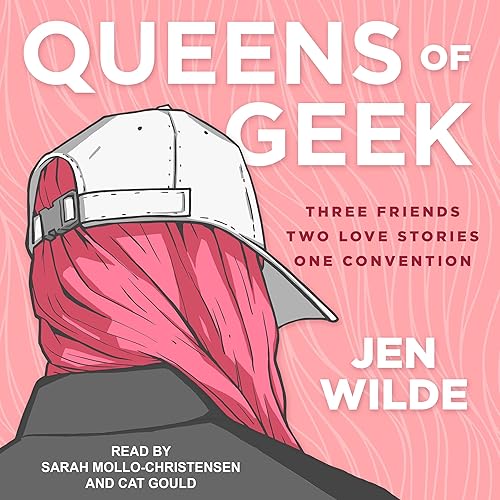
If your kid spends their weekends in Discord servers, scouring AO3, or planning a cosplay that involves three different types of adhesive, they already speak this book’s language. Queens of Geek isn't just set at a convention; it captures that specific, breathless euphoria of being in a place where your "weird" hobbies are the baseline.
For a lot of teens, fandom is where they first learn to socialize on their own terms. Jen Wilde gets the texture of that world right—the long lines, the overpriced merch, and the intense, fast-bonded friendships that form while waiting for a panel. It’s a low-stakes environment for high-stakes emotional growth. If your teen is currently obsessed with a specific niche, this book validates that their interests are a legitimate way to build a community, not just a distraction from "real" life.
Representation That Actually Works
The standout element here is Taylor. While many YA novels treat neurodivergence as a mystery to be solved or a burden for the protagonist to overcome, Wilde treats Taylor’s autism as a standard part of her operating system. It influences how she navigates the sensory nightmare of a crowded convention floor, but it doesn’t stop her from having a messy, sweet, and complicated romantic arc.
It’s a great example of what we look for in Books with Autistic Characters: A Parent's Guide to Representation in Literature—stories where the character’s identity is central but their humanity is the priority. We see Taylor’s internal monologue and her coping mechanisms, which makes her feel like a person rather than a checklist of symptoms. It’s the kind of writing that helps neurotypical readers build genuine empathy while giving neurodivergent readers a rare "that’s me" moment on the page.
The 2017 Time Capsule
Writing about the internet is a dangerous game because the shelf life is so short. Reading this in 2026, the vlogging culture and "Internet-famous" dynamics feel a bit like a relic from a different era. Charlie’s world of YouTube stardom and public breakups predates the TikTok-to-short-form-video pipeline that dominates now.
However, the core friction remains identical. The anxiety of being "perceived" by thousands of strangers and the pressure to maintain a specific public persona is something any kid with a social media account understands. Charlie’s struggle to move past a public breakup with her co-star is a great entry point for talking about digital footprints and how hard it is to hit the reset button on your reputation once it’s been posted online.
Why It Still Hits
If your kid liked Fangirl or is currently deep into "cozy" romance, this is an easy win. It’s a comfort read. There is no world-ending stakes or traumatic "issue" plot. The biggest drama involves whether a crush is reciprocated and whether a fan contest will go well.
Sometimes teens need a break from the heavy, high-trauma realism that dominates the YA charts. This is the literary equivalent of a warm drink and a comfortable hoodie. It’s sweet, it’s affirming, and it reminds kids that they don't have to change the world to be the hero of their own story. They just have to show up.