The Duckie Dilemma
If you’re watching this with a teen today, the biggest point of friction won't be the rotary phones or the lack of texting. It’s Duckie. In 1986, he was the lovable, quirky underdog. In the 2020s, he often comes across as the charter member of the "Nice Guy" club—the kind of friend who thinks his unrequited crush entitles him to a say in who Andie dates.
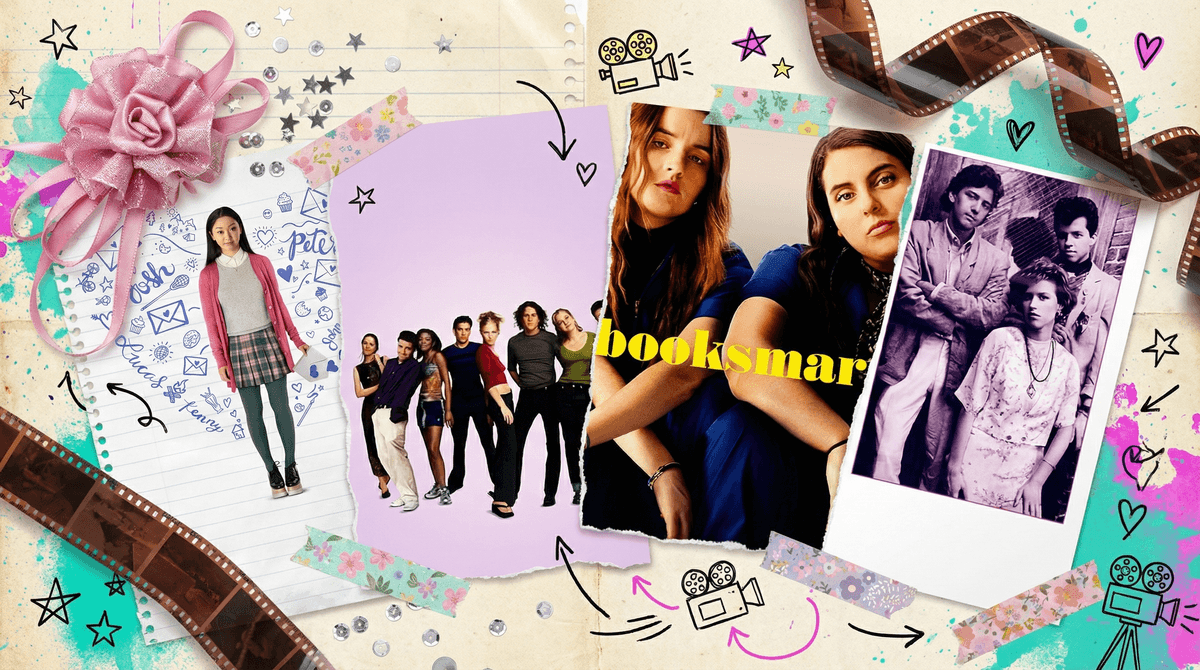
He’s loud, he’s possessive, and his "friendship" often feels like a series of emotional demands. It’s a great entry point for a conversation about boundaries. If your kid finds him charming, they’re seeing the movie through a nostalgic lens. If they find him exhausting, they’re probably more in tune with modern relationship dynamics. It’s worth asking them which side they land on, especially if you’re working your way through other John Hughes classics.
The Thrift Store Ethos
The most enduring part of this movie isn't the romance—it’s Andie’s bedroom. For a generation of kids obsessed with upcycling and finding "grails" at the local Goodwill, Andie is a legitimate icon. She isn't just poor; she’s creative. She treats her wardrobe like an art project, which is a vibe that resonates perfectly with current DIY trends.
While the "rich kids" are draped in boring, expensive linens, Andie is building an identity out of lace and oversized blazers. This is the movie’s real superpower. It celebrates the idea that you can out-style the wealthy kids by being more interesting than they are. If your teen is into fashion or aesthetics, this movie functions as a high-level mood board for 80s New Wave style.
Class Politics in a Pink Dress
Most modern teen movies treat "popularity" as the main social currency. Pretty in Pink is much more interested in money. It’s blunt about the fact that being poor in a rich school isn't just about being "unpopular"—it’s about the constant, low-grade humiliation of having your life scrutinized by people who don't have to worry about the rent.
The "richie" characters aren't just mean; they are condescending in a way that feels incredibly grounded. Blane isn't a villain, but he is weak, and that’s a more interesting character flaw than your standard movie bully. He likes Andie, but he likes his social standing more. Watching him navigate that pressure is one of the few things that keeps the movie from feeling like a total museum piece.
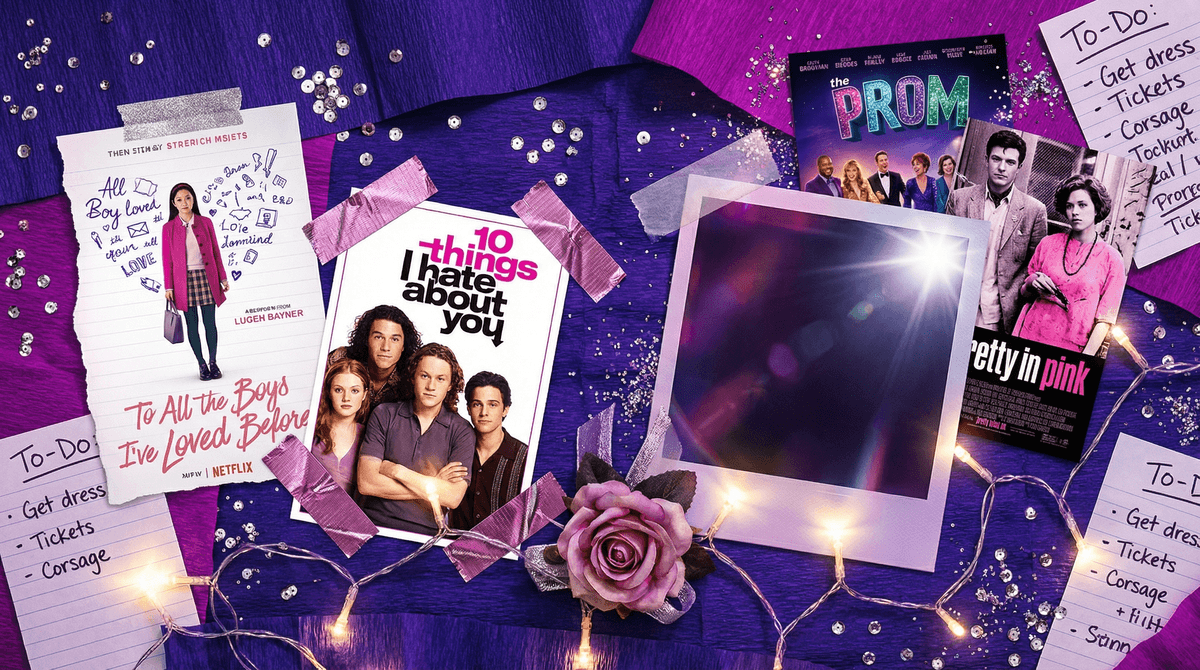
If you’re looking for other prom movies that deal with this kind of social pressure, this is the blueprint. Just be prepared for the ending to feel a little unearned. After ninety minutes of showing how toxic the "richie" world is, the movie’s pivot back to a traditional romantic payoff can feel like a compromise rather than a victory.