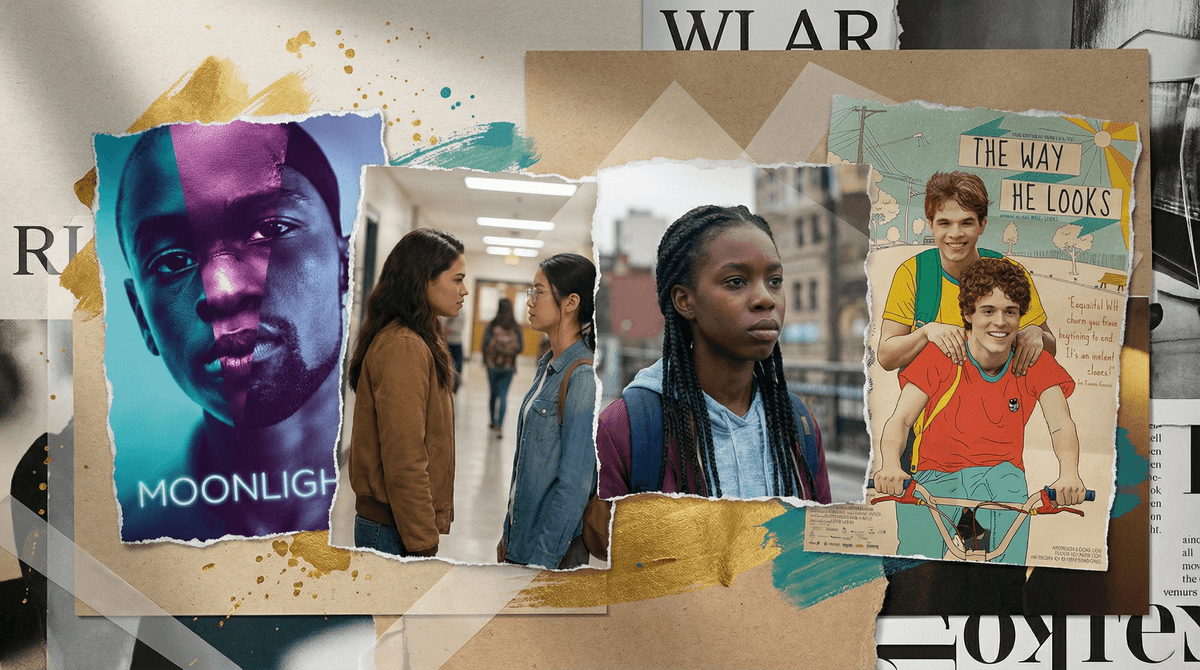
Pariah is the spiritual ancestor to movies like Moonlight, but it trades that film’s dreamlike haze for a sharp, handheld realism that feels almost intrusive. It’s a 2011 release that hasn't aged a day because the central conflict—the performance of identity to survive your own living room—is timeless.
The friction of "the good daughter"
If your teen is used to the glossy, high-fashion version of queer life often seen on TikTok or in modern streaming hits, Pariah will be a reality check. It’s not about finding the perfect outfit for prom; it’s about the physical and emotional labor of existing in a space that wasn't built for you.
The movie focuses on a specific kind of codeswitching. We see the main character change her clothes in a bus station bathroom, swapping the "acceptable" girlhood her mother demands for the clothes that actually fit her soul. It’s a physical manifestation of the mental gymnastics many queer kids perform daily. For a parent, watching this isn't just about understanding a "coming out" story; it's about seeing the exhaustion that comes with hiding in plain sight.
Beyond the "Lady Bird" dynamic
You might be tempted to compare the mother-daughter tension here to something like Lady Bird, but the stakes in Pariah are exponentially higher. The mother isn't just "difficult" or "quirky"—she is a woman trapped by her own rigid expectations of what a respectable Black family should look like.
The film succeeds because it doesn't try to be a "teachable moment." It just exists. For parents, the most interesting character to track might actually be the father. He clearly sees his daughter, yet he is paralyzed by his own desire for peace in the house. It’s a masterclass in how silence can be both a mercy and a betrayal.
How to handle the heavy lift
This isn't a movie you throw on while scrolling your phone. It’s a "watch this with your 17-year-old and then go for a walk" kind of experience. Because it deals so heavily with the intersection of race, religion, and sexuality, it’s one of the best examples of LGBTQ+ movies exploring intersectionality you can find.
If your teen is starting to explore more serious indie cinema, this is a foundational text. It’s a tough watch, but the ending provides a sense of agency rather than just tragedy. It doesn't promise that the family will fix itself, but it does promise that the protagonist will be okay once she finds her own voice. That’s a much more honest, and ultimately more useful, message for an older teen than a sanitized Hollywood happy ending.