

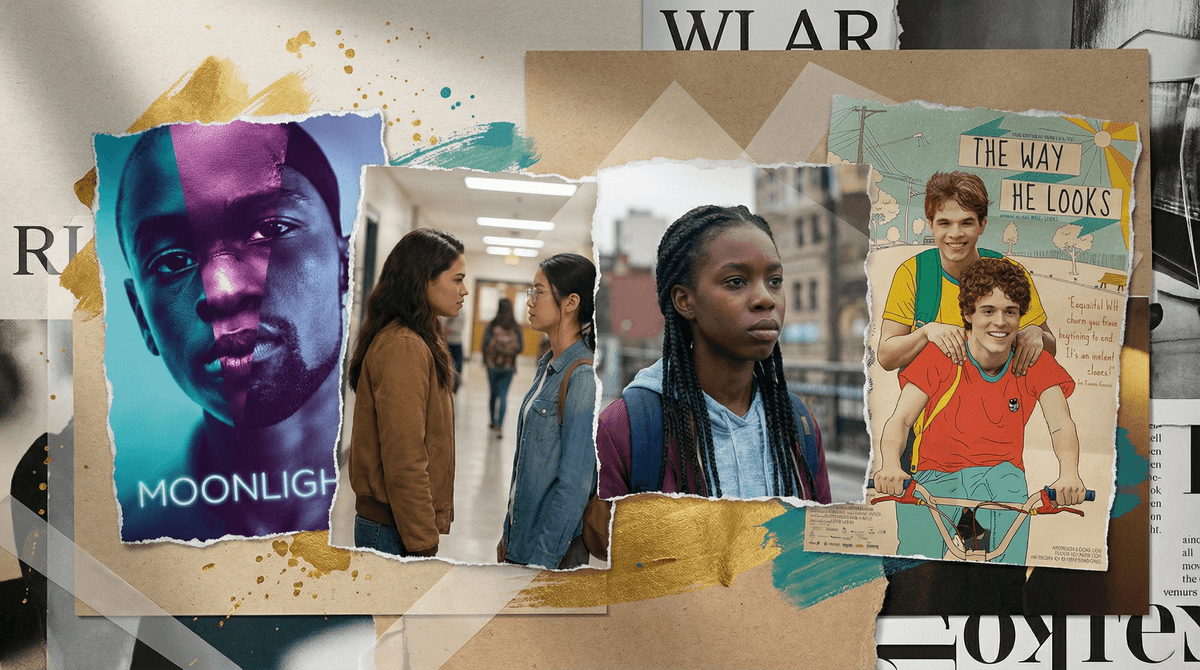
Intersectionality is basically the recognition that people hold multiple identities at once—and those identities interact in complex ways. A queer Black teenager experiences the world differently than a white queer teenager. A trans Latina woman faces different challenges than a trans white woman. When we're talking about LGBTQ+ movies that explore intersectionality, we're looking at films that don't just tell "coming out" stories—they dig into how being queer intersects with race, class, disability, immigration status, religion, and other identity markers.
These aren't your standard "gay best friend" sidekick movies. We're talking about films where characters are fully realized humans whose queerness is central to their story, but so are their other identities. Think Moonlight exploring Black masculinity and queerness, or The Half of It tackling Asian American identity alongside lesbian awakening.
And here's the thing: these movies matter for all kids, not just LGBTQ+ kids. They build empathy, challenge stereotypes, and show that there's no single way to be queer—or to be human.
Your kids are growing up in a world where identity is more openly discussed than ever before. They're seeing Pride flags at school, hearing about pronouns, and probably have classmates with two moms or two dads. But the representation they're getting in mainstream media? Often pretty one-note. White, cisgender, usually affluent gay characters dominating the screen.
Films that explore intersectionality fill in the gaps. They show that the LGBTQ+ community isn't a monolith. They demonstrate how systems of oppression overlap and compound. And frankly, they're often just better, more interesting stories because they reflect the actual complexity of real life.
For LGBTQ+ kids—especially those who hold multiple marginalized identities—seeing themselves reflected on screen can be genuinely life-changing. For kids who aren't LGBTQ+, these films build understanding and challenge the default narratives they've been absorbing since birth.
Ages 10-13:
- The Half of It - A beautiful, gentle coming-of-age story about a Chinese American teen who's a lesbian Cyrano de Bergerac. It's rated PG-13 and handles first love with real tenderness while exploring immigrant family dynamics and class differences.
- Akeelah and the Bee - While not explicitly LGBTQ+, it's worth noting for families exploring intersectionality broadly. But if you want something more directly queer for this age, stick with The Half of It or wait for the next age bracket.
Ages 14+:
- Moonlight - This one's rated R, and for good reason (some violence, drug use, sexual content). But for mature teens, it's an absolutely stunning exploration of Black masculinity, poverty, and queerness. Watch it together and be ready to talk.
- Pariah - Follows a Black lesbian teenager in Brooklyn navigating her identity within her family and community. Also rated R (some sexual content), best for ages 16+.
- The Way He Looks - A Brazilian film about a blind gay teenager. It's gentle, sweet, and explores disability alongside queerness. Not rated in the US but appropriate for ages 14+.
- Fire Island - A modern Pride and Prejudice set in the gay party scene, but centering Asian American and diverse queer characters. Rated R for language and sexual content, ages 16+.
Ages 17+:
- Tangerine - Shot entirely on iPhones, following two trans women of color on Christmas Eve in LA. It's raw, funny, and real. Definitely R-rated (sex work, language, adult themes).
- Paris Is Burning - The documentary that introduced the world to ballroom culture. Essential viewing for understanding Black and Latinx LGBTQ+ history, drag culture, and where terms like "shade" and "voguing" come from. Some mature themes but mostly appropriate for older teens.
These aren't "issue movies"—they're just good movies. Yes, they deal with serious topics like discrimination, family rejection, and systemic oppression. But they're also love stories, coming-of-age tales, and character studies. Don't approach them as homework.
Your kid might relate in ways you don't expect. Even if your child isn't LGBTQ+, they might connect with the feeling of being different, of navigating multiple worlds, of not fitting neatly into boxes. That's kind of the point.
Content warnings are your friend. Many of these films deal with heavy topics—violence, sexuality, substance use, family conflict. Check Common Sense Media or read parent reviews on Screenwise before hitting play. Know your kid's maturity level.
Watch together when possible. These films spark conversations. You don't need to have all the answers, but being present to process together is valuable. If your teen wants to watch alone first, that's fine too—just check in afterward.
Be ready for "why is everyone sad?" Real talk: many LGBTQ+ films, especially those exploring intersectionality, deal with trauma and hardship. That's reality for many queer people, especially those facing multiple forms of discrimination. But there are also films with happy endings, joy, and celebration. Balance is key.
Before watching: "This movie explores what it's like to be [identity] and [identity]. The character faces some challenges we might not experience, but their story can help us understand different perspectives."
During/after: Ask open-ended questions:
- "What did you think about how [character's] family reacted?"
- "How do you think being [identity] affected how [character] experienced [situation]?"
- "What surprised you about this story?"
If your kid is LGBTQ+: "Did this feel accurate to you? What resonated? What felt off?" Let them be the expert on their own experience.
If they ask hard questions: It's okay to say "I don't know" or "Let's look that up together." Find conversation starters for talking to kids for conversation starters.
Films exploring LGBTQ+ intersectionality aren't niche content—they're essential storytelling that reflects the actual diversity of human experience. They're not going to "turn your kid gay" (that's not how it works), but they might turn your kid into a more empathetic, thoughtful person who understands that identity is complex and everyone's story matters.
Start with age-appropriate options, watch together when you can, and be open to learning alongside your kids. These films aren't just about representation—they're about recognizing our shared humanity while honoring what makes each of us unique.
- Browse LGBTQ+ movies on Screenwise for more recommendations tailored to your family
- Check out how to talk to kids about gender and sexuality for conversation frameworks
- Explore diverse books for kids if you want to extend the conversation beyond film
- See details about any of these films to help decide what's right for your family to help decide what's right for your family