The vertical social experiment
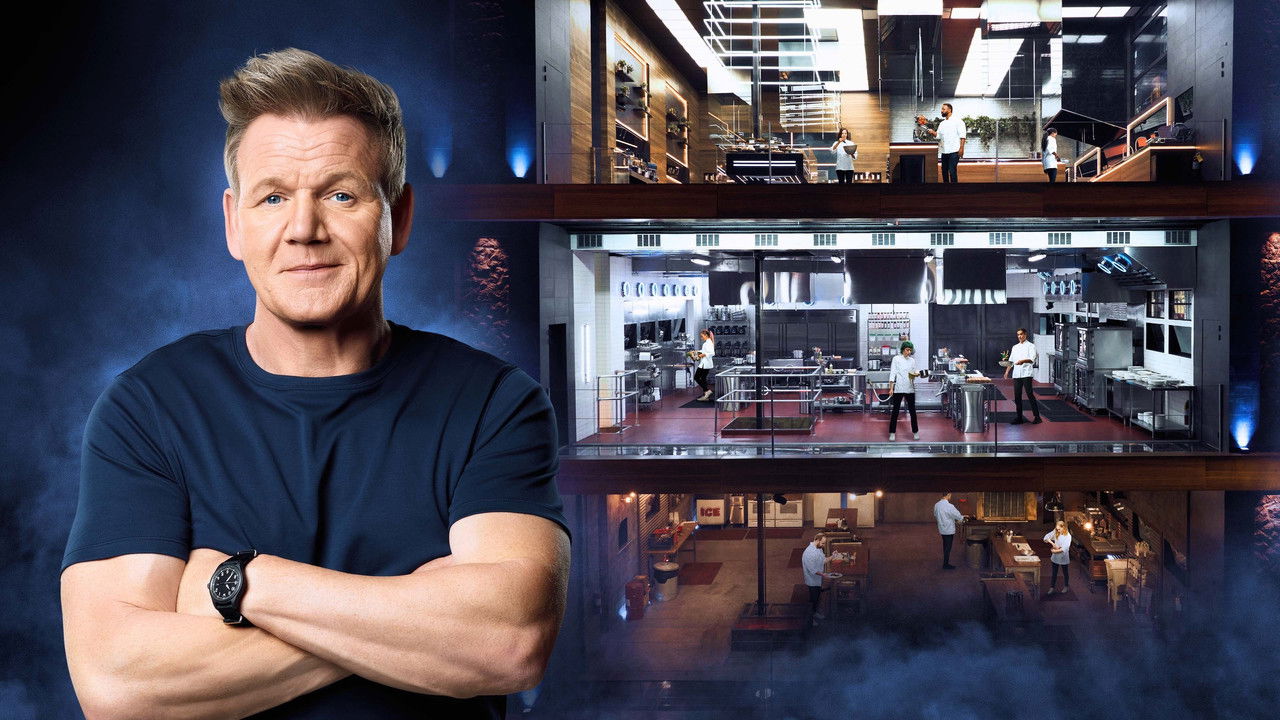
The hook here isn't just the cooking; it’s the hierarchy. By stacking three kitchens on top of each other, the show introduces a literal class system that most junior competitions lack. The top floor is a chef's fever dream with high-end tech and premium proteins, while the basement is a cramped, dimly lit space with equipment that looks like it was scavenged from a yard sale.
For a kid watching at home, this adds a layer of strategy that goes beyond following a recipe. They aren't just watching peers cook; they're watching them problem-solve in real-time. When a kid in the basement has to produce a five-star dish using a dull knife and a temperamental stove, it shifts the focus from "who is the best cook" to "who is the most resilient." It’s a great way to talk about resourcefulness without it feeling like a lecture.
The Ramsay paradox
If you’ve seen the adult version of this show, you know the vibe is chaotic. In the junior edition, the intensity remains, but the mentorship softens. Gordon Ramsay has a well-documented gear shift when he works with minors—he’s still demanding, but the vitriol is replaced by high-octane encouragement.
However, don't mistake "softer" for "easy." The ticking clock and the platform mechanic—where a moving elevator of ingredients descends through the floors—create a frantic energy. If your child is the type to get stressed out when a timer starts beeping on a microwave, this might be a tough watch. But for kids who thrive on the "gameified" aspect of reality TV, it’s far more engaging than the standard studio-kitchen setup. If you're trying to decide between this and his other ventures, checking out a guide on Gordon Ramsay's cooking shows for children can help you gauge which level of "Ramsay" is right for your living room.
Why it works for the "MasterChef" graduate
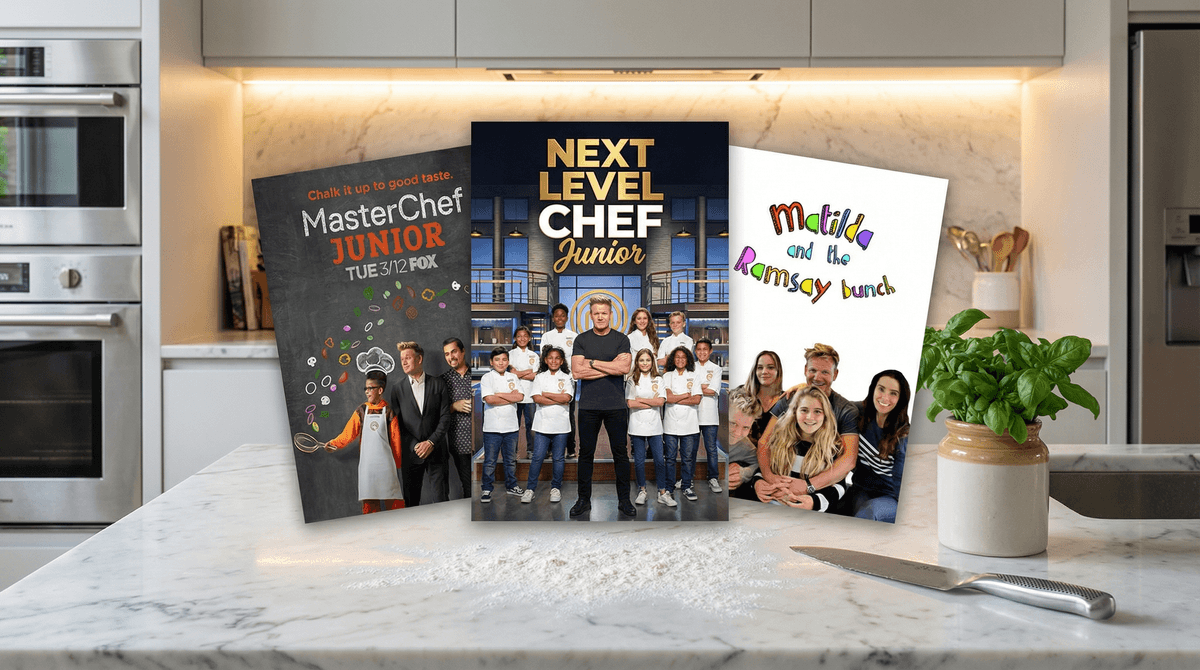
Most kids who find their way to Next Level Chef Junior on Hulu or Tubi have already burned through MasterChef Junior. This show feels like the natural graduation. It’s grittier, the stakes feel higher because of the physical environment, and the "grab what you can" ingredient platform adds a chaotic, sports-like element.
It also serves as a subtle lesson in pivot-ability. In the basement, the contestants often don't get the ingredients they wanted. Watching a twelve-year-old realize their plan for a pan-seared duck is ruined because the platform didn't stop in time—and then watching them turn a random basket of root vegetables into a winning dish—is the real draw.
The friction points
The "reality" in this reality TV is heavy. The editing is fast, the music is cinematic, and the "life-changing" stakes are mentioned every five minutes. While the educational value regarding techniques is there, it’s often buried under the drama of the platform moving or a contestant nearly dropping a plate.
If your kid is looking for a step-by-step tutorial, they won't find it here. This is about the spectacle of professional-grade talent in a high-pressure environment. It’s less of a cooking class and more of a culinary thriller. If they can handle the "Hunger Games" energy of the basement kitchen, they’ll likely find it the most exciting cooking show on their radar.