A sequel that actually justifies its existence
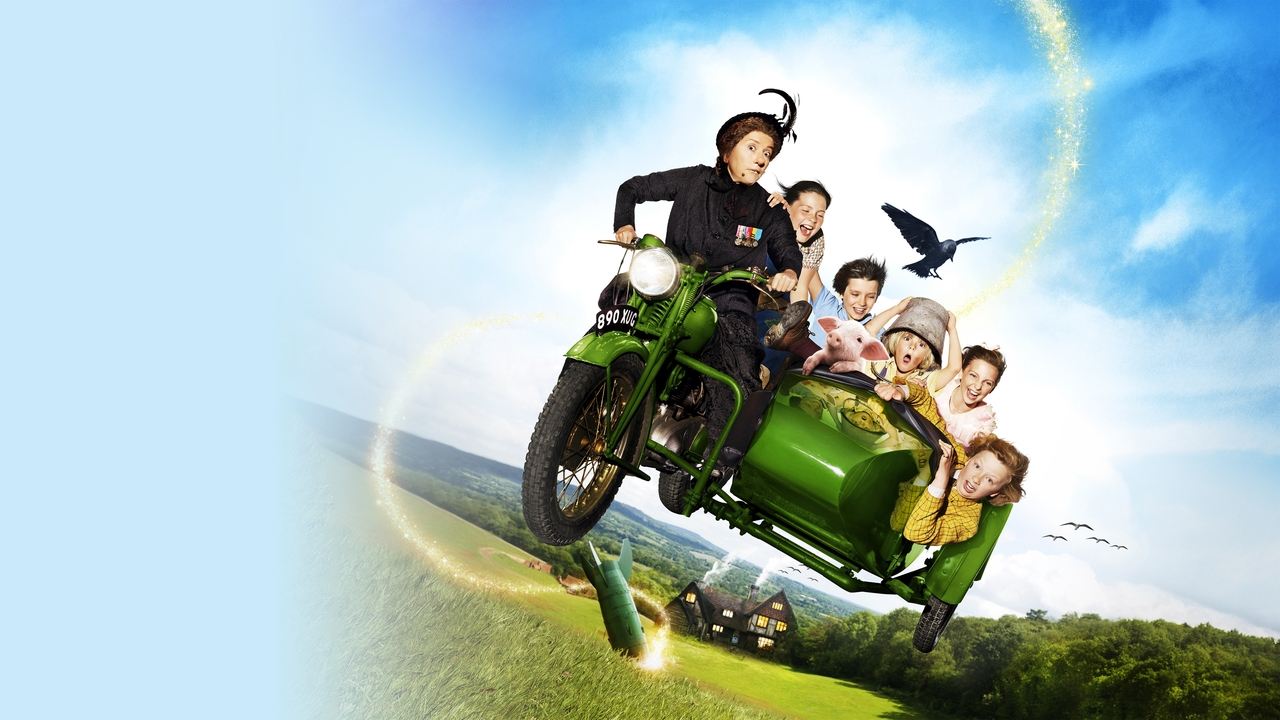
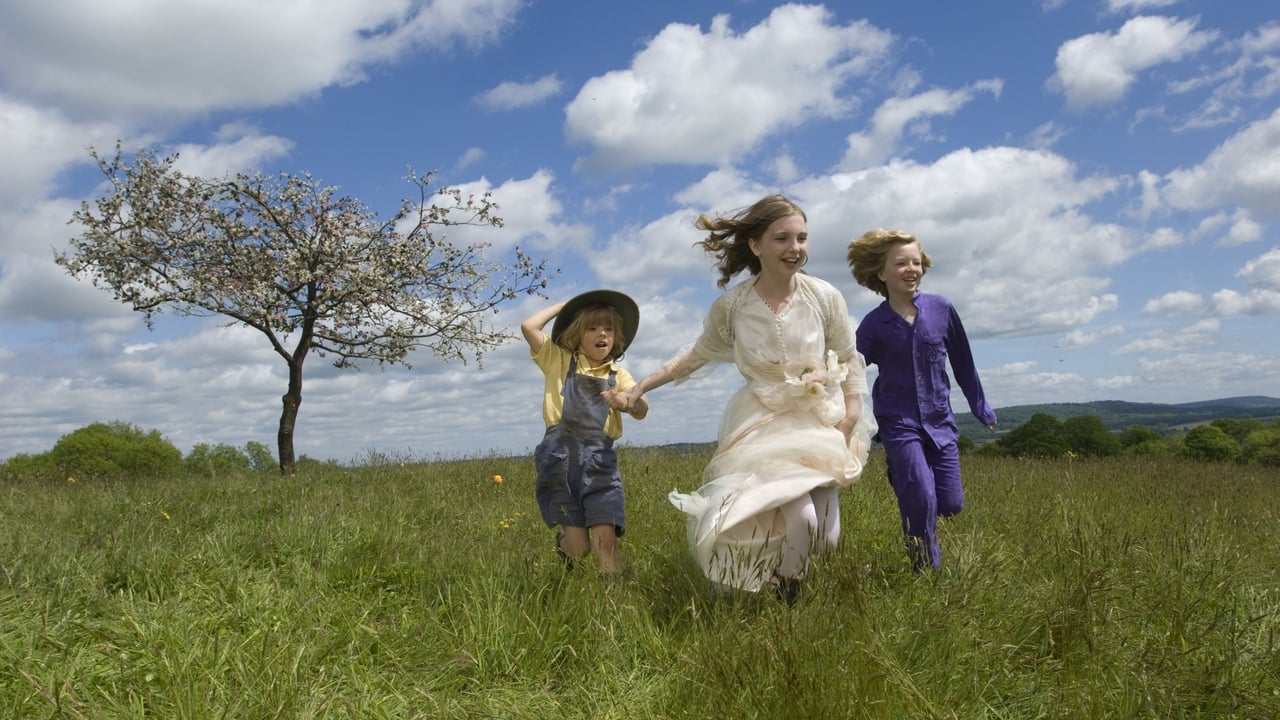
Most sequels in this lane feel like a cynical retread, but this one shifts the gears entirely. Moving the action from the first film’s Victorian setting to a messy, mud-caked farm during the Second World War gives the story much higher stakes. It’s a rare follow-up that manages to be more ambitious than its predecessor without losing the core gimmick that worked the first time.
The critics on Rotten Tomatoes liked this one significantly more than the general audience did, and it’s easy to see why. It’s a very British, slightly eccentric film that doesn't feel the need to move at a breakneck, "content-farm" pace. If your family is used to the frantic energy of modern animated sequels, the slower build here might feel jarring at first. Stick with it. The payoff isn't just a happy ending; it’s a genuine sense of relief that these kids have finally stopped being monsters to one another.
The "ugly" elephant in the room
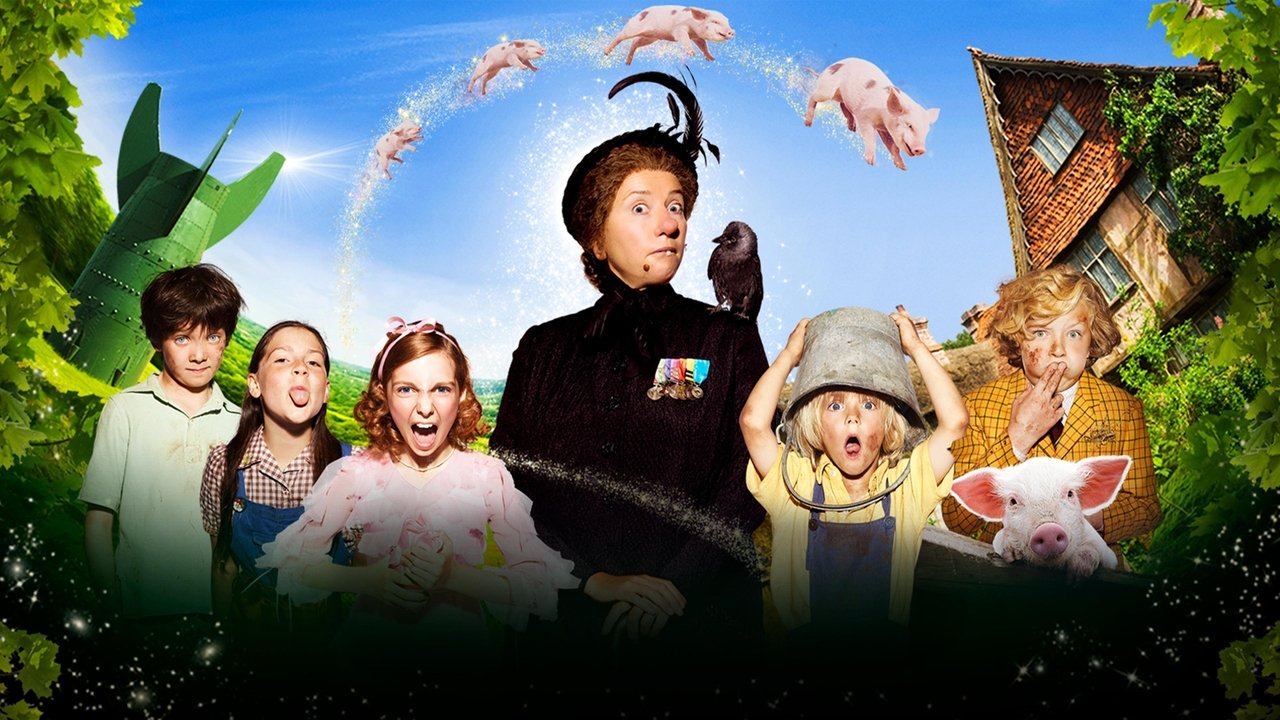
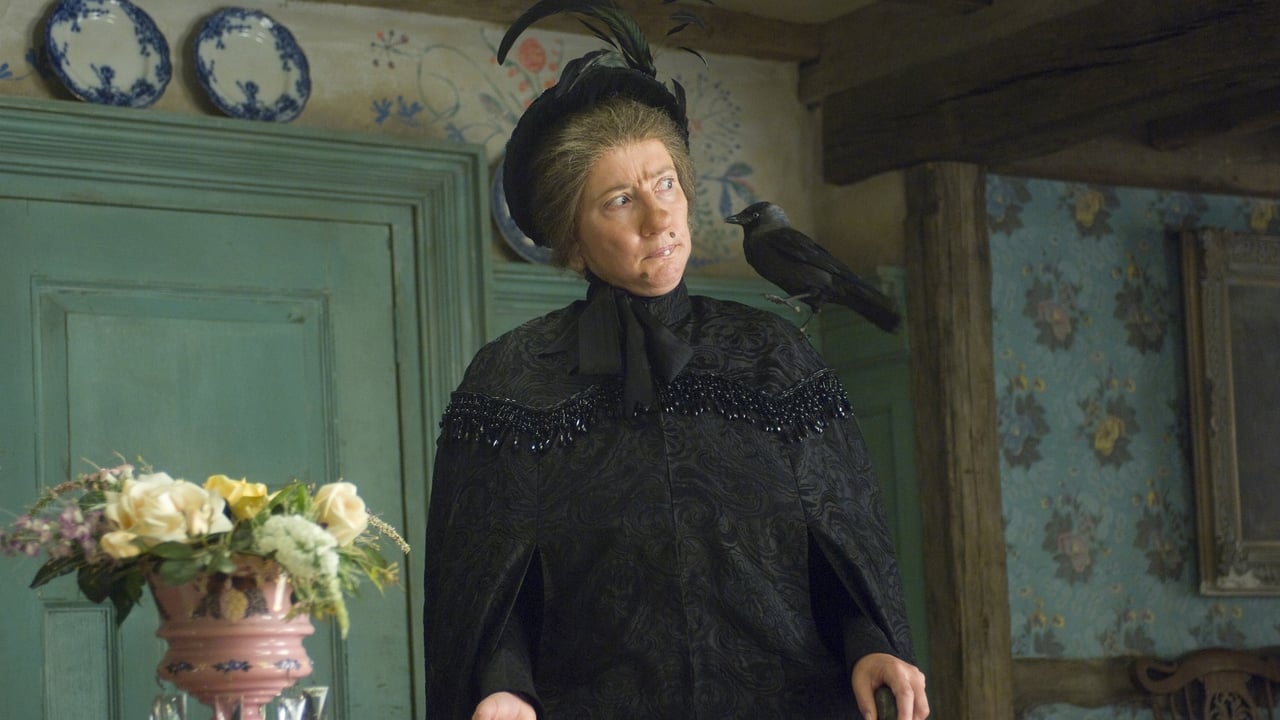
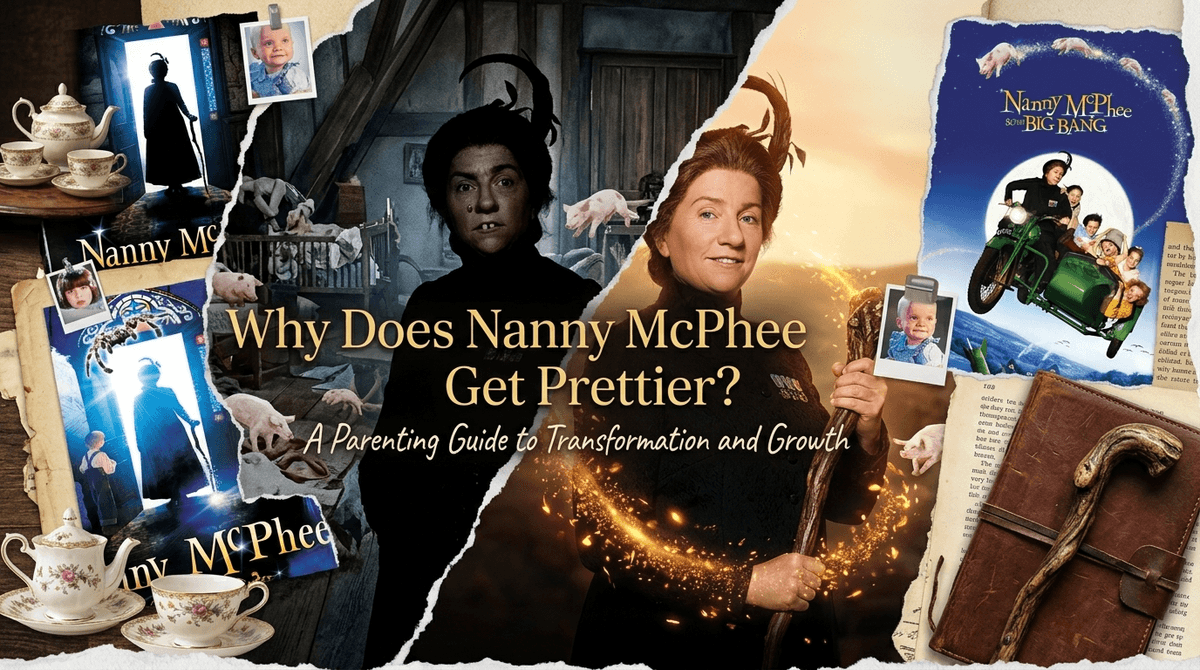
The central hook remains Nanny McPhee’s physical appearance. As the children learn her lessons, her warts and unibrow miraculously vanish. It’s a literal manifestation of the kids’ internal growth, but it can be a weird concept to explain to a six-year-old who just thinks she’s wearing a mask.
If you want to get ahead of the "why does she look like that?" questions, check out our guide on Why Does Nanny McPhee Get Prettier? A Parent's Guide. It breaks down the metaphor of perception and inner beauty so you don't have to wing an explanation while the piglets are doing their synchronized swimming routine.
Real grit vs. movie magic
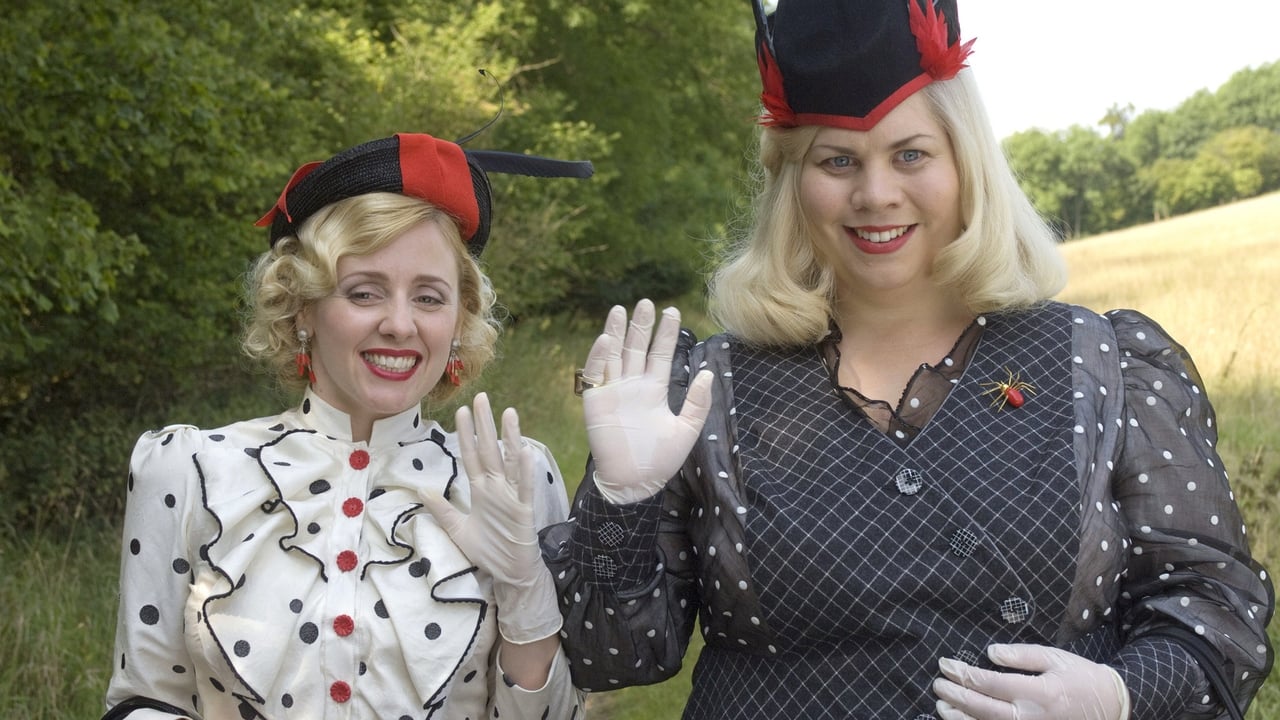
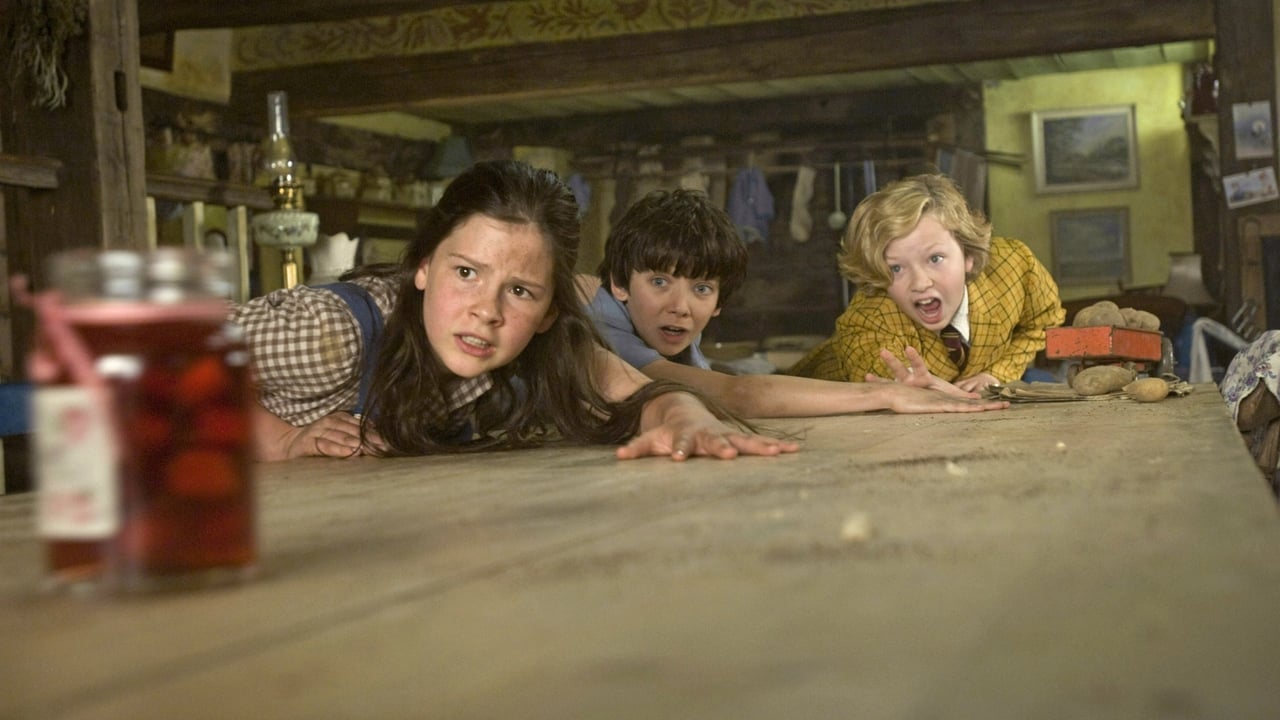
The movie balances some heavy reality with its whimsy. The "city vs. country" conflict isn't just about different clothes; it’s about deep-seated resentment and the anxiety of having a father away at war. The cousin character, Cyril, isn't just a brat—he’s a kid who feels abandoned by a cold father.
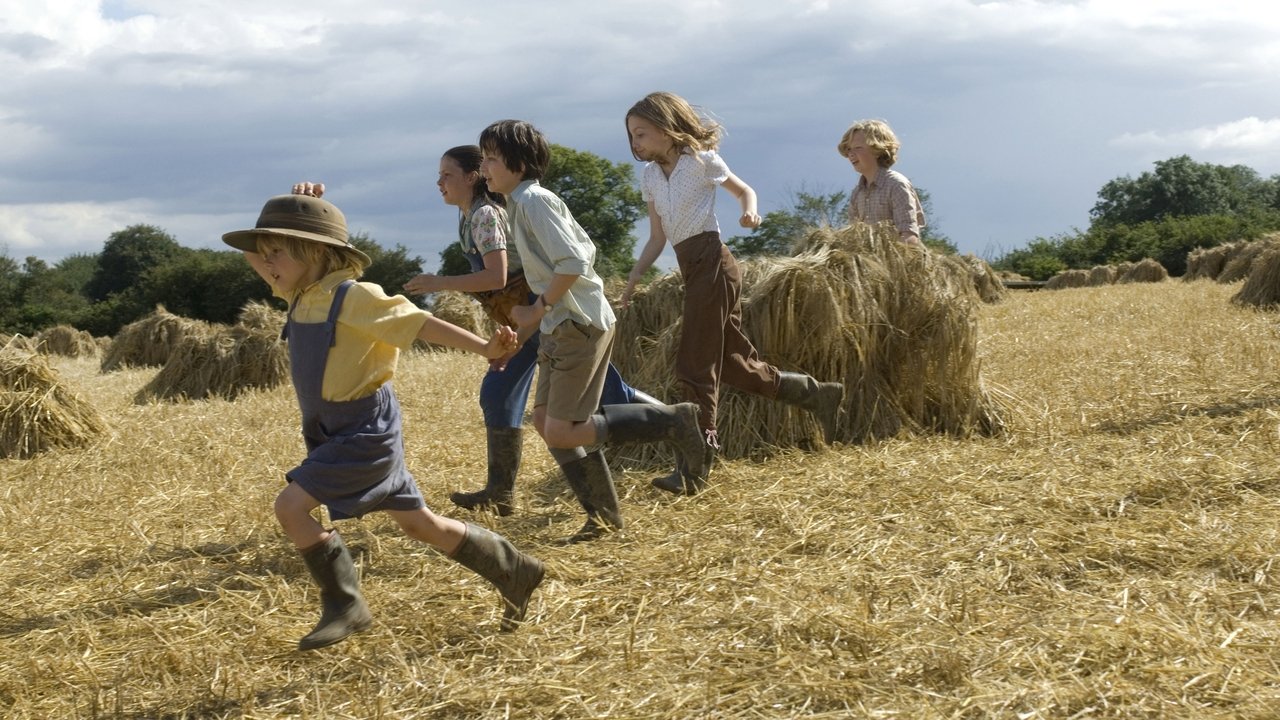
This isn't a "sit back and turn your brain off" movie. It’s the kind of film that works best when you’re actually watching it with your kids rather than just having it on in the background. The scene with the unexploded bomb in the barley field is a perfect example. It’s tense, but it’s handled with a level of respect for the kids' capability that you don't often see in modern family fare.
If your kid liked Paddington
If your household is a fan of the Paddington movies, this is the logical next step. It shares that same DNA of "kindness and manners matter," but it's draped in a slightly more rugged aesthetic. While Paddington is a warm hug, Nanny McPhee Returns is more like a firm handshake from a teacher you eventually realize was your favorite.
The animal antics—the tree-climbing piglets and the baby elephant—provide enough slapstick to keep the younger ones from getting bored during the talkier bits about the farm’s finances. It’s a high-quality production that respects the intelligence of its audience, which explains why the Letterboxd crowd keeps it in their rotation long after the kids have outgrown the target age range.