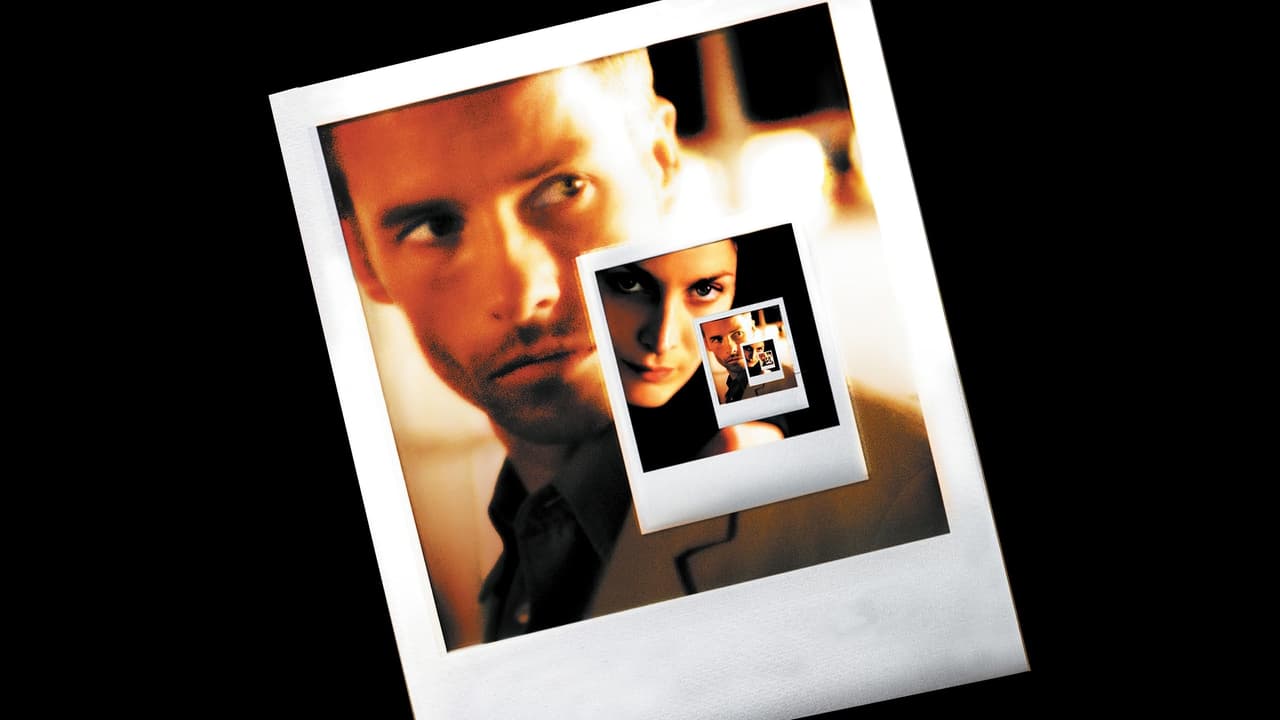
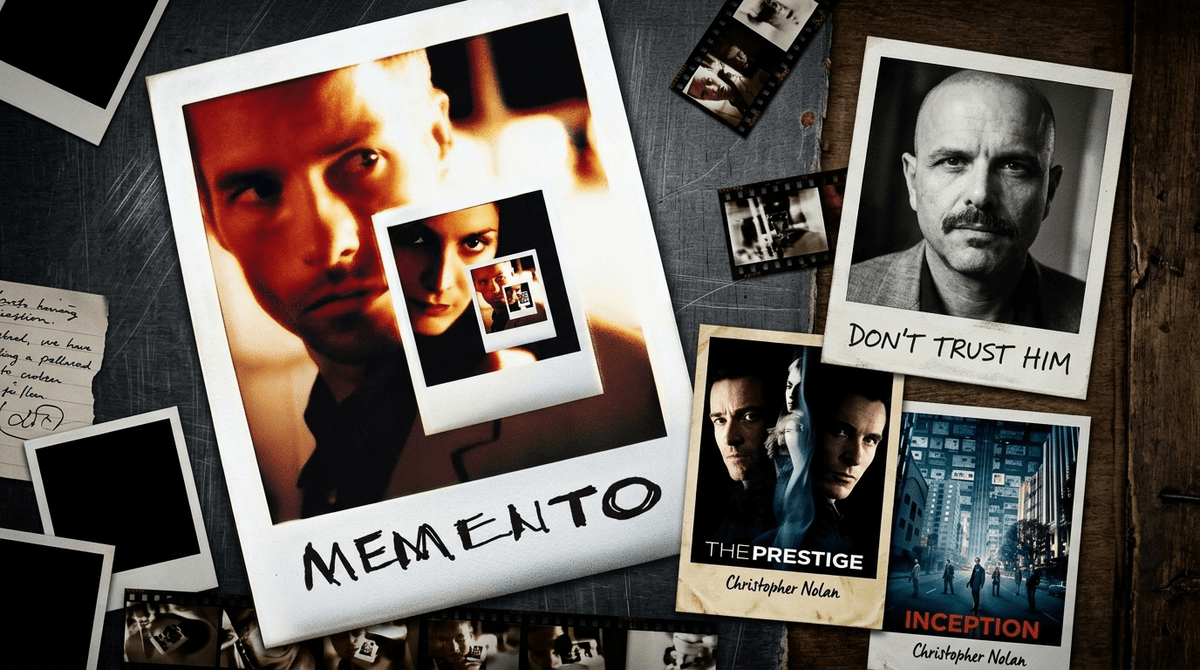
If you have a teen who thinks they’re the smartest person in the room, this is the movie to humble them. Most thrillers offer a mystery you can solve if you pay enough attention, but Memento is a mechanical gauntlet. It doesn’t just tell a story about memory loss; it forces the viewer to experience the same disorientation as Leonard.
The logic puzzle
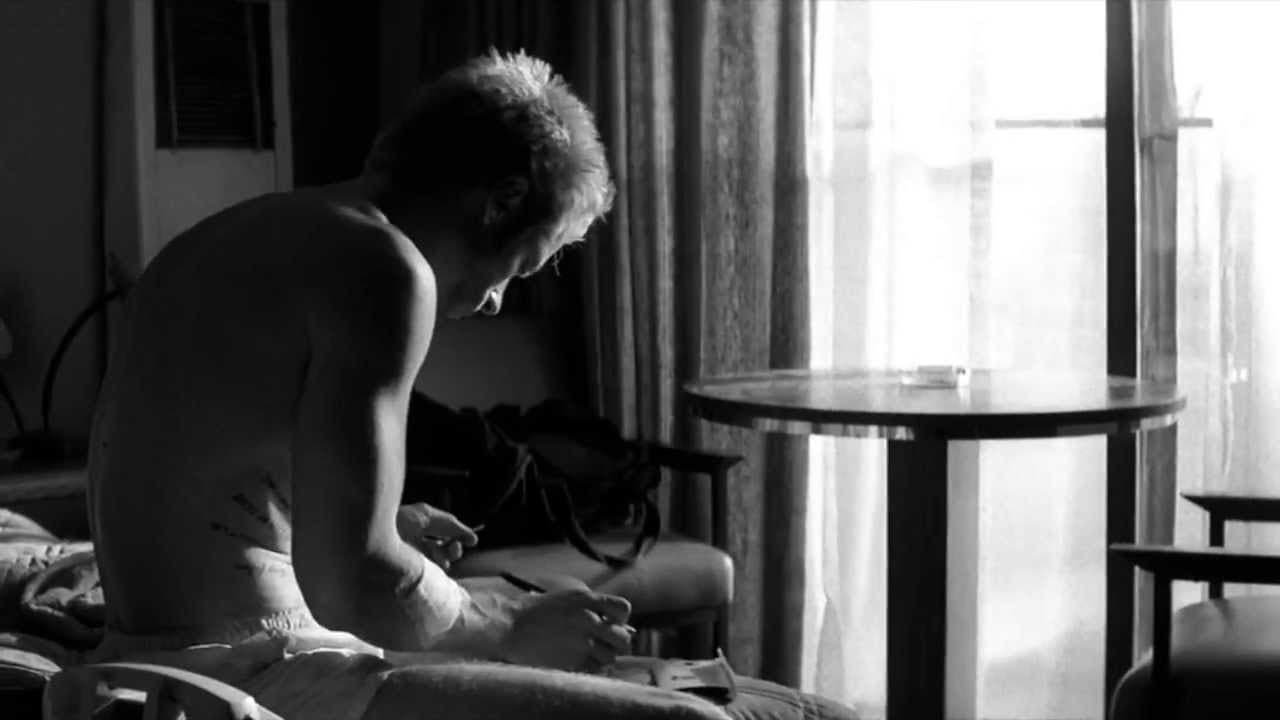
The structure is the star here. The film is divided into two alternating timelines: one in color moving backward, and one in black-and-white moving forward. They meet in the middle to create a complete picture of a single, terrible day. It’s a gimmick, sure, but it’s a functional one. By starting every color scene at the exact moment the previous one ended, we enter every conversation with the same "Wait, what's happening?" vibe as the protagonist.
This is the ultimate "no phones allowed" movie. If you look down to check a text for thirty seconds, the entire logic of the scene collapses. It’s a great pick for a family movie night where you actually want to talk afterward, mostly because you’ll spend the first ten minutes after the credits arguing about what actually happened first.
Why it sticks for teens
For a certain type of kid, this is a rite of passage. It’s often the first "adult" movie that makes them realize film can be more than just a linear delivery system for plot. If they are already starting to explore psychological thrillers for teens, this is the gold standard of the "unreliable narrator" trope.
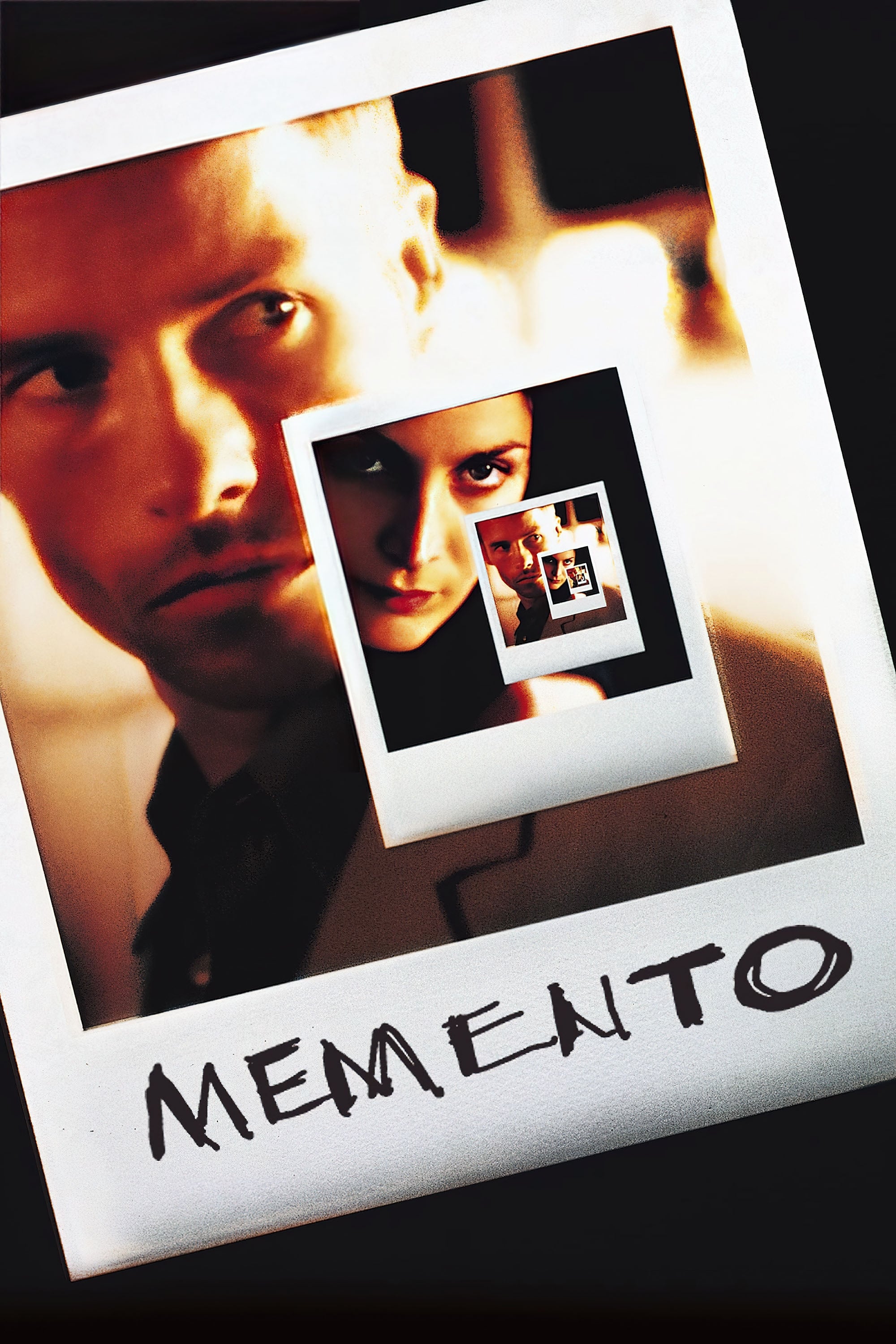
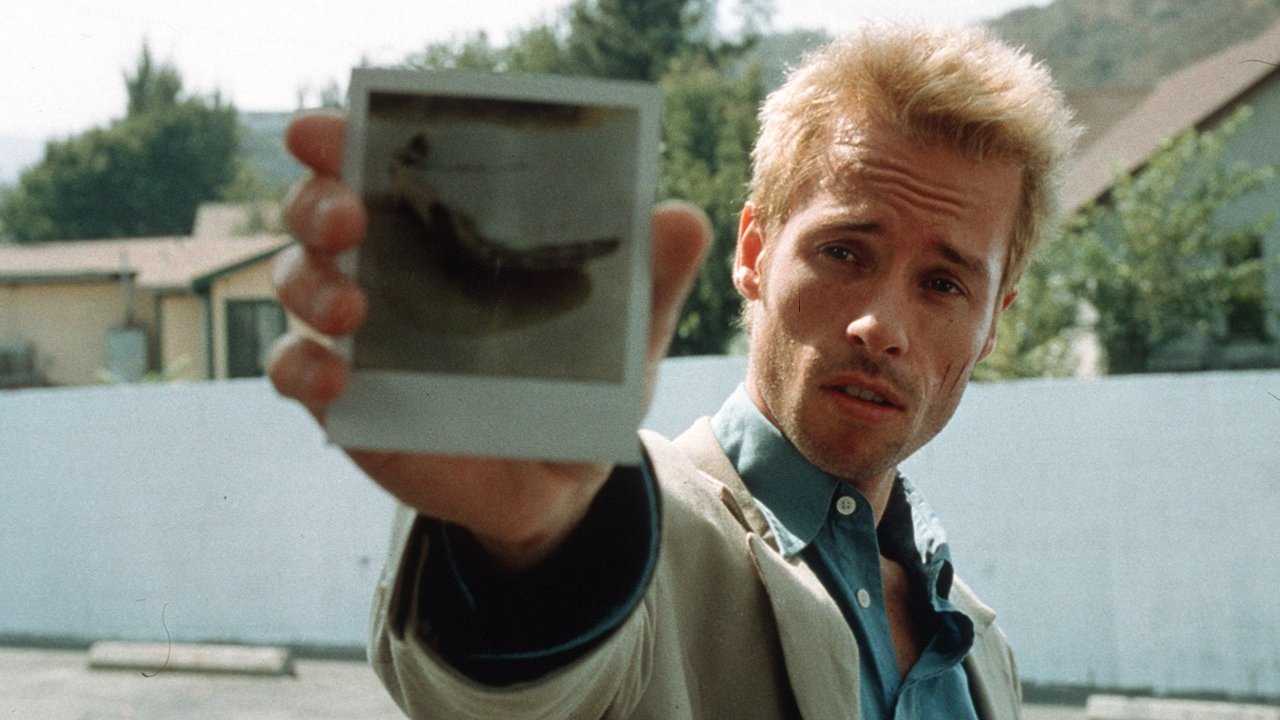
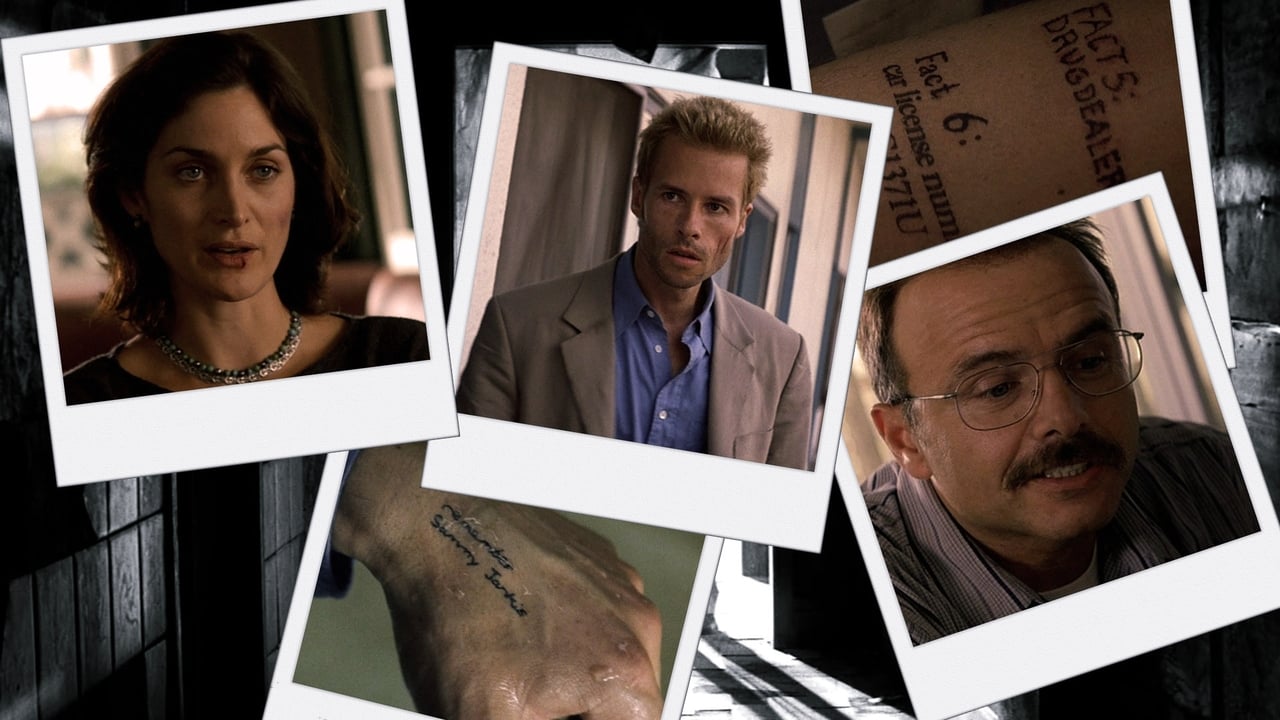
It works because it respects the audience. It doesn't use a narrator to explain the gaps or a handy flashback to clear up the confusion. It assumes you’re keeping track of the Polaroids and the tattoos right along with Leonard. For a teen who feels like most media is "dumbed down" for them, the complexity of this script feels like a compliment.
The friction points
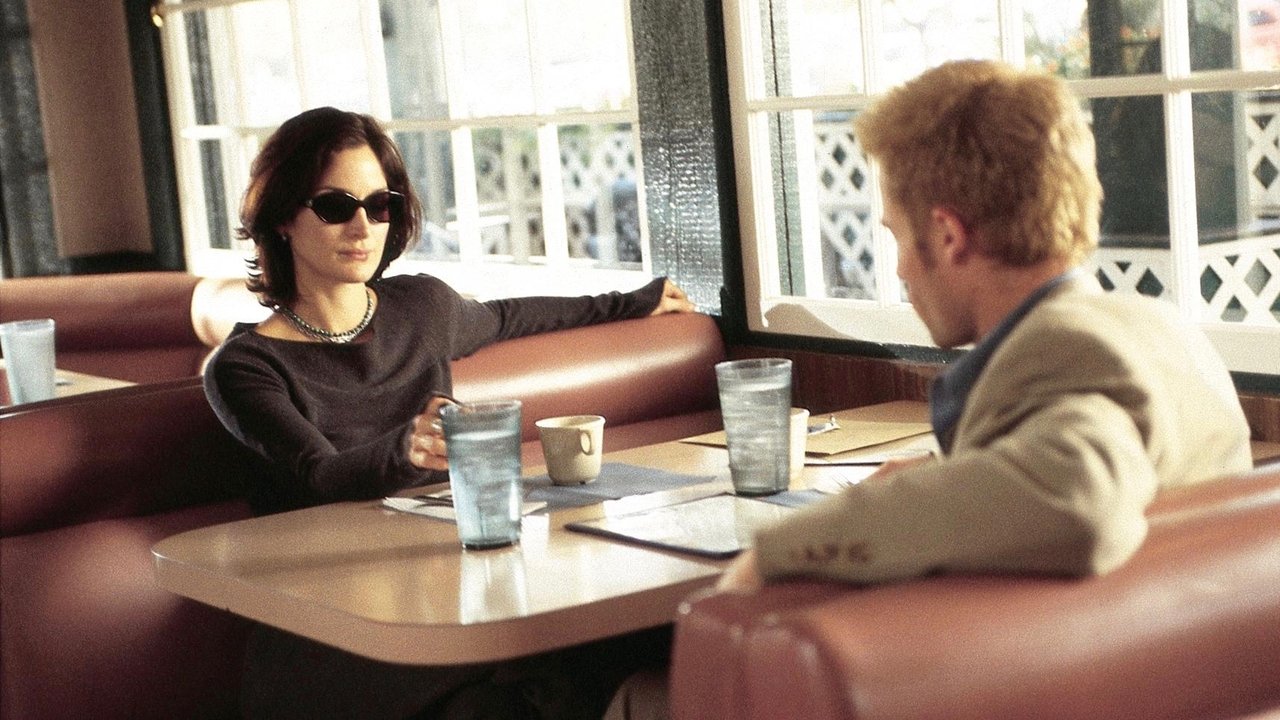
While the "detective" element is engaging, the movie is undeniably bleak. There is no "fun" heist energy or lighthearted banter. The world Leonard inhabits is populated by people who realize his condition makes him the perfect tool, and the way they exploit him is often more uncomfortable to watch than the actual violence.
The violence itself is punchy and realistic rather than stylized. It’s not a "body count" movie, but when the blood shows up, it carries weight. If your kid is sensitive to themes of gaslighting or the idea of being trapped in one’s own mind, this might be a heavy lift. But if they’re ready for a movie that treats its protagonist as both a victim and a potential villain, this is a masterclass in perspective.
How to watch it
Don't try to explain it to them while it's running. Let them be confused. The "Aha!" moments in the final act only land if you’ve spent the previous two hours feeling slightly adrift. If they enjoy the challenge, it’s worth noting that the film has a massive cult following on Reddit and film forums, making it a perfect entry point into "film bro" culture—for better or worse. It’s the kind of movie that rewards a second viewing almost immediately, just to see how the ending (which is actually the beginning) recontextualizes every single lie told along the way.