The "reluctant reader" holy grail
If you’ve been trying to pry a controller out of your teenager’s hands and replace it with a book, this is the specific bait you’ve been looking for. Most tie-in novels are lazy cash-ins that recap the plot of the game you already played. This isn't that. It’s an original story that understands exactly why the games work: it’s about the vulnerability of being a small kid in a world built for monsters.
The prose is surprisingly sharp. It doesn't rely on cheap jump scares because, well, it’s a book. Instead, it leans into "environmental dread." Everything feels slightly damp, too large, and fundamentally wrong. If your kid is into the "liminal space" or "analog horror" trends on YouTube, this will hit that same nerve.
Why the carnival setting works
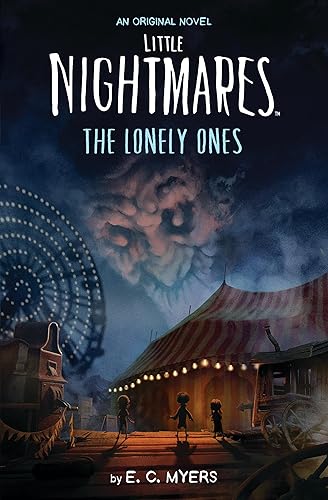
We’ve all seen the "creepy circus" trope a thousand times, but The Lonely Ones uses it to highlight the game’s core theme of being watched. The "nightmarish carnival" Ruse wakes up in isn't just spooky—it’s a meat grinder for kids.
The friction for parents usually comes from the character design. One of the companions has a frayed rope around her neck. It’s a heavy, loaded image that the book treats with a sort of grim matter-of-factness. It’s not there for shock value; it’s part of the series' visual language for how the world "breaks" children. If you’re worried about the psychological weight of that imagery, our parent’s guide to Little Nightmares: The Lonely Ones breaks down the reality of how this brand of horror lands with middle schoolers.
If they liked Coraline or FNAF
This sits in that sweet spot between the whimsical creepiness of Coraline and the lore-heavy obsession of Five Nights at Freddy’s.
- The "Lonely" Factor: Unlike the games where you’re often solo, the dynamic between Ruse and the other two kids adds a layer of "can I trust you?" that keeps the pacing fast.
- The Lore: For the superfans, there are enough breadcrumbs here to keep them theorizing on Reddit for weeks.
- The Ending: It’s bleak. If your kid needs a "everyone wins and the sun comes out" resolution, they will hate this. This is for the kid who likes the tragedy of the genre.
How to use it
This is a great "bridge" book. If they’ve finished the Goosebumps or Fear Street phase and find them too "kiddie," this is the level-up. It deals with more complex feelings of isolation and the fear of "warping" into something else—a metaphor for growing up that most 13-year-olds are currently living through, even if they won't admit it.
Don't be surprised if they finish it in one sitting. It’s built for speed, not for a month-long deep study. Just be ready for the "Is there a sequel?" question as soon as they close the back cover.