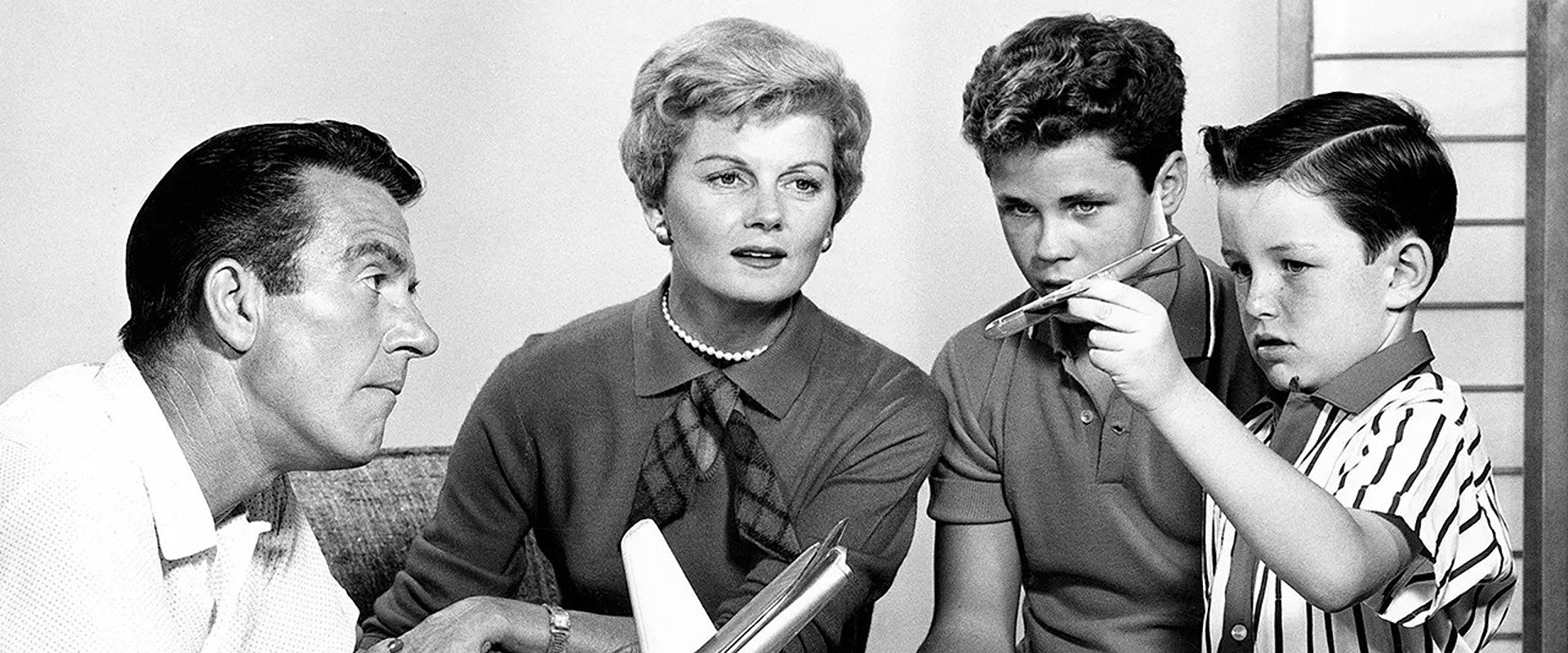
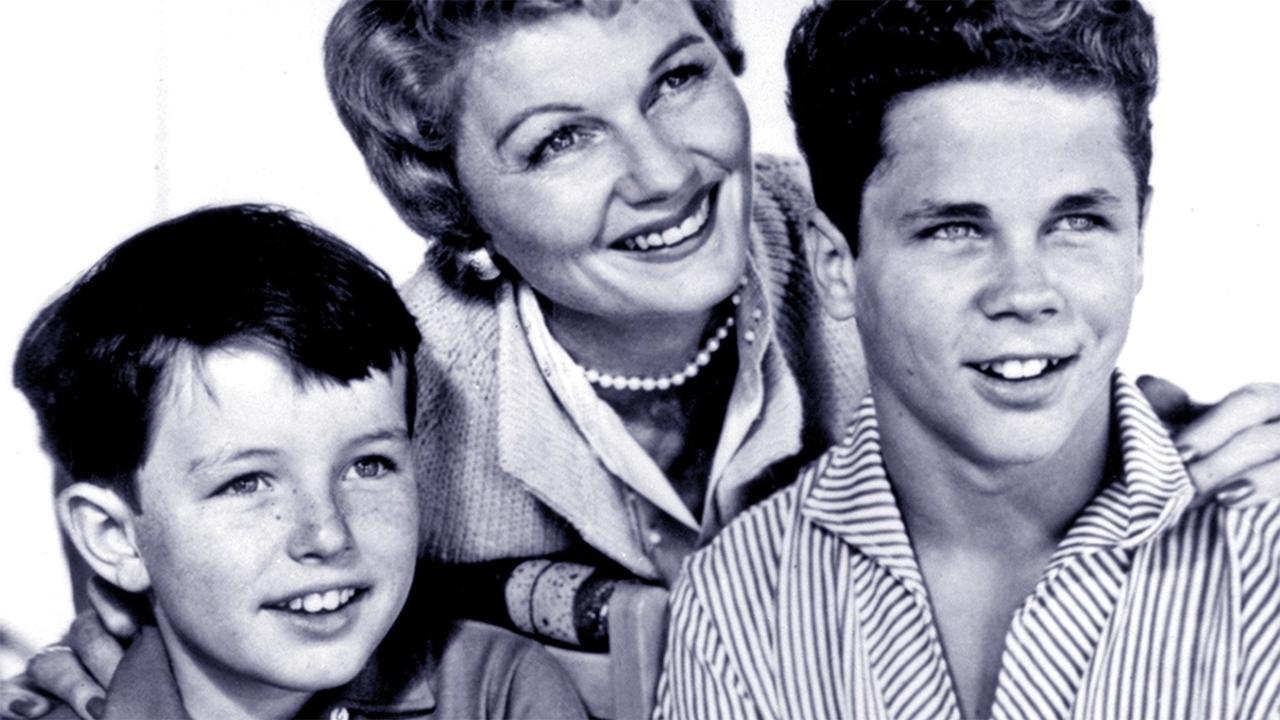
If you’re scrolling through Peacock or Prime and see that 7.6 IMDb rating, don’t be fooled into thinking this is a hidden gem for your eight-year-old. That score is fueled by a very specific kind of longing for a world that never really existed. For a modern kid, watching Beaver and Wally navigate Mayfield is about as exciting as watching paint dry—in black and white.
The Low-Stakes Friction
The biggest hurdle for a 2026 audience isn't the lack of CGI; it’s the stakes. In an era where even "gentle" modern shows involve high-energy humor or fast-paced editing, Leave It to Beaver operates on a different plane of existence. An entire episode might revolve around a lost library book or a haircut that went slightly wrong.
While there is something objectively sweet about a world where these are the biggest problems a kid faces, it creates a massive disconnect for children raised on the chaotic energy of YouTube or the emotional complexity of modern animation. If you try to sit them down for this, expect them to ask "when does something happen?" every three minutes.
The "Perfect" Motherhood Myth
If you do decide to put this on, you’re mostly doing it to show your kids a museum piece. It’s the ultimate starting point for a conversation about how much we expect from parents—especially moms. June Cleaver is the blueprint for the "perfect" domestic life, always poised and never losing her cool.
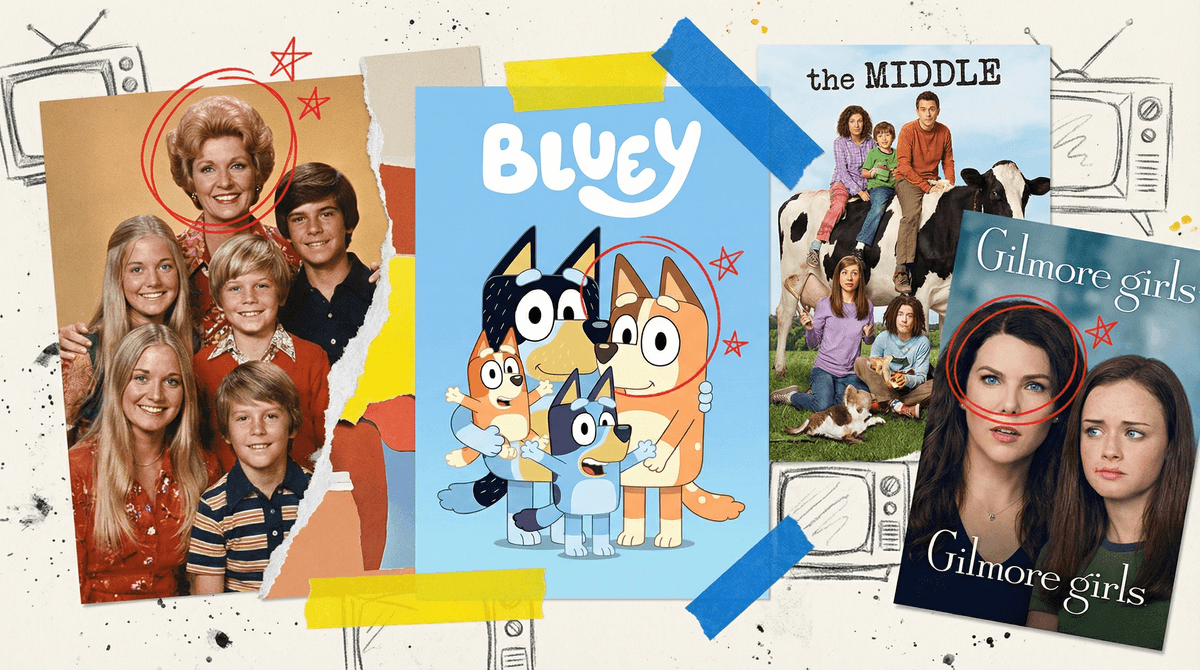
We actually look at how this archetype evolved in our guide to TV Moms Ranked: From 'Perfect' Stereotypes to Relatable Reality. Seeing June alongside Barbara Billingsley’s performance helps kids understand that what they see on screen is a performance of family life, not a documentary of how people actually lived in 1957.
The Ward Cleaver Method
The one part of the show that actually holds up is Ward Cleaver’s approach to discipline. Unlike the "bumbling dad" trope that took over sitcoms in the 90s and 2000s, Ward is consistently thoughtful. He doesn't just yell; he explains the why behind the rules.
If your kid can stomach the glacial pacing, there is a weirdly effective modeling happening here. When Beaver messes up—and he always messes up out of curiosity rather than malice—the resolution is usually a calm conversation in the den. It’s a masterclass in "gentle parenting" before that was a buzzword, even if it’s delivered in a suit and tie.
Better Alternatives for the Same Vibe
If you want the "wholesome family learning lessons" feel without the 1950s baggage, you have better options:
- Bluey covers the same ground of "boring" childhood moments (like waiting for takeout) but makes them feel like an epic adventure.
- The Wonder Years (the original or the 2021 reboot) provides the nostalgia and the "father-son" wisdom but adds the internal monologue and historical weight that Beaver lacks.
Unless you are specifically trying to explain the history of the American sitcom, skip the Mayfield suburbs. The "Beaver" is a classic, but some classics are meant to stay on the shelf.