The Astral Express Vibe
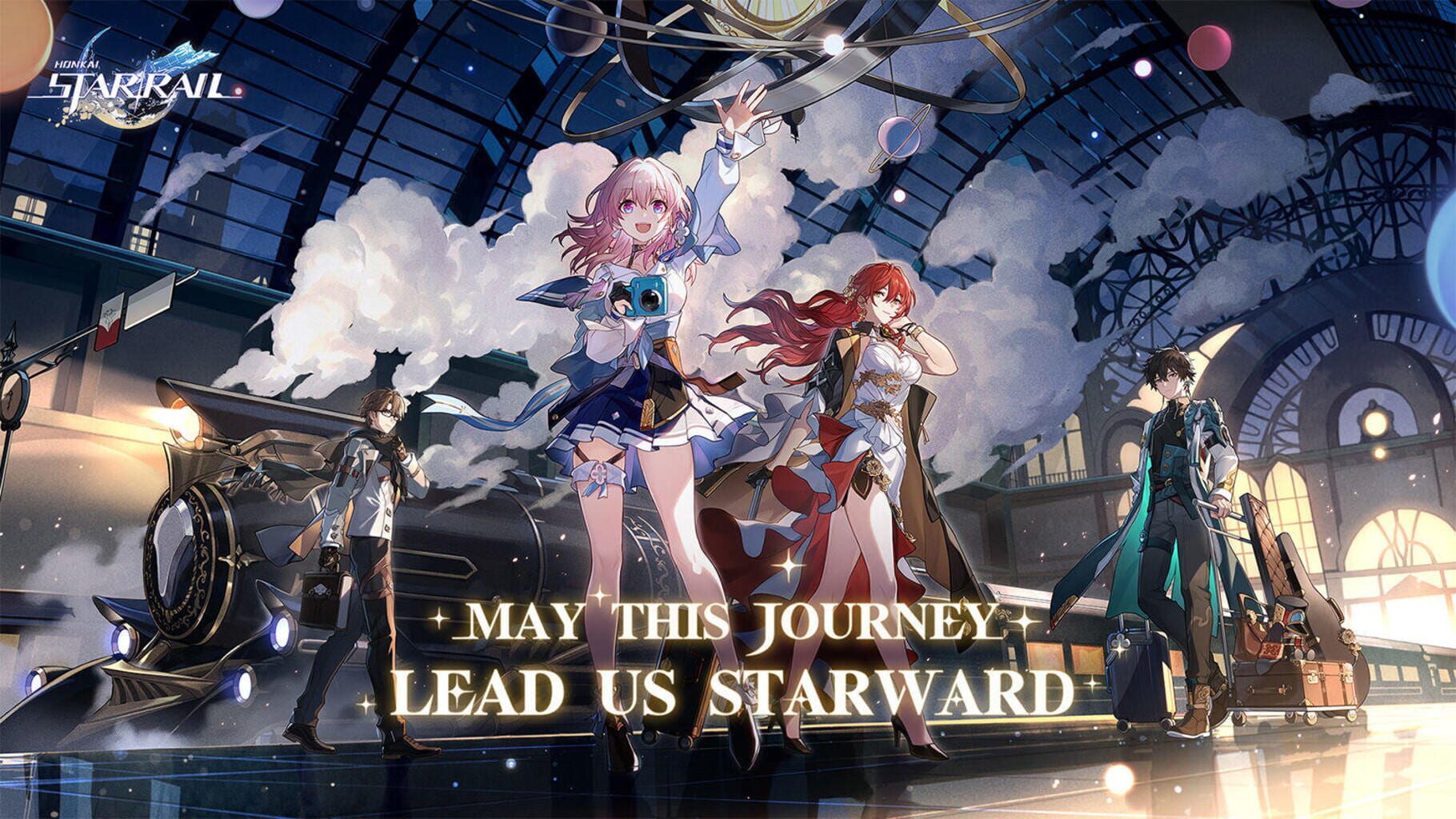
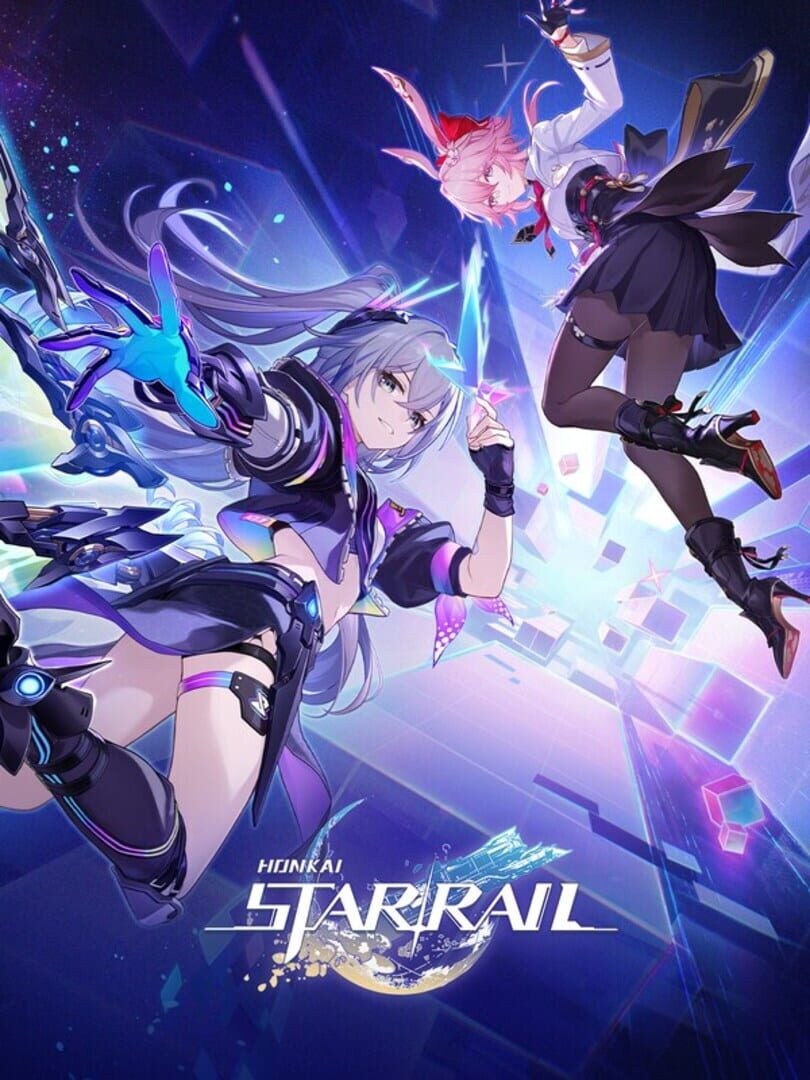
If you’ve spent any time looking over your kid’s shoulder while they play Honkai: Star Rail, you probably noticed it looks less like a mobile app and more like a high-budget sci-fi movie. This isn't some low-effort time-waster. HoYoverse has poured an absurd amount of money into the production value—the voice cast is top-tier, the orchestral score is genuinely moving, and the "space station" aesthetic is sleek.
Unlike its older sibling, Genshin Impact, which is all about running around a massive open world, Star Rail is a turn-based RPG. Think of it as a digital chess match with flashy animations. It’s slower, more deliberate, and far better suited for a phone screen because you aren't fumbling with touch-screen joysticks to dodge an enemy's sword. Your kid can put the phone down mid-battle to eat dinner without missing a beat.
The Gambling in the Room
We need to address the elephant in the Astral Express: the monetization. The technical data might claim there are no loot boxes, but that is a massive understatement. This game is a gacha title through and through. In Star Rail, you don't just "buy" the cool dragon-man or the lady with the giant sword; you "pull" for them using premium currency.
It functions exactly like a digital slot machine, and the game is very good at making your kid feel like they’re just one lucky click away from a game-changing character. If your kid is prone to "collector anxiety" or gets obsessed with having the newest thing, you need to have a serious talk about the psychology of gacha games. The "pity system"—where the game guarantees a win after a certain number of losses—is particularly effective at keeping players hooked because it makes them feel like they’ve "invested" too much to stop now.
Why it Beats the Competition
Despite the gambling hooks, Star Rail is arguably the most "respectful" of the big anime RPGs when it comes to a player's time. There is no "stamina" system that prevents you from playing the main story, and the daily tasks take about five minutes. It’s the perfect "side game."
The writing is also surprisingly sharp. It’s full of meta-humor, references to internet culture, and some genuinely heavy philosophical questions about whether a perfect dream is better than a miserable reality. If your kid liked the persona-driven storytelling of Persona 5 or the world-building of Star Trek, they’ll find a lot to love here.
The "Parental Friction" Points
You’ll likely hear your kid talking about "banners." These are limited-time events where a specific character is available for a few weeks. This is where the FOMO (fear of missing out) peaks. When a banner is about to end, that’s when the pressure to spend real money hits its limit.
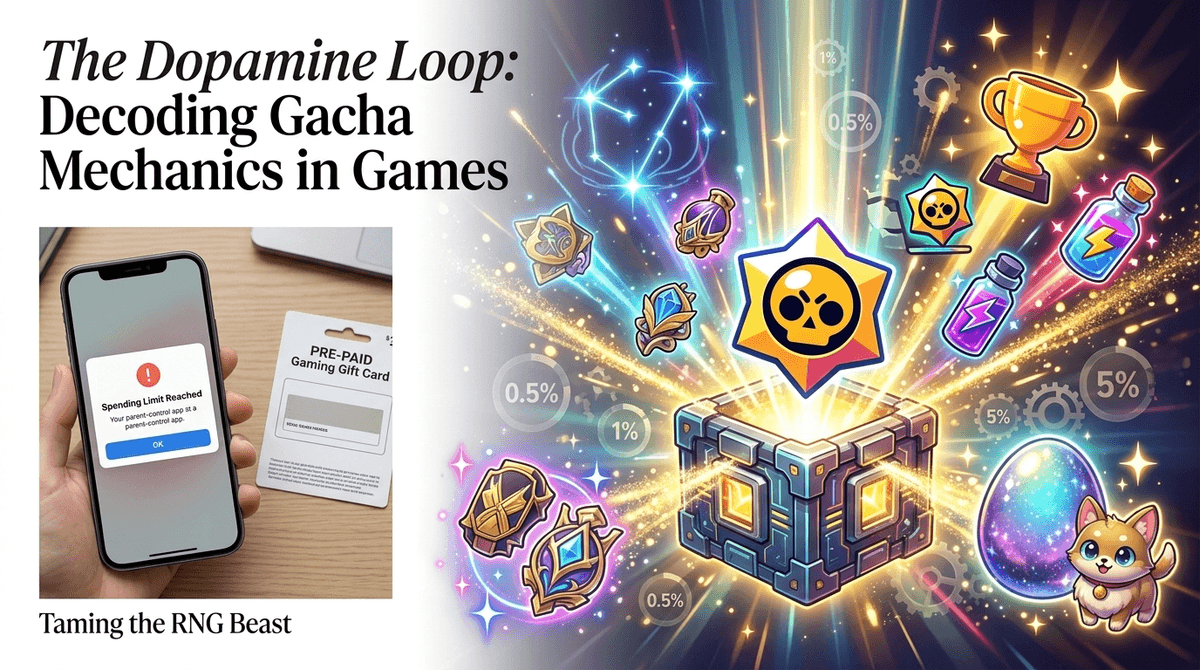
Before you let them dive in, it’s worth teaching them about loot boxes and gacha mechanics so they can spot the "near-miss" psychological tricks the game uses. If they can treat the gambling as a background noise and focus on the excellent strategy and story, they’re getting a console-quality experience for zero dollars. If they can’t, this game will be a constant source of "just five more dollars" requests.