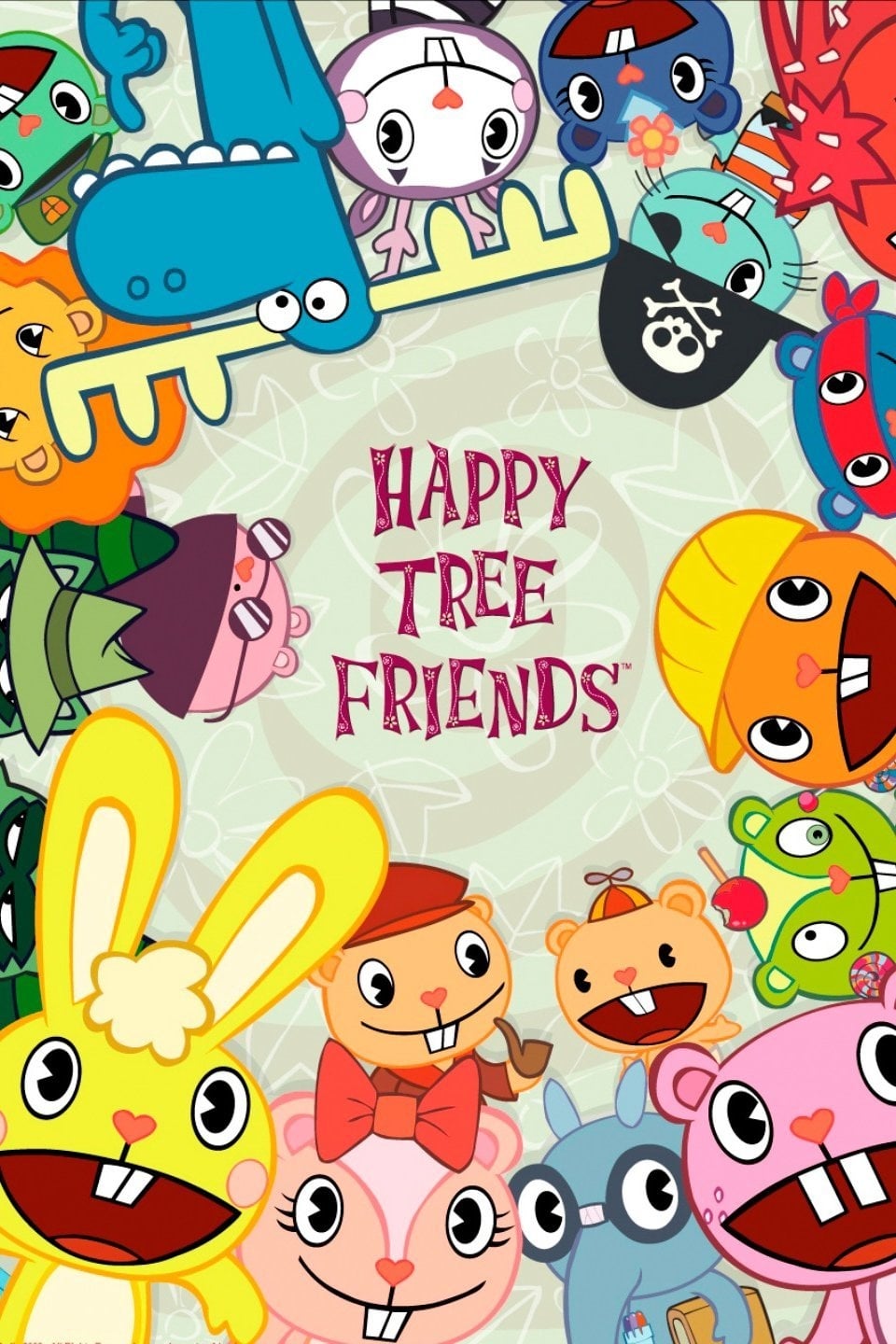
A Relic of the "Shock Site" Era
To understand why Happy Tree Friends exists, you have to remember the internet in 1999. This was the era of the wild west web, where "viral" meant someone emailed you a link to a video that was designed to make you jump out of your seat or gag. This show was the king of that mountain. It wasn't created to tell stories or build a world; it was created to be a prank you played on your friends. You’d tell someone, "Check out this cute cartoon," and then watch their face as a pink bunny got its face peeled off by a ceiling fan.
It’s a piece of internet history, but that doesn't mean it has aged into a classic. It’s a very specific type of mean-spirited humor that relies entirely on the gap between the sugary-sweet visuals and the industrial-grade gore. If you remove the shock, there isn't much left but some high-pitched giggling and a lot of squelching sound effects.
The "Itchy & Scratchy" Fallacy
If your teenager has seen The Simpsons, they’ve seen The Itchy & Scratchy Show. They might think they’ve already handled the peak of cartoon violence. They are wrong.
While Itchy & Scratchy is a parody of the slapstick violence found in old Tom and Jerry shorts, Happy Tree Friends is something different. It’s more like a "Final Destination" movie condensed into three minutes and populated by Care Bears. The violence isn't just a mallet to the head; it’s a detailed, frame-by-frame look at a character getting their nervous system pulled out through their ear.
The show finds its "comedy" in the most agonizing, slow-motion ways to die. It turns mundane objects—a lollipop, a tricycle, a bucket of water—into instruments of torture. For some, that subversion is a hilarious middle finger to the "safety first" culture of children's programming. For everyone else, it’s just exhausting.
Why the "Mute" Button Doesn't Help
One of the most distinct things about this show is the total lack of dialogue. The characters speak in a high-pitched, gibberish squeak that mimics the "baby talk" of shows for toddlers. This makes the show globally accessible, but it also makes the sound design much more visceral.
Because you aren't listening to jokes or plot points, your ears are dialed into the foley work. The creators put an unsettling amount of effort into the sounds of bones snapping, flesh tearing, and characters gurgling on their own blood. Even if you aren't looking at the screen, the audio alone is enough to tell the story of a catastrophe.
The Streaming Trap
The weirdest thing about Happy Tree Friends in 2026 is where it lives. Seeing it on platforms like Hoopla or Crunchyroll feels like finding a sawed-off shotgun in a toy chest. Because it looks like a preschool show and lacks a "Mature" rating in the way a live-action slasher movie would, it can easily slip through the cracks of a casual browsing session.
If you have a kid who is into "indie" animation or "creepy" internet lore, they will eventually stumble onto this. It’s the ultimate "toughness" test for middle schoolers. But unlike other dark comedies that have a point to make or a story to tell, this show is just a meat-grinder. Once you’ve seen one episode, you’ve essentially seen them all. The only thing that changes is the specific way the cute animal meets its end.