Why the audience-critic gap matters
If you look at the numbers, there is a massive split between the people paid to review movies and the people who actually watch them. With a critic score hovering in the low 50s but an audience rating in the mid-80s, Girl, Interrupted is the definition of a cult classic. Critics in 1999 often found the narrative structure a bit loose or the tone inconsistent. They missed the point. For the people who love this movie, the lack of a tidy, clinical plot is exactly why it works. It captures the rambling, often aimless feeling of being young and stuck in a place you do not want to be.
The aesthetic trap vs. the reality
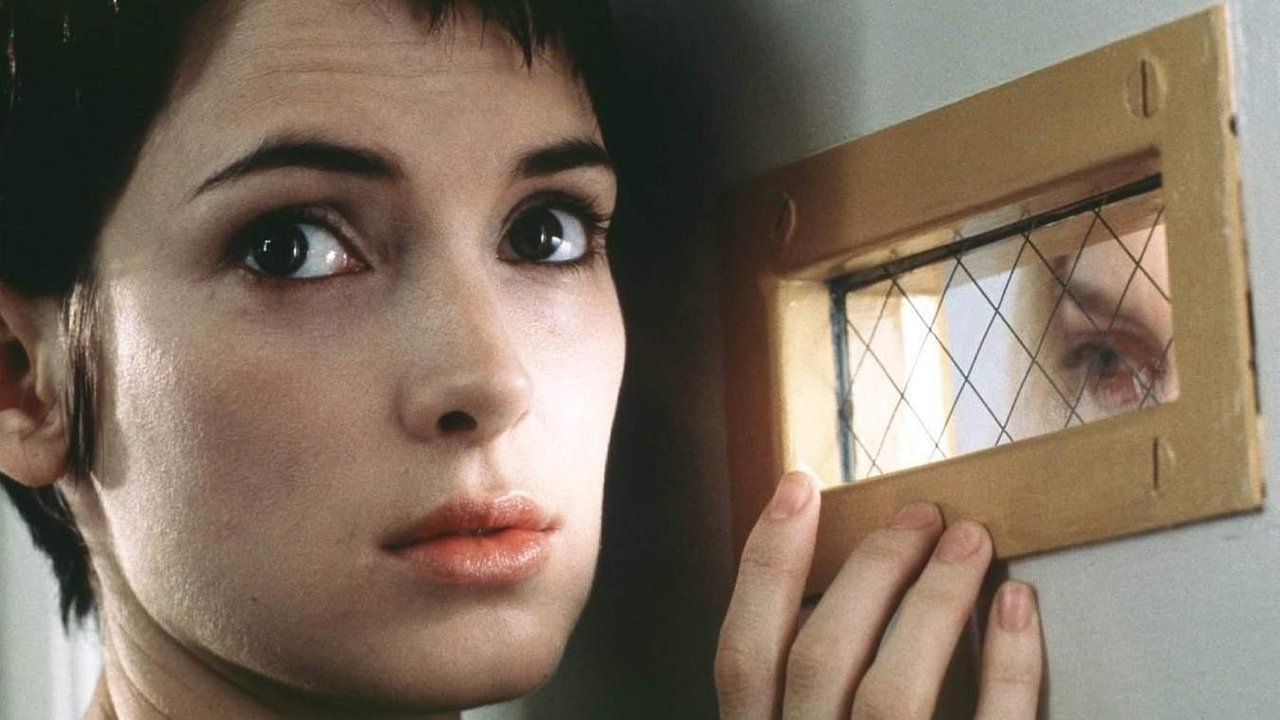
You’ve probably seen clips of this movie on social media without even realizing it. It has become a visual shorthand for a specific kind of 1960s "cool." But if your teen is coming to this because they saw a filtered edit on TikTok, they might be surprised by how uncomfortable the actual viewing experience is. This isn't just a movie about wearing turtlenecks and looking moody in a hospital hallway. It’s a story about the ugly parts of mental health—the manipulation, the hygiene, the boredom, and the genuine fear of never getting out.
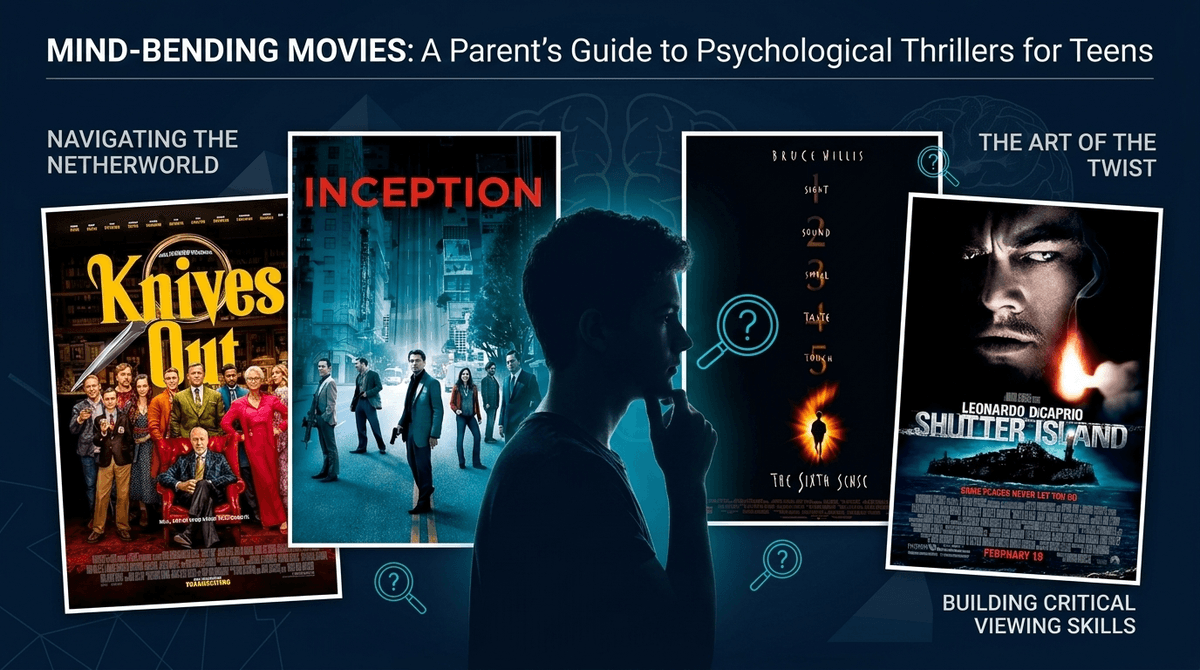
It fits into a broader interest in psychological thrillers for teens because it plays with the idea of the "unreliable narrator." You spend the whole movie wondering if the protagonist is actually sick or if she's just a victim of a society that didn't know what to do with a woman who didn't want to get married and have kids.
If they liked Euphoria or The Bell Jar
This movie is the bridge between classic 20th-century literature and the high-intensity teen dramas of today. If your kid is reading Sylvia Plath in school or watching modern shows about "messy" young women, this is the essential companion piece. It treats the internal lives of women with a level of seriousness that was rare in the late 90s.
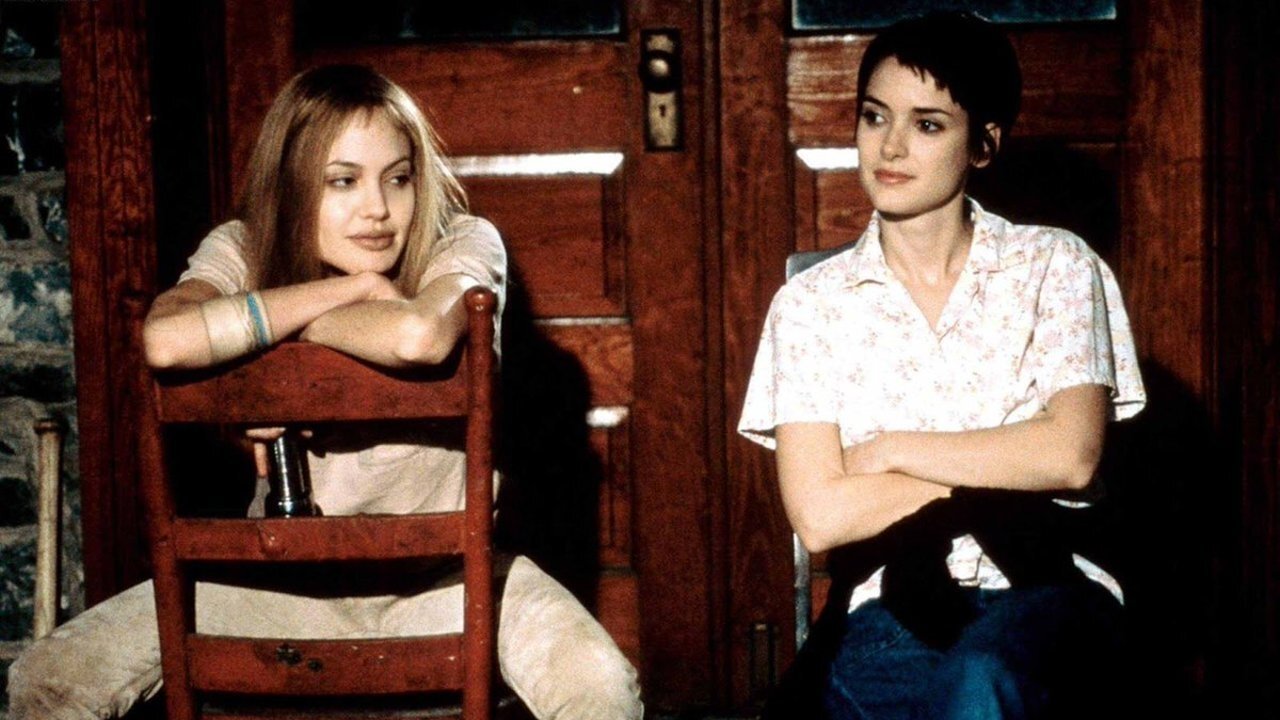
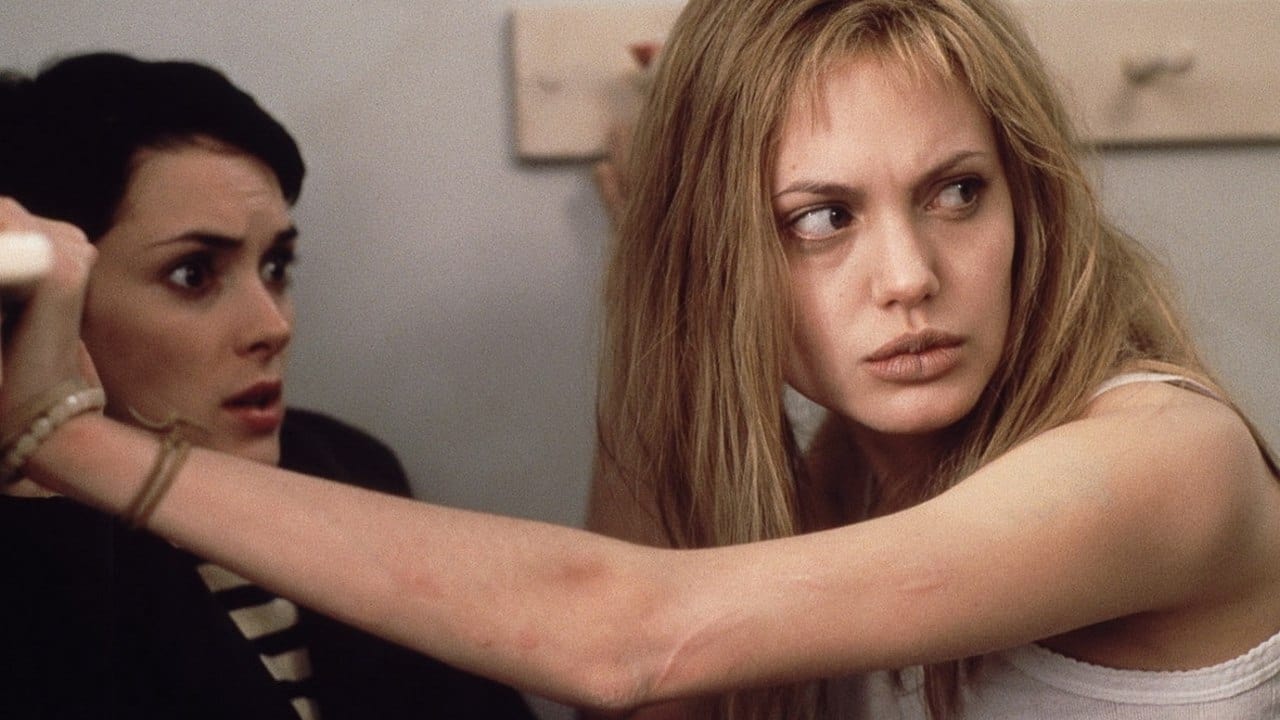
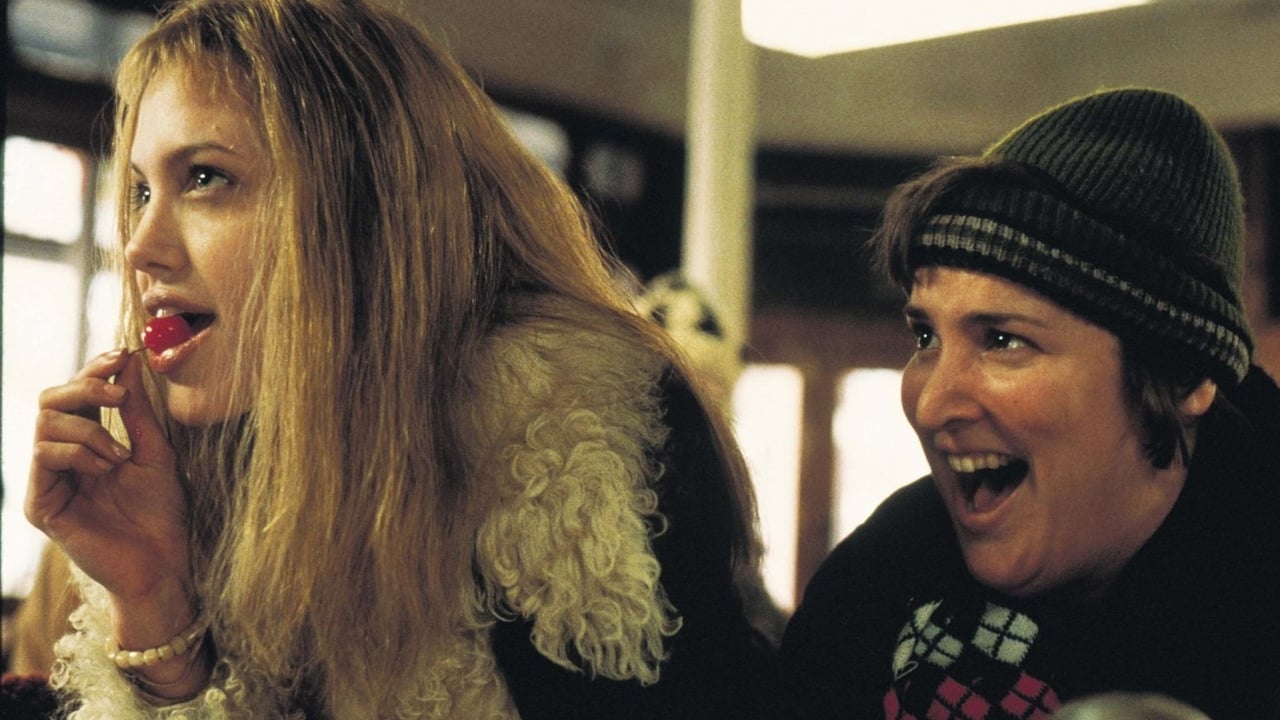
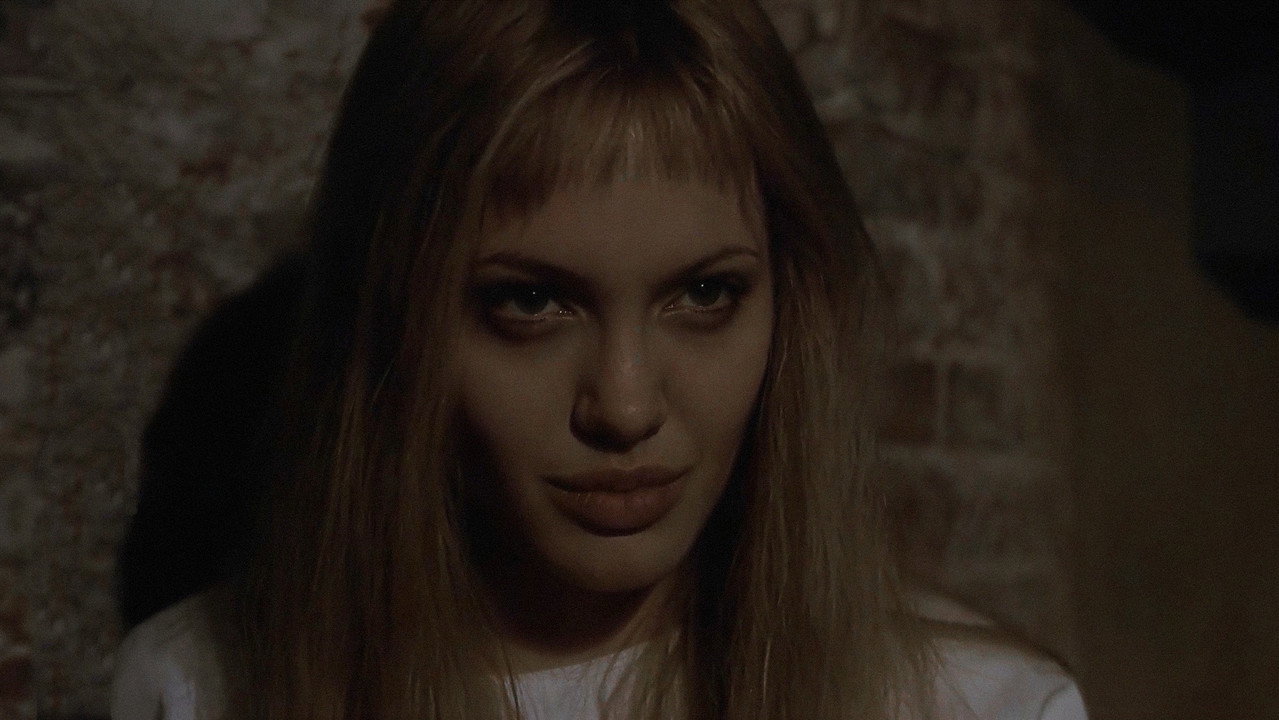
The friction comes from the secondary characters. While the lead provides the perspective, the supporting cast brings the danger. There is a specific kind of charisma in the "troubled" characters that can be magnetic to a teen viewer. It's worth talking about how someone can be both a friend and a destructive force at the same time. The movie doesn't give you an easy answer on whether these friendships are "good" or "bad." They just are.
Navigating the 1990s grit
The movie carries a specific "indie" energy from the turn of the millennium. It’s grittier than a modern Netflix original. It doesn't use the clinical, careful language we use for mental health today. Characters are blunt, often using outdated terms that will likely spark a "we don't say that anymore" reaction from a modern teen. Use that. It’s a perfect window into how much the conversation around wellness has shifted in thirty years.