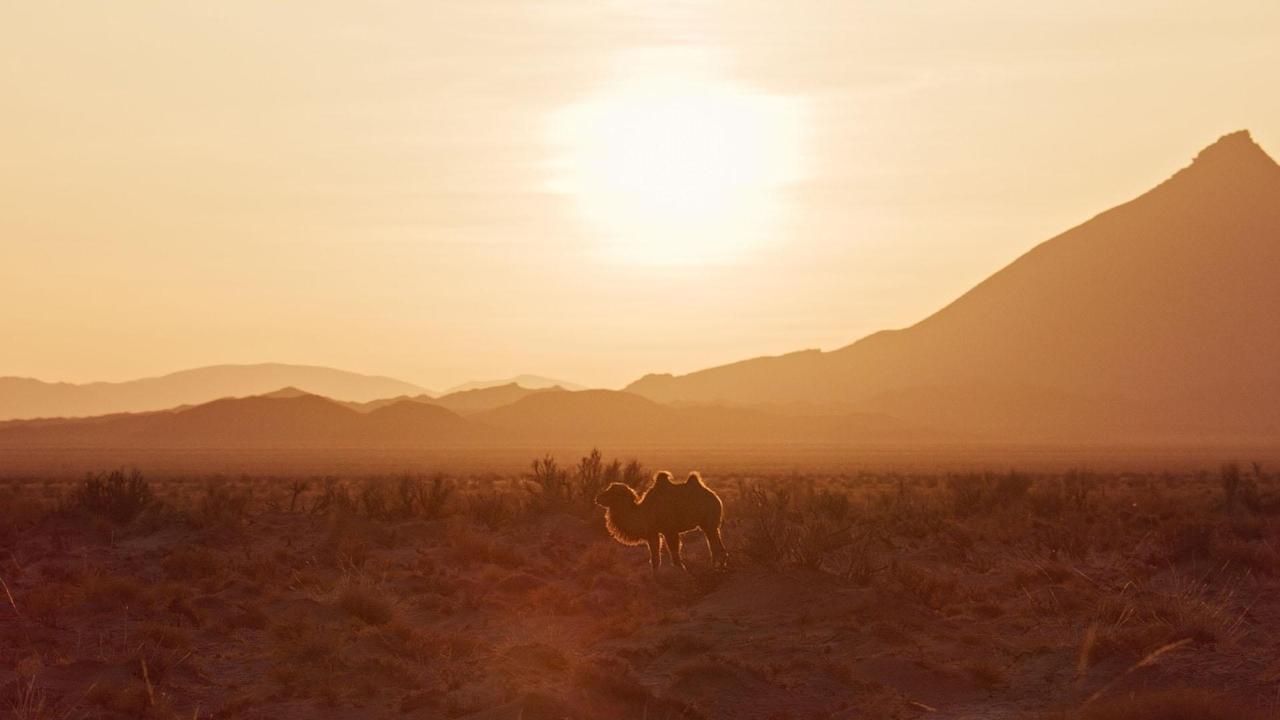
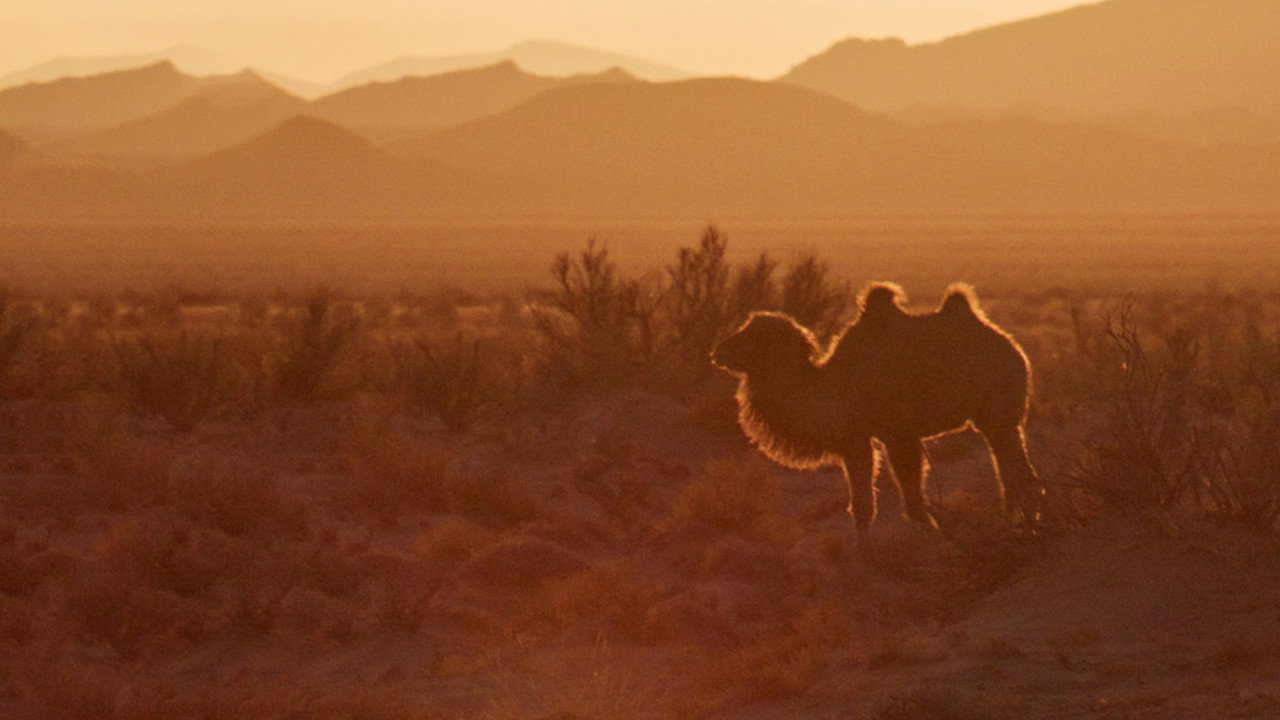
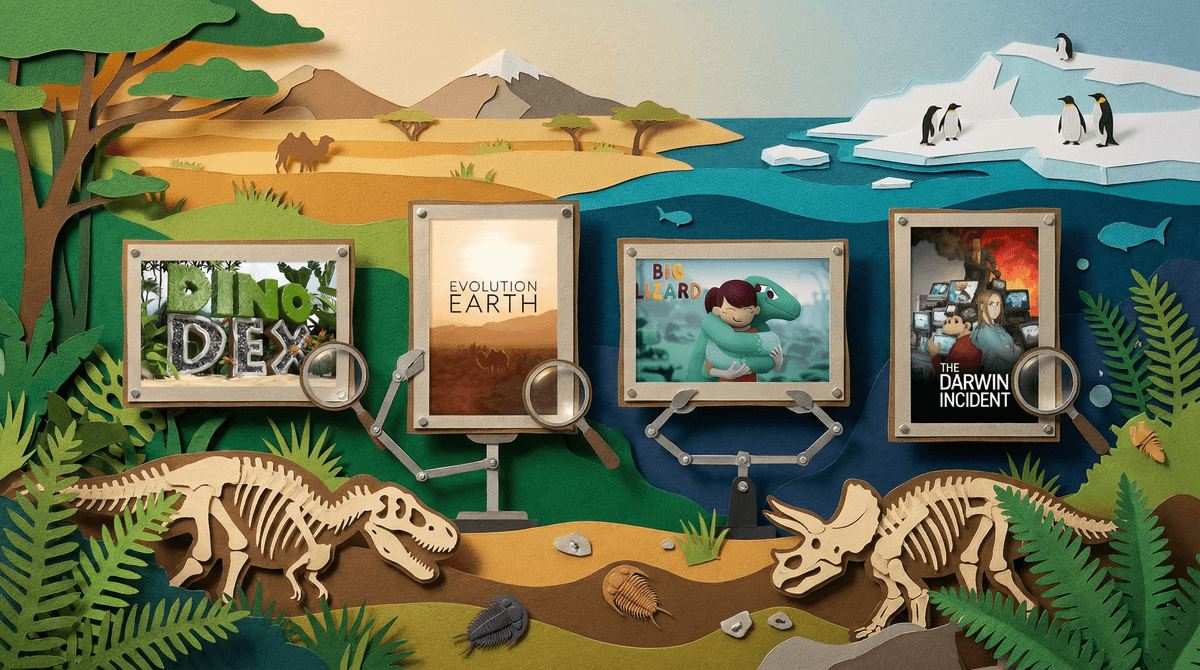
Nature documentaries usually fall into two camps: the "isn't this pretty" variety and the "we’ve ruined everything" variety. Evolution Earth manages to find a third way that is much more useful for a Sunday afternoon with a ten-year-old. It focuses on resilience. Instead of just cataloging what we’re losing, it looks at how wildlife is rewriting its own rulebook in real time.
The "After Wild Kratts" transition
If your household has finally moved past the era of animated creature powers, you’re likely looking for something that feels "grown-up" without being soul-crushing. This is that bridge. While a lot of big-budget nature docs rely on the "theatrical" experience—think sweeping orchestral swells and life-or-death chases that feel like an action movie—this PBS series feels more like a detective story.
It treats the audience like they can handle actual science. It’s a great companion to our look at the best shows for 9-year-olds about evolution made in the past year because it moves away from the "dinosaurs and fossils" trope. It shows that evolution isn't just something that happened millions of years ago; it’s a living, breathing survival strategy happening on our watch.
Pacing and the "YouTube brain"
Let’s be honest about the friction: this is PBS. The pacing is deliberate. If your kid is used to the frantic, high-decibel editing of modern YouTube creators, the first ten minutes might feel slow. There are no jump scares or manufactured cliffhangers here.
The payoff, however, is the "wait, really?" factor. The show excels at finding specific examples of animals changing their behavior or biology in ways that feel like science fiction. When you see a species adapt to an urban environment or a shifting climate in just a few generations, it changes the conversation from "the world is ending" to "nature is clever." It’s an empowering shift for kids who might be feeling a bit of climate anxiety.
How to watch it without the "lecture" feel
Because the show is broken down by habitat, you don't need to marathon the whole thing. It works best as a "one episode a week" treat rather than a binge.
The 7.4 IMDb rating is a fair reflection of what you're getting: it's solid, high-quality educational TV that doesn't try too hard to be cool. It’s not trying to compete with the 4K HDR spectacle of the biggest streaming giants, but it wins on substance. If you want your kid to actually understand the mechanics of how the world is changing rather than just seeing pretty pictures of it, this is the right play. It’s the kind of show that actually gives you something to talk about at dinner besides "the cinematography was nice."