The "casual cruelty" factor
The most relatable thing about English Vinglish isn't the quest to learn a new language—it’s the way the protagonist’s family treats her like a piece of furniture. If you have a middle schooler who has started testing the waters of "teen sass," this movie is a mirror. The daughter’s embarrassment over her mother’s lack of English isn't some mustache-twirling villainy; it’s that specific, stinging brand of adolescent insecurity that makes kids act like jerks to the people who love them most.
Watching this together is a stealthy way to talk about respect without giving a lecture. You aren't telling your kid to be nice; you’re letting them see how much it sucks to be on the receiving end of those "small slights" the synopsis mentions. It’s effective because the movie doesn't turn the family into monsters. They’re just oblivious, which is arguably worse.
A different kind of "leveling up"
Most movies about self-improvement involve a training montage and a trophy. Here, the "trophy" is just being able to order a coffee without a panic attack. For kids used to high-stakes superhero stakes, the tension in the New York cafe scene might feel understated, but for anyone who has ever felt out of place, it’s a thriller.
The movie treats the act of making laddoos (traditional Indian sweets) as a legitimate entrepreneurial skill. It’s a refreshing take on the "stay-at-home mom" trope. She isn't "just" a mom; she’s a craftswoman whose family has devalued her work because it doesn't come with a corporate paycheck or a fluent English pitch.
The "trope" trap
While critics and audiences love this film—boasting an 83% on Rotten Tomatoes—it isn't perfect. If you’re watching with older teens, keep an eye on the supporting cast in the English language school. The movie leans into some stereotypes for the other international students (the "funny" Frenchman, the "quiet" East Asian student). One review we flagged specifically calls out that the portrayal of minorities is problematic.
It’s a great opportunity to ask your kids if they think those characters feel like real people or just caricatures used to make the lead look better. It doesn't ruin the movie, but it’s the kind of "2012-era" writing that stands out more in 2026.
Why it’s the perfect "gateway" film
If your family is new to Indian cinema, this is a top-tier entry point. It skips the three-hour runtime and the heavy melodrama that people sometimes associate with older Bollywood. It’s tight, focused, and feels universal.
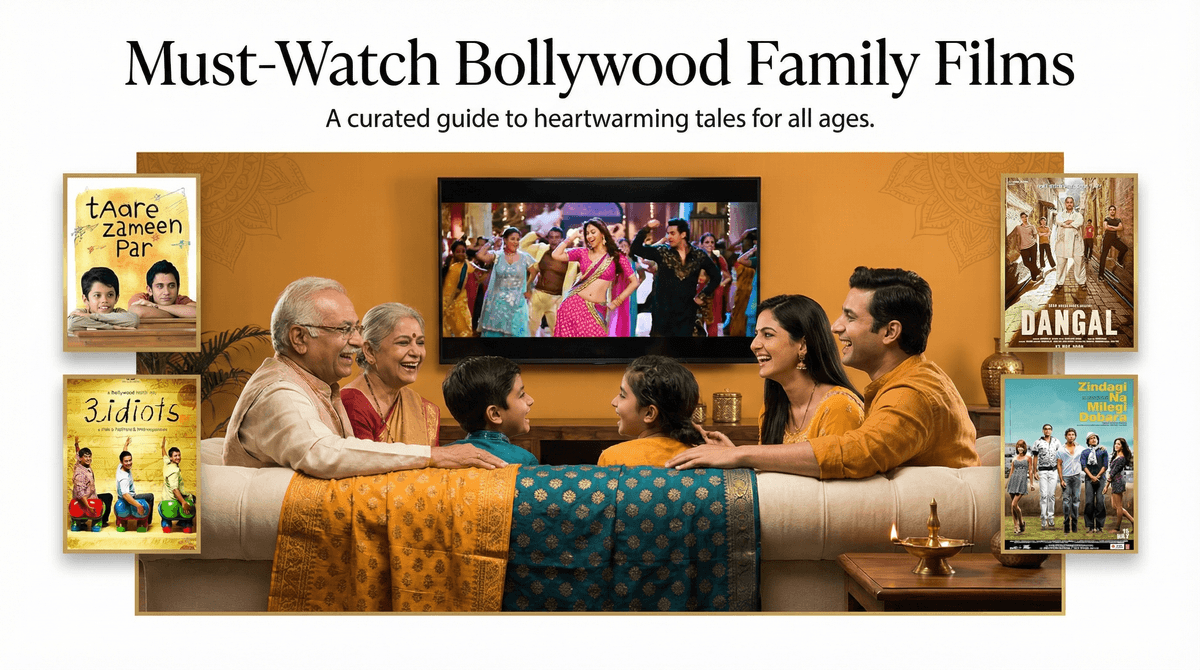
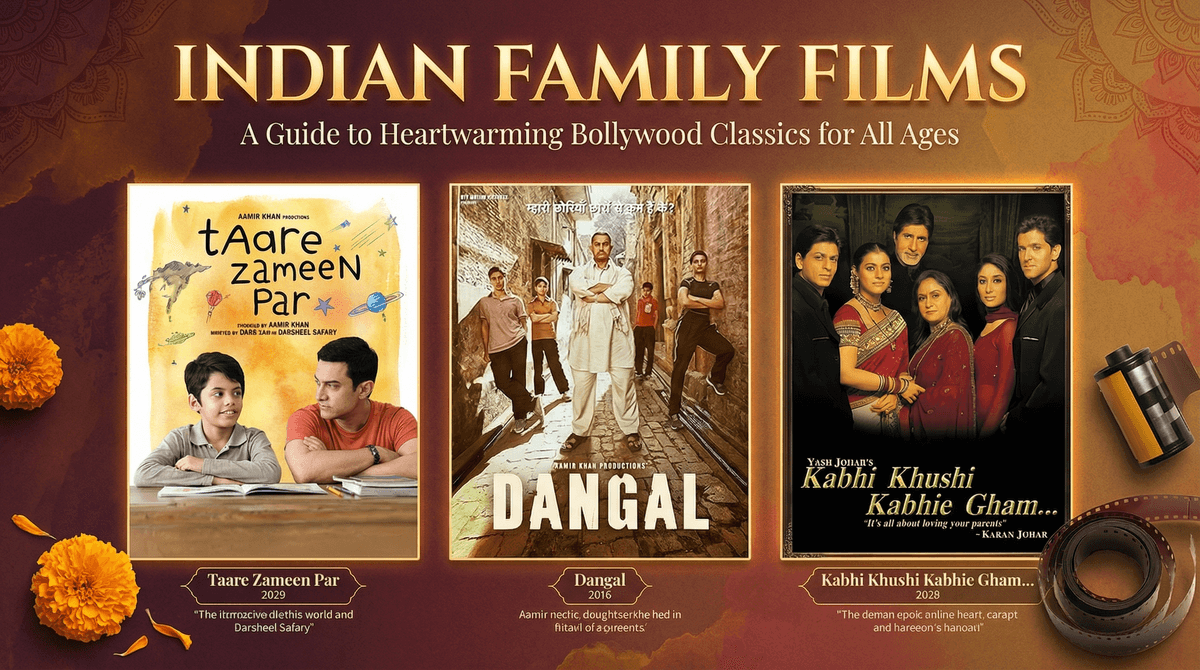
If this lands well with your crew, you should check out our list of the must-watch Bollywood family films to see where to go next. It fits right in with the top Bollywood picks for kids because it prioritizes character growth over flashy dance numbers.
Don't expect a comedy in the traditional sense. You won't be falling off the couch laughing. You’ll be doing that quiet, "I'm not crying, you're crying" sniffle during the final speech. It’s a wholesome win for a Sunday night.