Minecraft with a PhD
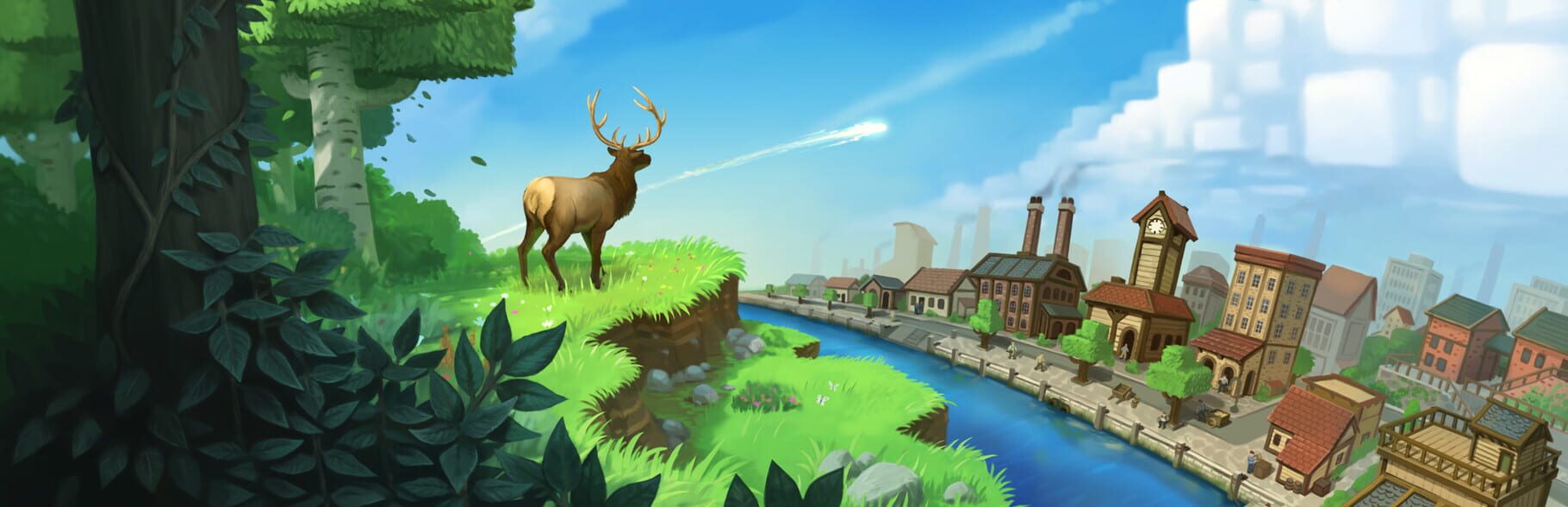
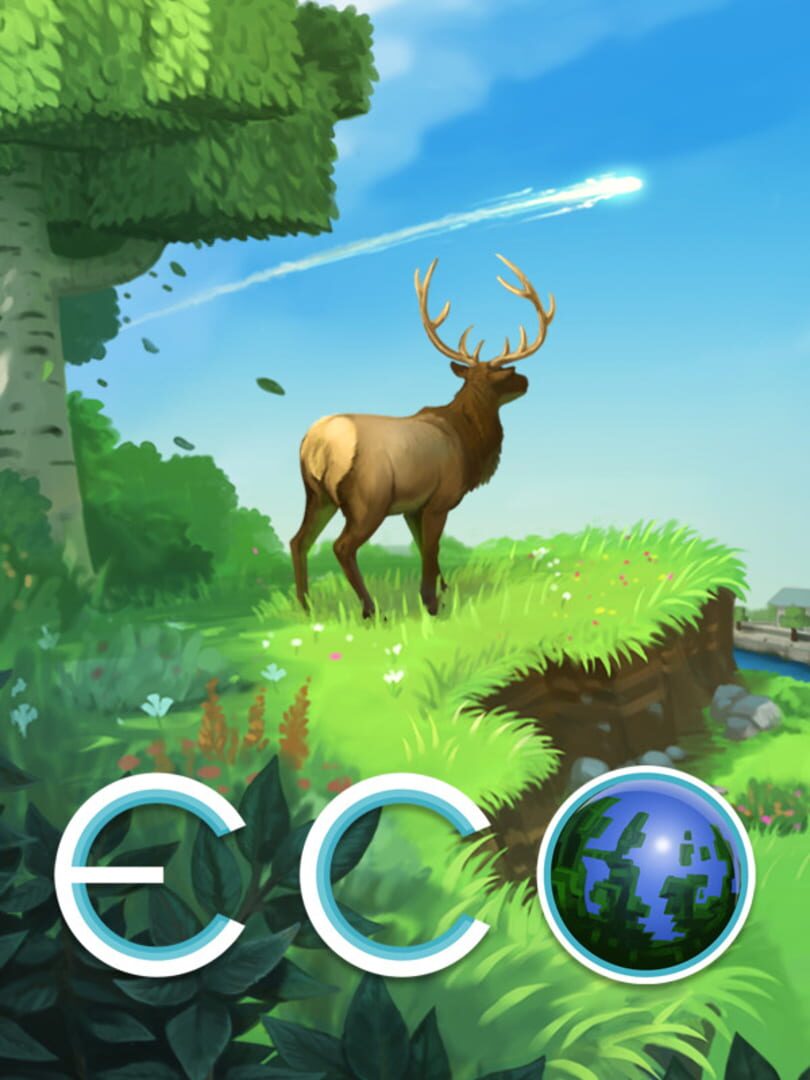
If your kid has spent the last five years strip-mining Minecraft worlds without a second thought for the local flora, Eco is the reality check they didn't know they needed. It’s a survival sim where the "boss" isn't a dragon—it's a massive meteor hurtling toward the planet. But here is the kicker: you can easily destroy the world yourself long before the meteor arrives.
Strange Loop Games built a simulation so granular that every action has a measurable reaction. Cut down too many trees near a river and you’ll see the soil erode. Build a coal-powered forge without thinking about CO2 and you’ll literally melt the ice caps, flooding the low-lying coastal bases of other players. It is the ultimate expression of environmental games for kids because it doesn't just tell you that pollution is bad; it shows you the data on a graph while your house sinks into the ocean.
The social experiment
The most compelling part of Eco isn't the building—it’s the politics. Because no single player can master every skill (like farming, smelting, and engineering) before the meteor hits, you are forced to trade. This isn't just "I'll give you three wood for two stone." It’s a full-blown economy with player-created currencies, shops, and—most importantly—laws.
Players can propose and vote on actual legislation. You can pass a law that taxes high-polluting buildings or creates a "protected forest" where the game physically prevents anyone from swinging an axe. This turns a standard gaming session into a crash course in gaming as a learning tool beyond the obvious, teaching negotiation and civic responsibility better than any textbook. If your kid is the type who likes to lead the group or obsess over the "why" behind rules, they will find the governance system addictive.
Pushing through the friction
Let's be real: the first hour of Eco is a slog. The tutorial is famously thin, and the interface looks like a spreadsheet had a baby with a 2010-era survival game. With an IGDB score of 86.8, critics clearly love the depth, but that depth comes with a steep tax on your patience.
If you're setting this up for a younger teen, expect to sit with them for the first session. You’ll be Googling how to set up a campfire or why their stomach is "full" but they have no energy. Once you clear that hurdle and join a populated server, the game opens up. The "usersInteract" feature is the heart of the experience. While there’s no built-in voice chat to worry about, the text-based coordination is constant. It’s a game of logistics, and for the right kind of kid, that’s where the fun lives.
Why it stays relevant
Even years after its 2018 debut, Eco feels like the most honest version of a "green" game. It avoids the preachy, "save the whales" energy of educational software from the 90s. Instead, it treats the environment like a complex machine. If you want the high-tech lasers to blast the meteor, you need the industry. If you have the industry, you have the waste. Solving that paradox is the whole game. It’s smart, it’s frustrating, and when your community finally stops that meteor without killing the planet, it’s one of the most rewarding wins in gaming.