The Eighth-Grade Ego Meets a Real Crisis
Writing from the perspective of a middle-school boy is a high-risk move. Usually, authors lean too hard into "gross-out" humor or make the kid sound like a thirty-year-old philosopher. Jordan Sonnenblick finds the sweet spot with Steven. He is authentically self-absorbed, which is exactly what makes the story work. When his younger brother Jeffrey is diagnosed with leukemia, Steven’s first instinct isn’t always noble. He’s worried about his drum solo, his grades, and a girl who doesn't know he exists.
That honesty is what keeps this from feeling like a "lesson" book. It’s a story about the guilt of wanting your own life to stay normal while someone else’s life is falling apart. If your kid is the type who rolls their eyes at overly earnest "issue" books, they’ll likely stick with this one because Steven is actually funny. He uses sarcasm as a shield, and the book respects that as a valid way to survive a crisis.
The "Dangerous Pie" Logic
The title comes from a disgusting concoction Jeffrey makes—a mixture of Coke, uncooked oatmeal, and toy trucks. It’s a joke, but it’s also the emotional anchor of the book. In many stories about illness, the "sick kid" becomes a prop to make the protagonist look better. Here, the relationship between the brothers is the engine.
Jeffrey isn't just a patient; he’s an annoying, cute, messy little brother who ruins Steven’s drumsticks. The "Dangerous Pie" represents the chaos that cancer drops into a kitchen. It’s messy, it’s nonsensical, and you have to deal with it even if it makes you want to gag. For a reader, seeing Steven move from being genuinely irritated by Jeffrey to being his fiercest protector is a heavy transition, but it’s earned through small, specific moments rather than big, dramatic speeches.
Navigating the Family Fracture
While the brothers are the focus, the depiction of the parents is quietly devastating. We see the father retreat into silence and bills while the mother becomes a full-time medical advocate. This isn't a "perfect" family facing a trial; it’s a realistic family that is fraying.
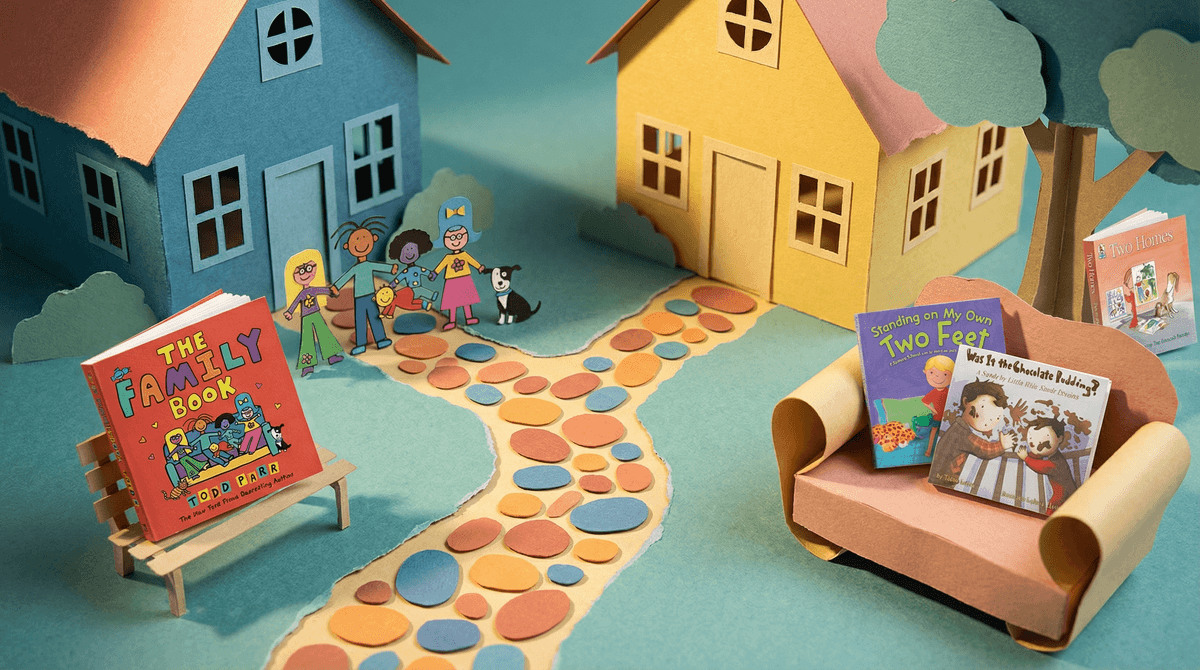
If you’ve looked into books about divorce for kids to help a child process a changing home life, you know the value of a story that mirrors their internal chaos. Even though the parents in this book stay together, the emotional beats are similar. The routine is gone, the "safe" adults are suddenly fragile, and the child has to figure out how to be a person when the domestic structure is leaning. It’s an enriching read because it validates the feeling that it’s okay to be angry when life gets unfair.
Why the Music Matters
Steven is a drummer, and the jazz band sub-plot isn't just filler. It provides a rhythmic counterpoint to the hospital visits. Music is Steven’s agency. In the world of oncology, he has no power. In the drum booth, he has total control.
This is a great "hook" for kids who have a specific passion—whether it’s sports, art, or gaming. It shows how those hobbies stop being "extra" and start being essential survival tools when things get dark. The book argues that you don't have to stop being yourself just because a tragedy is happening; in fact, you probably need your "thing" more than ever.
If your kid finished a high-stakes series and wants something that feels "real" but still has a propulsive plot, this is the move. It’s a masterclass in balancing the heavy with the hilarious. Just keep a box of tissues nearby, because when the humor finally drops away, the ending hits like a percussion solo to the chest.