The "Middle School" Identity Crisis
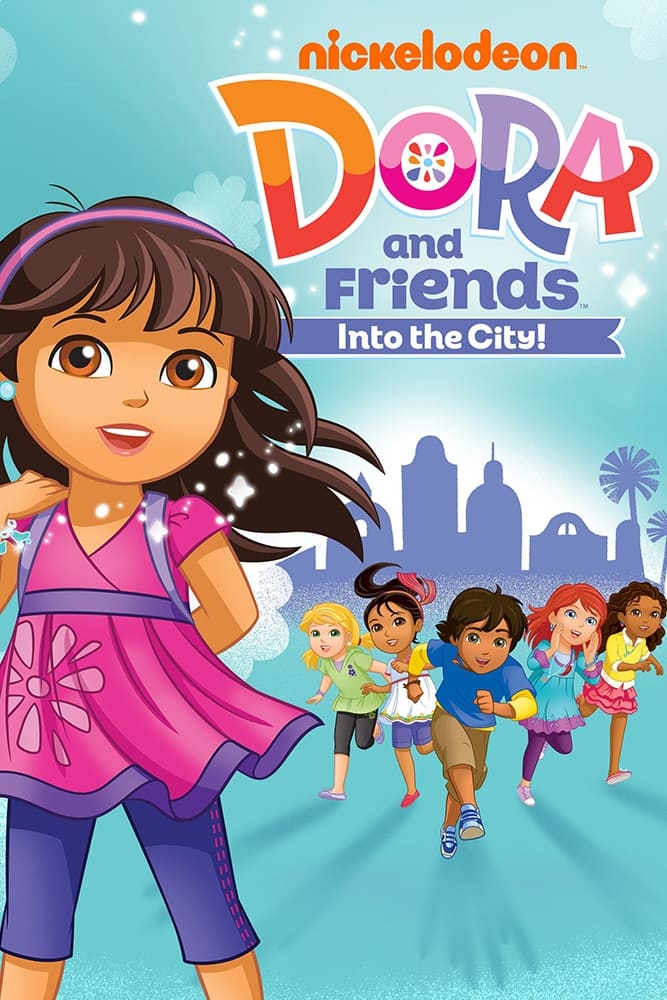
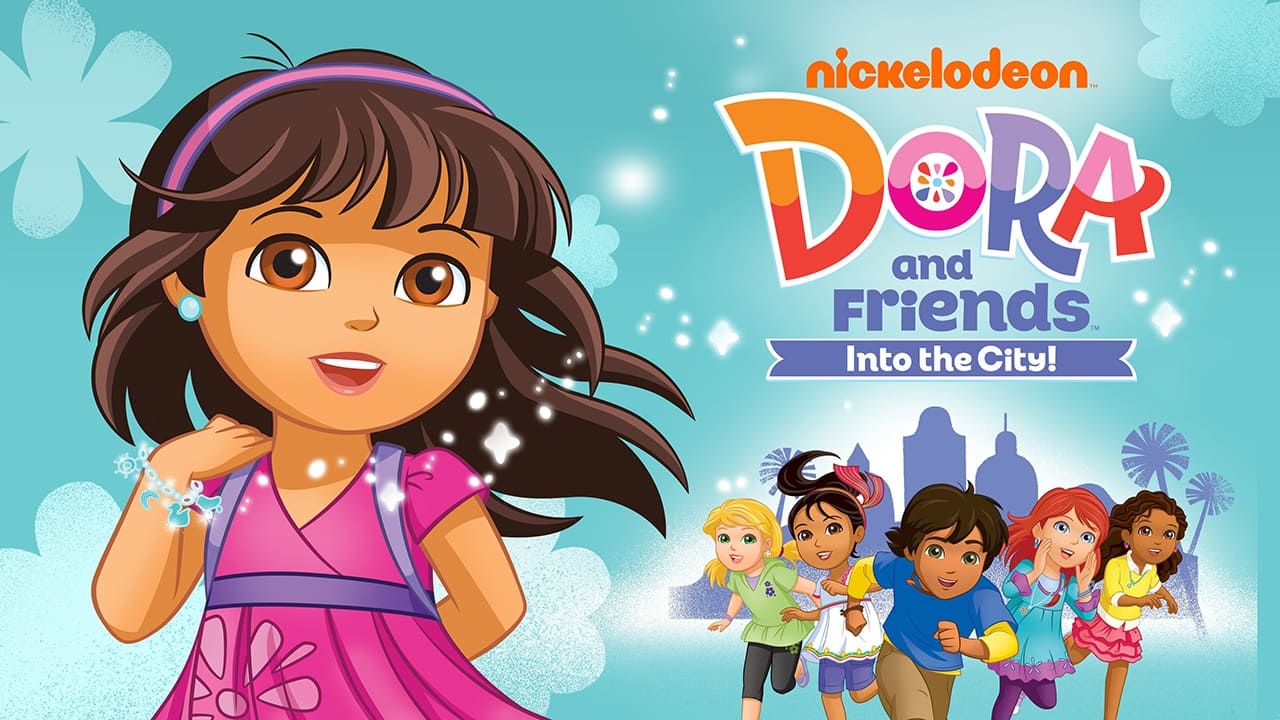
The biggest hurdle for Dora and Friends: Into the City! is that it doesn't quite know who it’s for. It ages Dora up to around 10 years old, gives her a stylish wardrobe, and moves her to the city of Playa Verde. But while the character looks like she’s ready for a Disney Channel sitcom, the writing and pacing are still firmly stuck in preschool territory.
This creates a strange friction. Older kids who might relate to Dora’s new "big kid" look will find the plots—which often revolve around finding lost items or simple community favors—way too juvenile. Meanwhile, younger kids who loved the slow, repetitive, and highly interactive "Map and Backpack" rhythm of the original show might feel overwhelmed by the faster dialogue and the larger cast of human friends. It’s a transition that lacks the soul of the original jungle adventures.
Tech Upgrades and Trope Friends
In this version, Map has been demoted to a smartphone app and Backpack is gone, replaced by a magical charm bracelet. While the show tries to feel modern, these additions often feel like gimmicks designed for a toy aisle rather than meaningful story tools.
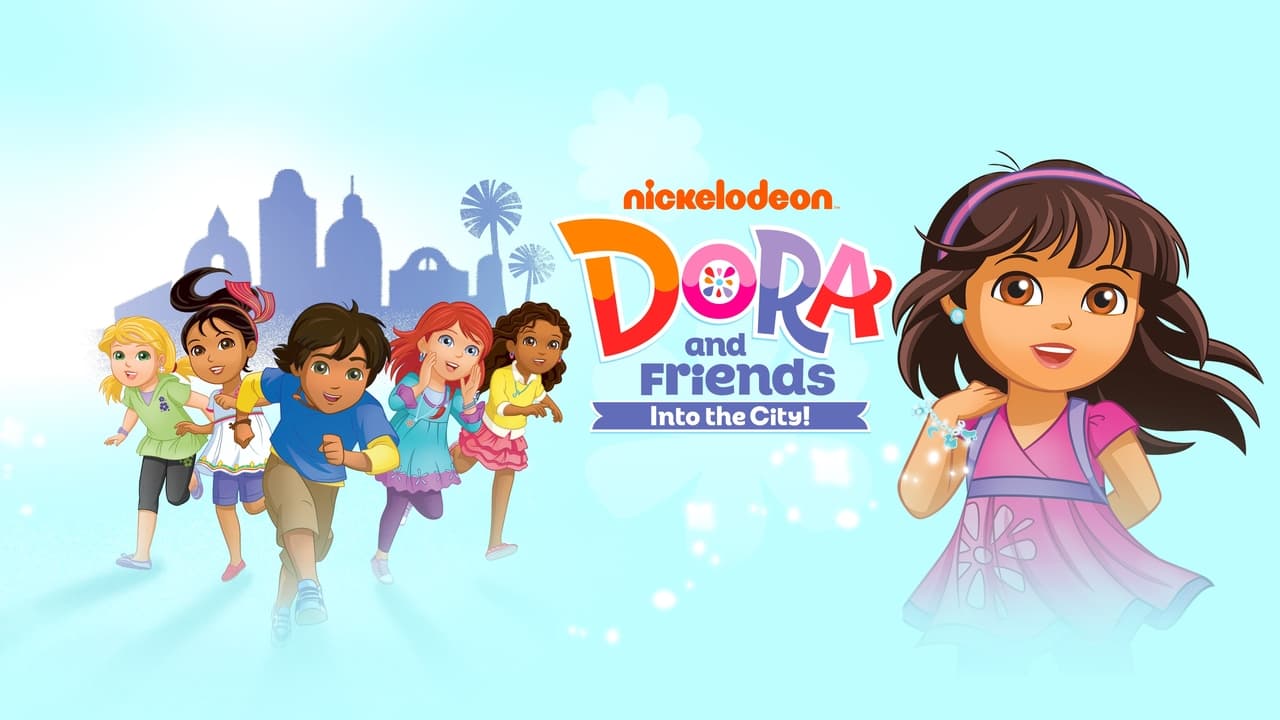
The new friend group follows a very specific 2010-era formula. You have the "musical one," the "sporty one," and the "smart one." Because the show splits its time between five different supporting characters plus Dora, nobody gets much depth. Pablo likes soccer, Alana likes animals, and that’s about the extent of their personalities. If your child is looking for a show where characters have real growth or distinct voices, they won't find it here. They’ll find a group of very nice, very polite kids who work together perfectly without any of the interesting conflict that makes a show like Arthur or Bluey actually watchable for parents.
Representation That Still Matters
Despite the lackluster writing, the show deserves some credit for its commitment to a multicultural cast. Seeing a group of Latin American kids leading their own urban adventures was a big deal in 2014 and remains a positive for families looking for diverse mirrors on screen.
Dora remains a strong, bilingual lead who uses her agency to improve her community. If you are specifically looking for animated shows with Latin American characters that emphasize Spanish language integration and civic pride, this show hits the mark. It’s just a shame the storytelling doesn't have the same ambition as the cultural representation.
The "Should You Watch It?" Test
If your household is currently in a "Dora phase" and you’ve exhausted every episode of the original series, this is a harmless next step. It’s incredibly safe—there’s no real peril, no "mean girl" tropes, and zero questionable humor.
However, if you’re looking for a show that will actually engage a 6 or 7-year-old, you’re better off looking elsewhere. The 3.8 IMDb rating isn't a reflection of "inappropriate" content; it's a reflection of boredom. Most kids in the target age range have already moved on to more sophisticated storytelling. Use this as background noise while you’re making dinner, but don't expect it to become your child’s new favorite obsession.